



The Invisible Culprit: Ethylene Gas
The reason your mixed fruit bowl is a race against time comes down to a naturally occurring, invisible, and odourless plant hormone called ethylene gas. As certain fruits ripen, they release this gas, which in turn triggers and accelerates the ripening
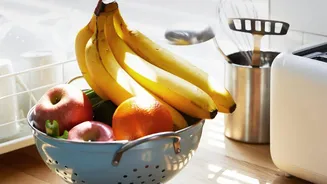
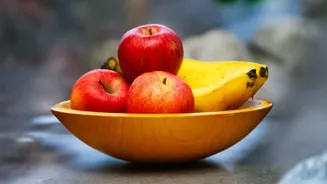
process in nearby produce. While this is a normal part of a fruit's life cycle, concentrating high ethylene-producing fruits next to those that are sensitive to it creates a fast-track to spoilage. Think of it as a domino effect; one fruit starts the process, and soon the whole bowl is following suit, going from perfectly ripe to overripe much faster than if the fruits were stored separately. This is why understanding which fruits are gassy culprits and which are sensitive victims is the key to extending their shelf life.
The High-Ethylene Producers
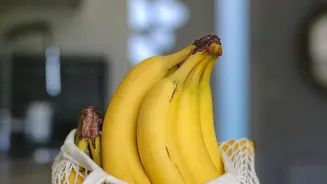
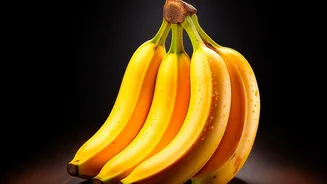
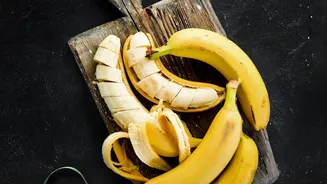
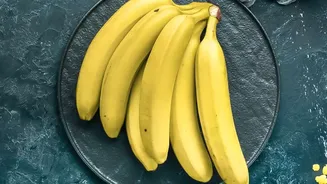
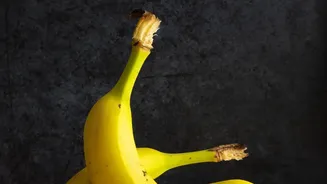
Some fruits are notorious for producing large amounts of ethylene gas, acting as the primary ripening agents in your fruit bowl. The most common offenders found in Indian kitchens include apples, ripe bananas, mangoes, and pears. Other significant producers are apricots, avocados, cantaloupe melons, peaches, plums, and even tomatoes. These fruits are climacteric, meaning they continue to ripen after being harvested. Storing them in a sealed container or a crowded bowl traps the ethylene they emit, creating a concentrated atmosphere that speeds up their own decay and significantly affects their neighbours. For instance, a single ripe banana or apple can dramatically shorten the life of other fruits around it. Knowing this group is the first step toward smarter storage.
The Ethylene-Sensitive Victims
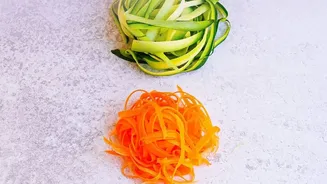
On the other side are the fruits and vegetables that are highly sensitive to ethylene. When exposed to the gas, they begin to degrade quickly. This can manifest as yellowing, softening, developing brown spots, or bitterness. Common ethylene-sensitive produce includes unripe bananas (which will ripen too fast), strawberries, grapes, and watermelon. Many vegetables are also highly sensitive, which is why fruits and vegetables should generally be stored apart. Leafy greens, cucumbers, carrots, broccoli, and cauliflower will all spoil prematurely if left near high-ethylene fruits. Carrots can become bitter, leafy greens can yellow and wilt, and cucumbers can develop soft, mushy spots. Even apples, which are high producers, are also sensitive to their own gas, turning mealy with prolonged exposure.
The Art of Smart Fruit Storage
To prevent this rapid spoilage and reduce food waste, strategic separation is your best friend. The golden rule is to keep high-ethylene producers away from ethylene-sensitive items. Don't store your apples and bananas with your leafy greens or cucumbers. In the refrigerator, use different crisper drawers if you have them. Generally, fruits prefer a lower-humidity environment (vent open) to allow ethylene to escape, while vegetables prefer high humidity (vent closed) to stay crisp. For countertop storage, consider having two separate fruit bowls: one for ethylene producers like apples and pears, and another for items like citrus fruits (oranges, lemons) and grapes, which are not major producers and are less sensitive. Let fruits like peaches, plums, and avocados ripen on the counter, and then move them to the fridge to slow the ripening process once they are ready to eat.
Building a Better Fruit Bowl
This doesn't mean you have to give up on the aesthetic of a beautiful, full fruit bowl. You just have to be strategic. For a longer-lasting display, fill your main bowl with fruits that don't produce much ethylene and aren't overly sensitive. This includes most citrus fruits like oranges and mosambi, as well as grapes and pineapples. Keep your apples, bananas, and mangoes in a separate location. You can also use the ripening power of ethylene to your advantage. If you have a hard, unripe avocado or pear, place it in a paper bag with a ripe banana or an apple for a day or two. The trapped ethylene will help it ripen much faster. The key is control. By understanding how these fruits interact, you can decide whether to accelerate or slow down the ripening process based on your needs.