


Acatenango, Guatemala: Supporting Local Communities
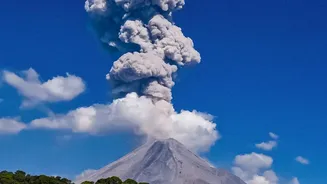
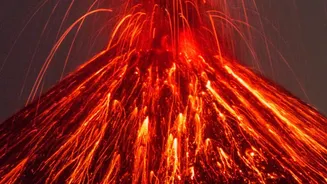
The overnight hike up Acatenango offers a spectacular front-row seat to the fiery eruptions of its neighbor, Volcán de Fuego. For years, this popular trek was dominated by large tour operators, with little profit trickling down to the local communities.
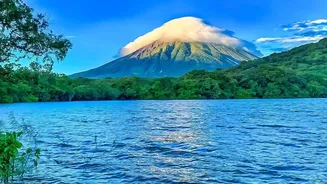
Today, a growing movement of responsible travelers chooses to hire guides directly from the nearby village of La Soledad. These community-led tours ensure that your money directly supports the families who call the mountain home. By choosing a local cooperative, you get an authentic experience with knowledgeable guides while contributing to sustainable livelihoods, turning your adventure into a direct investment in the local economy.
Mount Kilimanjaro, Tanzania: Demanding Ethical Treatment
Climbing Africa’s highest peak is a monumental achievement, made possible by an army of local porters. However, the welfare of these porters has long been a major ethical issue, with many being underpaid, ill-equipped, and forced to carry dangerously heavy loads. Responsible travel here means doing your homework. Trekkers can actively choose operators certified by the Kilimanjaro Porters Assistance Project (KPAP). This independent organization ensures partner companies provide fair wages, proper meals, adequate gear, and adhere to strict weight limits (20kg per porter). Asking about a company's KPAP status is a powerful way to ensure the people carrying your gear are treated with the dignity and respect they deserve.
Mount Fuji, Japan: Respecting a Sacred Site
As a UNESCO World Heritage site and Japan’s most sacred mountain, Mount Fuji draws hundreds of thousands of climbers each year. The challenge here isn't just the climb; it's managing the human impact. Responsible tourism on Fuji is about respecting both its cultural and environmental fragility. This means adhering to strict Leave No Trace principles, paying the voluntary conservation fee used for trail maintenance and toilet facilities, and avoiding the overcrowded peak climbing season if possible. Efforts also include reforestation projects at the mountain's base to restore biodiversity. Visiting Fuji responsibly is a lesson in minimalism—take only pictures, leave only footprints, and appreciate its spiritual significance.
Arenal, Costa Rica: Championing Ecotourism
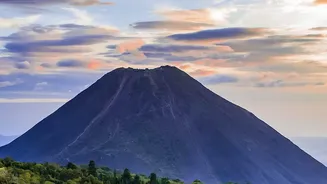
Once one of the world's most active volcanoes, Arenal is now the centerpiece of Costa Rica's world-renowned ecotourism industry. The country has proven that conservation can be a powerful economic driver. Responsible travel in Arenal means choosing from hundreds of eco-lodges and tour operators that are certified for their sustainable practices. These businesses often use renewable energy, protect local water sources, and contribute to reforestation efforts in the surrounding rainforest reserve. Visitors can hike through preserved habitats, learn about biodiversity from expert naturalist guides, and know that their tourist dollars are helping to fund the very conservation projects that keep the region pristine for future generations.
Mount Etna, Italy: Embracing the Local Economy
Europe's most active volcano is not just a geological wonder but also the heart of a vibrant agricultural region in Sicily. The volcanic soil creates a unique terroir for vineyards and produce. Responsible adventure on Etna extends beyond hiking its craters. It involves engaging with the local economy that thrives in its shadow. Take a tour with a local volcanologist, then visit a family-run winery on its slopes for a tasting. Stay at an agriturismo (farm-stay) that serves food grown in that same fertile soil. By connecting your trek with these local experiences, you help support a diverse and resilient economy that has coexisted with the volcano for centuries, making your visit richer and more impactful.
Piton de la Fournaise, Réunion: Valuing Protection
Located in the heart of a national park on the French island of Réunion, Piton de la Fournaise is one of the most active and monitored volcanoes in the world. Its inclusion as a UNESCO World Heritage site underscores a global commitment to its preservation. Responsible tourism here is about respecting the rules of a well-managed natural wonder. Marked trails guide hikers across otherworldly landscapes of hardened lava, protecting the fragile ecosystem and ensuring visitor safety. The existence of the Cité du Volcan museum promotes education and awareness. Visiting Piton de la Fournaise is a powerful reminder that thrilling adventure and robust environmental protection can, and should, go hand in hand.