




The Purple Reign of Ube
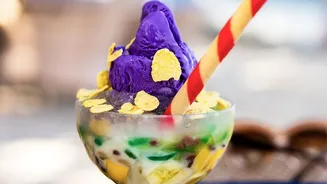
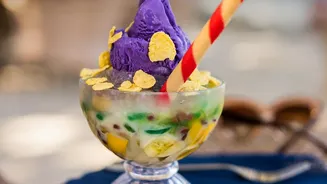
First, let's talk about the colour purple. Ube (pronounced 'ooo-bay') is a purple yam native to the Philippines, and its vibrant, deep violet hue is making it an Instagram star. But its appeal goes far beyond aesthetics. Ube has a unique and complex flavour—mildly
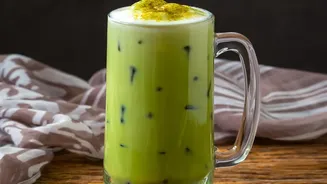
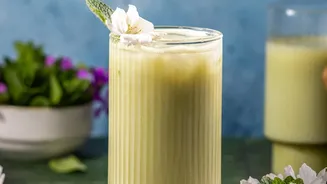
sweet with notes of vanilla, coconut, and pistachio. It's creamier and more aromatic than the sweet potatoes it's often compared to. Traditionally a staple in Filipino desserts like 'ube halaya' (a sweet jam), ice cream, and cakes, it's now being embraced by Indian cafes. According to Google search data, interest in ube in India reached an all-time high in August 2026, with breakout queries for 'ube latte' and even creative combinations like 'ube matcha'. This growing curiosity, led by cities like Telangana, shows a clear demand for this visually striking and deliciously different ingredient.
Hojicha, the Toasty Alternative
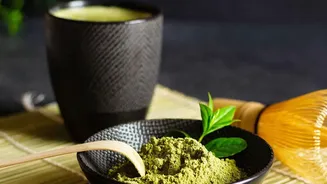
While matcha has been enjoying its moment in the sun, another Japanese green tea is quietly stepping into the spotlight: hojicha. Unlike the grassy, bright green matcha, hojicha is made by roasting green tea leaves and stems, a process that gives it a reddish-brown colour and a completely different flavour profile. The roasting process reduces caffeine and bitterness, resulting in a tea that is smooth, nutty, and slightly sweet with comforting notes of caramel and coffee. This mellow character makes it a perfect gateway for those who find other green teas too strong. Google data shows that searches for hojicha also hit an all-time high in India in March 2026, with people asking 'what is hojicha?' and comparing it against matcha. With its warm, roasted flavour, it's becoming a popular choice for lattes and other comforting beverages in cafes from Delhi to Mumbai.
Why Now? The Shift in India's Palate
The rise of ube and hojicha isn't happening in a vacuum. It points to a broader shift in what Indian consumers, particularly younger urban audiences, are looking for in their food experiences. The visual appeal is undeniable; in an age of social media, a vibrant purple latte or a beautifully layered drink is highly shareable. But it's also about a growing appetite for novel and global flavours. After years of exposure to international cuisines through travel and media, Indian diners are more adventurous than ever. Cafes are responding to this demand, moving beyond standard cappuccinos to offer more complex and unique beverages. The interest is no longer just about trying these drinks at a cafe; Google searches for making these drinks at home are also surging, showing a desire to incorporate these new tastes into daily rituals.
A Taste of the Trend
This growing curiosity is being met by an increasing number of specialty cafes and bakeries across India's major cities. In places like Delhi, Mumbai, Bengaluru, and Chennai, artisanal coffee shops and dessert bars are adding ube and hojicha to their menus. You might find a 'Dirty Hojicha', which pairs the roasted tea with a shot of espresso, at a specialty cafe in Bengaluru, or a creamy ube soft serve in Chennai. These aren't just copies of global trends; cafes are often putting their own spin on things, creating drinks like Hojicha Viet Lattes that blend Japanese and Vietnamese coffee cultures. The emergence of these ingredients on menus reflects a food and beverage industry that is listening closely to the evolving tastes of a more globally-minded Indian consumer. As the search data suggests, this is one trend that is only set to grow.