


A Culinary Heirloom from Gujarat
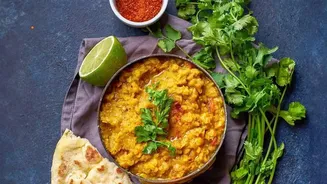
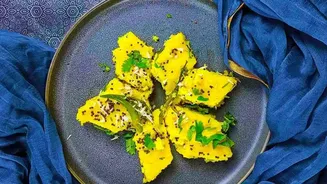
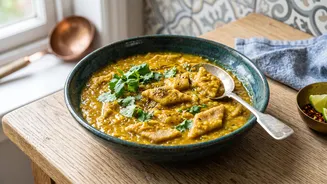
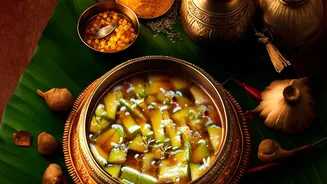
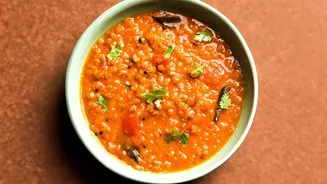
At its core, Dal Dhokli is the epitome of comfort food. It is a wholesome, one-pot dish where tender, diamond-shaped dumplings made from whole wheat flour (the dhokli) are simmered in a flavourful stew of pigeon peas (toor dal). This culinary marvel,
often likened to an Indian-style pasta, is a staple in Gujarati households and is also popular in neighbouring Rajasthan and Maharashtra, where it is known as Varan Phal. The genius of the dish lies in its completeness; the lentils provide protein, and the wheat dumplings offer carbohydrates, creating a balanced meal in a single bowl. Traditionally, it was a dish born of ingenuity, sometimes made with leftover dal and chapati dough to create a new, satisfying meal.
The Breakfast Power Bowl
While traditionally savoured for lunch or a light dinner, there is a growing appreciation for Dal Dhokli as a morning meal. The reason is simple: it is a nutritional powerhouse perfectly suited to kick-start the day. The combination of protein-rich lentils and complex carbohydrates from whole wheat provides sustained energy, keeping you full and focused until lunchtime. Unlike many sugary breakfast cereals or purely carb-based options that lead to a mid-morning slump, Dal Dhokli offers a balanced macronutrient profile. The fibre from both the dal and the atta aids digestion and promotes satiety, making it an incredibly smart choice for anyone looking for a breakfast that works as hard as they do.
A Harmony of Sweet, Sour, and Spice
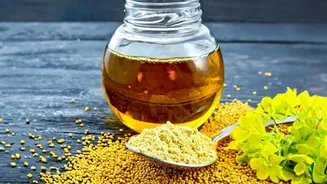
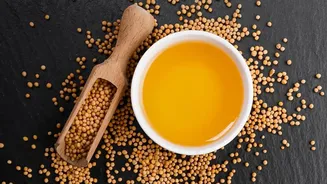
What makes Gujarati Dal Dhokli truly unforgettable is its distinctive 'khatta-meetha' (sweet and sour) taste profile. This delicate balance is achieved through the classic combination of jaggery (gur) for sweetness and kokum or lemon juice for a tangy kick. The dal itself is a symphony of aromas, tempered with mustard seeds, cumin seeds, fragrant curry leaves, and a pinch of asafoetida (hing). The dhokli dumplings, often spiced with carom seeds (ajwain), turmeric, and red chilli powder, absorb this beautiful amalgamation of flavours as they cook, becoming soft, juicy, and utterly delicious. Some variations even include peanuts, adding another layer of texture and nutty richness to the dish.
From Tradition to Modern Table
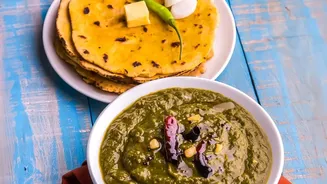
The beauty of Dal Dhokli lies in its adaptability. While the traditional recipe is a masterpiece, it's also a canvas for creativity. Many home cooks now add vegetables like tomatoes, peas, or drumsticks to increase its nutritional value. For a healthier twist, the dhokli can be made with multigrain flour instead of just whole wheat. While originating in Gujarat, the dish has inspired regional variations. The Rajasthani version, for example, tends to be spicier and uses a thicker dal, showcasing how this simple concept has been embraced and adapted across cultures. The rise of brands focusing solely on this dish signals its transition from a home-cooked favourite to a commercially celebrated food category.