

The Fermented Foundation of the South
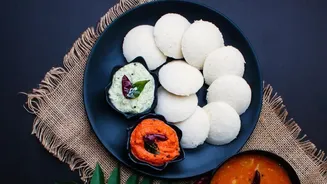
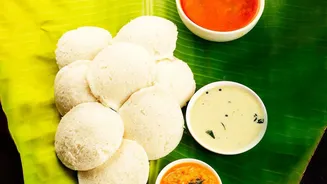
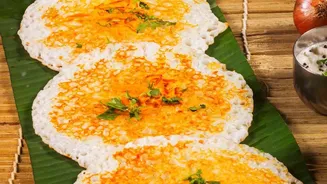
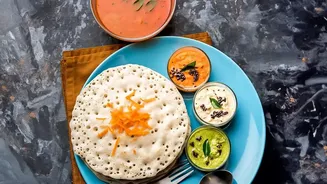
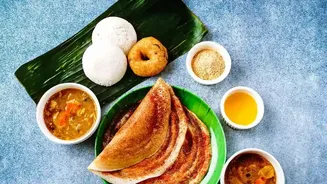
The most iconic of Indian batters is the one prepared for idli and dosa, staples across the southern states. This batter is a testament to the magic of fermentation. A mixture of soaked rice and urad dal (split black gram) is ground and left to rest,
often overnight. During this time, beneficial bacteria and yeasts get to work, causing the batter to rise. This natural process does more than just leaven; it transforms the ingredients. Fermentation breaks down carbohydrates and proteins, making the resulting idlis (steamed cakes) and dosas (crispy crepes) easier to digest. It also enhances the bioavailability of nutrients like B vitamins, iron, and calcium, while introducing probiotics that support gut health. This ancient technique creates a breakfast that is light, nutritious, and deeply satisfying.
Adai: The Protein-Packed Pancake
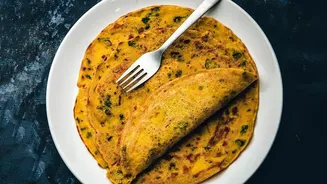
From Tamil Nadu comes Adai, a heartier and more robust cousin to the dosa. Unlike the classic dosa batter, Adai doesn't require fermentation, making it a quicker option. Its strength lies in its multi-lentil composition. A typical Adai batter is a coarse blend of rice with a variety of dals such as toor dal (pigeon peas), chana dal (Bengal gram), and urad dal. This combination makes it exceptionally rich in protein and fibre. Often spiced with red chillies, asafoetida, and ginger, the batter is sometimes enhanced with finely chopped onions or moringa leaves before being cooked into thick, savoury pancakes with crispy edges. Each household often has its own treasured ratio of rice to lentils, resulting in subtle variations in taste and texture.
Pesarattu: The Green Gram Wonder of Andhra
Travel to Andhra Pradesh, and you'll find Pesarattu, a distinctive green crepe that holds a special place in Telugu cuisine. The name itself comes from 'pesara' (the Telugu word for green gram) and 'attu' (crepe or dosa). Made primarily from a batter of whole green moong beans, Pesarattu is another breakfast powerhouse that requires no fermentation. The beans are soaked and ground with ginger, green chillies, and cumin seeds to create a flavourful and nutrient-dense batter. Naturally high in protein and fibre, it’s a filling meal that is traditionally served with a spicy ginger chutney (Allam Pachadi) and sometimes stuffed with rava upma for a complete meal known as MLA Pesarattu.
The Modern Millet Movement
In recent years, ancient grains have made a major comeback in Indian kitchens, and breakfast batters are no exception. Millets like ragi (finger millet), jowar (sorghum), kodo, and foxtail are being incorporated into traditional recipes to boost their nutritional profile. Ragi, known for its high calcium content, can be combined with urad dal to make a dark, earthy-tasting dosa. Other millets can partially replace rice in fermented batters, adding more fibre and a different texture to the final product. These millet-based batters offer a gluten-free alternative and a lower glycemic index compared to rice-heavy versions, making them a popular choice for health-conscious consumers looking for both tradition and wellness on their morning plate.