





The Heart of the Mission
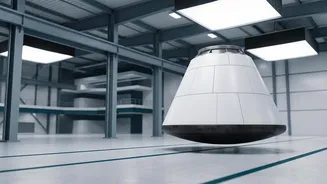
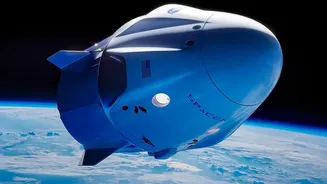
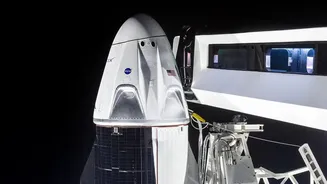
At the core of the Gaganyaan programme is the Crew Module, the pressurised capsule designed to be the astronauts' home in space. This is more than just a cabin; it's a self-contained ecosystem engineered to protect its occupants from the vacuum of space,
extreme temperatures, and the intense forces of launch and re-entry. The module houses the Environmental Control and Life Support System (ECLSS), which maintains breathable air, regulates temperature and humidity, and manages waste. It also integrates the complex avionics for navigation and control, and the critical deceleration systems for a safe return. Given that three astronauts will depend on it for their survival, ensuring its structural integrity and the flawless performance of its subsystems is ISRO's top priority.
A Gauntlet of Three Critical Tests
Recent efforts have focused on a trio of major qualification tests designed to validate systems that are essential for the crew's safe return. The first is the Float Inflation Test for the Crew Module Up-righting System (CMUS). After splashing down in the ocean, the capsule might not land in a stable, upright position. The CMUS uses gas-inflated balloons to automatically flip the module to the correct orientation, which is a vital safety requirement for recovery. The second test validates the umbilical separation mechanism connecting the Crew Module to the Service Module. This system ensures a clean disconnection of power and propulsion lines just before atmospheric re-entry, a critical step for the module's aerodynamics and stability. The third test qualifies the Crew Module's structure to withstand the loads from the Apex Cover separation. This cover protects the parachutes, and it must be jettisoned cleanly at a specific altitude to allow the deceleration system to deploy.
Why This Rigorous Testing Matters
Human spaceflight operates with virtually no margin for error. Unlike robotic missions, where a failure might mean the loss of a satellite, a human-rated system demands near-perfect reliability. This intense testing phase is about moving from theory and design to proven, real-world performance. Each successful test demonstrates that the systems not only work as intended but also have the required design margins to handle unexpected conditions. The tests validate everything from the structural stability of the module's panels to the performance of control valves and separation mechanisms. This process provides the crucial data and confidence needed to certify the vehicle as safe for astronauts. It also places these developments in the context of the broader Crew Escape System (CES), which is designed to pull the crew module to safety in case of an emergency during launch.
Placing Readiness in Context
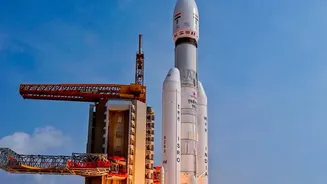
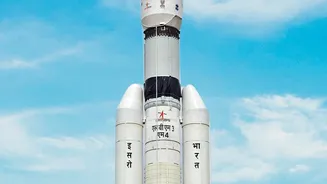
These qualification tests are a significant marker of progress, signalling that the Gaganyaan program is advancing from component development to integrated system validation. Government updates have confirmed that the Human Rated Launch Vehicle (HLVM3) has completed ground testing, and critical infrastructure like the Gaganyaan Control Centre and Astronaut Training Facility are established. The astronaut candidates have completed generic training and are now undergoing mission-specific instruction in Bengaluru. The successful validation of the crew module's safety features is a key piece of this larger puzzle. While the overall timeline remains subject to the outcomes of these rigorous safety assessments, each milestone brings the first uncrewed flight, designated G1, closer to reality. Following a series of uncrewed test flights, the first crewed mission is targeted for 2027.