






The Allure of a Ghost
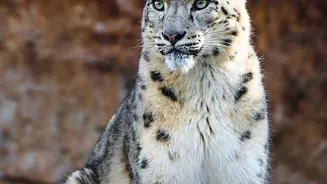
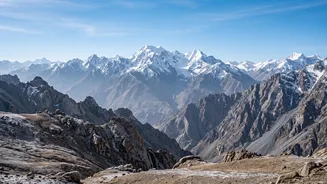
To see a snow leopard in the wild is the dream of many wildlife enthusiasts. With its smoky-grey coat and phantom-like ability to blend into the rocky, snow-dusted slopes of the Himalayas, this big cat is a symbol of all that is wild and remote. Ladakh,
with an estimated population of over 470 snow leopards, has become one of the premier destinations in the world for this quest. The peak season for sightings is during the harsh winter, from January to March, when the leopards follow their prey, like the blue sheep (bharal), down to lower, more accessible valleys. This challenging environment, with altitudes over 3,500 metres and freezing temperatures, only adds to the mystique and the profound sense of accomplishment when a sighting occurs.
Tourism's Double-Edged Sword
The growing interest in snow leopard tourism presents both an opportunity and a threat. Unregulated, it can lead to significant disturbance of the animals' fragile habitat. The pressure to deliver sightings at any cost can result in unethical practices like using bait, crowding animals, or causing them stress during the critical winter and mating seasons. This can disrupt natural behaviours and ultimately harm the very population that tourists have come to see. Furthermore, historically, the relationship between local communities and snow leopards has been fraught with conflict. The cats prey on livestock, which is the primary livelihood for many Ladakhi families, leading to retaliatory killings in the past.
A New Model for Responsible Safaris
To counter these risks, a community-centric and conservation-focused approach to snow leopard safaris has been developed, championed by organizations like the Snow Leopard Conservancy India Trust (SLC-IT). This model is built on strict principles: trips are conducted in small groups to minimise impact, and visitors are guided by highly trained local trackers who possess an intimate knowledge of the terrain and animal behaviour. A core rule is maintaining a respectful distance, often observing from 400-500 metres away using spotting scopes. This patient approach focuses on tracking and understanding the ecosystem, not just chasing a sighting. The goal is to make the entire experience about the landscape and its culture, reducing the pressure to focus solely on the leopard.
Putting the Community at the Core
The most critical element of this sustainable model is its direct economic benefit to local communities. Instead of staying in hotels in Leh, tourists stay in village homestays, run by local families. This provides a vital alternative income source, transforming the snow leopard from a perceived pest into a valuable asset worth protecting. Men from the villages work as expert trackers and guides, while women often manage the homestays, ensuring the economic benefits are distributed throughout the community. A portion of the tourism revenue is often funnelled into a village conservation fund, used for community projects, and to support programs that build predator-proof corrals to protect livestock, further reducing human-wildlife conflict.
The Experience Beyond the Sighting
A responsible snow leopard safari is about more than just a photograph. It's an immersion into the high-altitude life of Ladakh. The journey begins with a crucial 48-hour acclimatisation period in Leh to adjust to the thin air. The days are spent patiently scanning ridges with expert trackers, learning to identify tracks and other signs of wildlife, and spotting other incredible animals like ibex and red foxes. Evenings are spent in the warmth of a homestay, sharing meals and stories with a Ladakhi family, offering a profound cultural exchange. This approach ensures that even if the 'ghost' remains unseen, the trip is a rich and meaningful adventure that directly contributes to its survival.