






The Golden Rule: Acclimatise First
Before you rush off to see the sights, your first and most crucial task is to acclimatise. Leh sits at an altitude of over 3,500 metres (11,500 feet), where the oxygen levels are significantly lower than at sea level. Arriving by flight means a rapid
ascent, making your body vulnerable to Acute Mountain Sickness (AMS), with symptoms like headaches, dizziness, and nausea. The non-negotiable rule for travellers flying into Leh is to rest for at least 24 to 48 hours upon arrival. This means no strenuous activity—not even a brisk walk up to the Shanti Stupa. Drink plenty of water (3-4 litres a day), eat light meals, and avoid alcohol to help your body adjust. This short period of rest is a small investment for a safe and enjoyable trip.
Exploring the Heart of Leh
Once you're properly acclimatised, your exploration can begin right in Leh town itself. Dominating the skyline is the magnificent Leh Palace, a nine-storey royal structure from the 17th century that offers a deep dive into the region’s regal history. Just a short distance away, the gleaming white dome of the Shanti Stupa provides panoramic views of the entire valley, especially stunning at sunrise or sunset. Built by Japanese Buddhist monks, it's a symbol of peace and a perfect spot for quiet contemplation. Don't miss a stroll through the main market, a bustling hub where you can shop for local handicrafts, Tibetan souvenirs, and delicious apricots.
The Spiritual Trail of Monasteries
Ladakh is a land of monasteries, and many of its most famous are just a short drive from Leh. Thiksey Monastery, often compared to the Potala Palace in Lhasa, is a spectacular 12-storey complex with a stunning 15-metre statue of Maitreya Buddha. Hemis Monastery, the largest and wealthiest in Ladakh, is tucked away in a gorge and is famous for its annual festival featuring vibrant masked dances. Other notable monasteries within easy reach include Shey, with its giant copper Buddha statue, and Spituk, which offers a quieter, less-crowded experience near the airport. Each gompa offers a unique window into the region's deep-rooted Buddhist culture.
The Journey to Pangong Tso
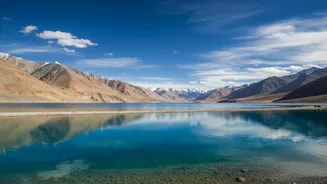
No trip to Ladakh is complete without a visit to the mesmerising Pangong Tso. This high-altitude saltwater lake, stretching over 130 kilometres into Tibet, is famous for its ever-changing shades of blue, green, and grey. The journey from Leh is an adventure in itself, taking around 5-6 hours and crossing the formidable Chang La Pass, one of the world's highest motorable passes at over 5,300 metres. While a day trip is possible, many travellers opt to stay overnight in camps near the lake to witness its serene beauty at sunset and sunrise. The sheer scale and tranquillity of Pangong Tso make the long drive entirely worthwhile.
Into the Sands of Nubra Valley
To reach the enchanting Nubra Valley, you must conquer the legendary Khardung La, a pass that sits at a breathtaking altitude. Once you descend into the valley, the landscape transforms dramatically. Known as the "Orchard of Ladakh," Nubra is a high-altitude cold desert where you'll find the improbable sight of sand dunes against a backdrop of snow-capped mountains. The main attractions here are the double-humped Bactrian camels of Hunder, which you can ride across the dunes, and the Diskit Monastery, which features a colossal 32-metre statue of Maitreya Buddha overlooking the valley. The unique blend of desert, rivers, and mountains makes Nubra a truly unforgettable destination.