



The Perfect Storm of Pollution
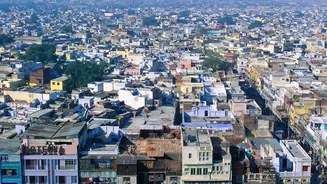
October marks a critical transition period for air quality in North India. The comfortable, rain-washed air of the monsoon gives way to a toxic cocktail of pollutants. This isn't a simple, single-source problem but a complex interplay of factors. As the monsoon withdraws,
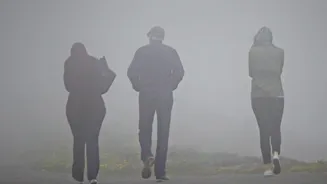
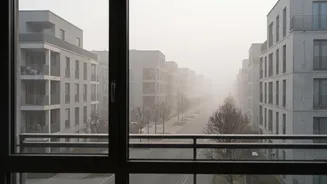
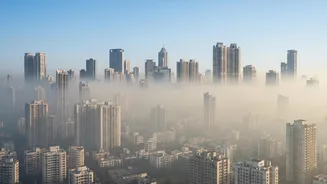
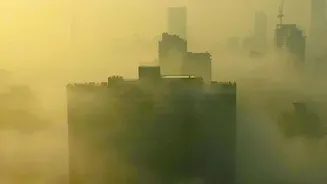
wind patterns change. The winds slow down and start blowing from the northwest, carrying smoke from agricultural fields in Punjab and Haryana directly towards the capital. Simultaneously, cooler temperatures lead to a phenomenon called temperature inversion. This acts like a lid, trapping pollutants close to the ground and preventing them from dispersing. While local sources like vehicle emissions, construction dust, and industrial pollution are a year-round issue, these meteorological changes in October amplify their impact, turning the region into a veritable gas chamber. The first week of October 2026 has already been the most polluted in three years, with the average Air Quality Index (AQI) hitting 171.
The Role of Stubble Burning
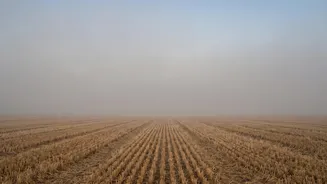
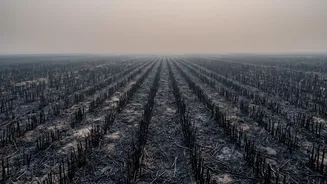
Paddy stubble burning in neighbouring states is a significant, albeit seasonal, contributor to Delhi's pollution crisis. Farmers, in a rush to clear their fields between the harvesting of paddy and the sowing of wheat, resort to burning the crop residue. This year, between September 15 and October 6, 287 crop fire incidents have been recorded across seven states, including Punjab, Haryana, and Uttar Pradesh. Interestingly, satellite data from the Indian Agricultural Research Institute (IARI) shows that stubble burning incidents in Punjab have seen a significant decline this season, recording the lowest numbers in seven years for this period. In contrast, states like Madhya Pradesh have seen a rise in farm fires. To curb this practice, the Commission for Air Quality Management (CAQM) has deployed flying squads in 34 districts across Punjab and Haryana to monitor and report incidents daily.
The Government's Action Plan: GRAP
To combat the predictable surge in pollution, authorities implement the Graded Response Action Plan (GRAP). This is a set of emergency measures that become incrementally stricter as the air quality deteriorates. The Commission for Air Quality Management (CAQM) has revised the GRAP for 2026, making it more stringent. The plan is divided into four stages based on AQI thresholds. Stage I (AQI 201-300) now includes earlier restrictions on certain inter-state buses and diesel generators that previously kicked in at Stage II. As the AQI worsens, later stages can trigger bans on BS-III petrol and BS-IV diesel vehicles, a halt on construction activities, and even work-from-home advisories. For 2026, the penalties are severe: driving a non-compliant vehicle during restrictions could lead to a ₹20,000 fine, while not having a valid Pollution Under Control (PUC) certificate can result in a ₹10,000 penalty and denial of fuel.
Health on the Line
The impact of this poor air quality on public health is severe and wide-ranging. The tiny PM2.5 particles are particularly dangerous as they can penetrate deep into the lungs and enter the bloodstream, affecting nearly every organ. Short-term exposure leads to coughing, sore throats, and burning eyes. For those with pre-existing conditions like asthma or COPD, it can trigger severe flare-ups. However, the long-term consequences are even more frightening. Chronic exposure is linked to reduced lung capacity, an increased risk of heart attacks and strokes, and even cancer. Children are especially vulnerable, with studies showing irreversible lung damage in millions of children in Delhi. The pollution weakens their immune systems and increases the risk for a host of diseases later in life.