




What Ferrari Actually Said
During a quarterly earnings call in early August 2026, CEO Benedetto Vigna confirmed that the company is actively evaluating carbon-neutral fuels, a category in which they include biofuels. “We have already tested different types of carbon-neutral fuels, and
the engine performs very well. Nothing changes,” Vigna stated. This confirmation that its celebrated combustion engines run perfectly on these new fuel formulations caused excitement, but Vigna was careful not to announce a new product line. The key takeaway is that this is an internal research and validation exercise, confirming that Ferrari’s existing hardware is compatible with potential future fuels.
The Real Driver: Formula 1
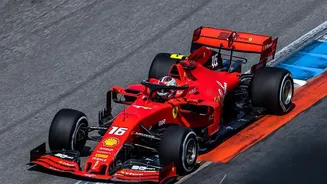
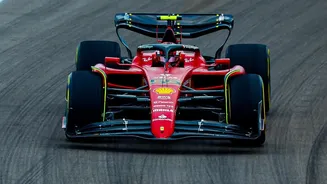
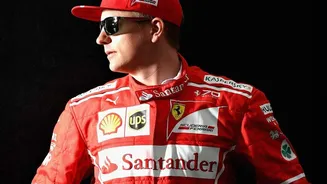
The primary motivation behind this research isn't the local filling station; it's the Formula 1 racetrack. Starting in 2026, F1 regulations will mandate the use of 100% advanced sustainable fuels. These can be biofuels derived from non-food waste or synthetic e-fuels created using renewable electricity and captured carbon. For a company whose brand is so deeply intertwined with F1, mastering this technology is not optional—it's essential for competition. The track will serve as the ultimate high-speed laboratory. As Vigna has previously noted, technologies developed for F1 often migrate to road cars, making the 2026 fuel regulations a critical development program for the company's future.
A Strategy of 'Freedom of Choice'
While Ferrari is developing its first fully electric car and has a robust lineup of hybrids, the company is not going all-in on electrification. In fact, its long-term strategy has shifted to embrace a more balanced portfolio. By 2030, Ferrari aims for a mix of 40% internal combustion, 40% hybrid, and only 20% fully electric vehicles. This 'freedom of choice' approach means keeping the iconic V8 and V12 engines alive for as long as possible. Sustainable fuels offer a potential lifeline to do so in a world with increasingly strict emissions regulations, allowing the brand to preserve the sound and soul that many enthusiasts demand.
Not the Only Horse in the Race
Ferrari is not alone in this pursuit. Porsche, a key rival, has been even more public and aggressive with its e-fuel strategy. The German automaker has invested over $100 million in HIF Global, a company building industrial e-fuel production facilities, including a pilot plant in Chile. Like Ferrari, Porsche sees synthetic fuels as a way to complement its electric vehicle lineup and allow its vast fleet of classic and modern combustion-engine cars to be driven in a more carbon-neutral way. This shared strategy among performance-car titans underscores the importance of e-fuels as a potential third way, bridging the gap between traditional gasoline power and full electrification.
Biofuel vs. E-Fuel: What's the Difference?
Though the terms are often used interchangeably, there's a distinction. Biofuels are derived from organic matter like waste products or non-food crops. Synthetic fuels, or e-fuels, are created through a more industrial process, typically by combining hydrogen (produced using renewable electricity) with carbon dioxide captured from the atmosphere. F1's 2026 regulations allow for both. While Vigna's recent comments focused on biofuels, the broader research into 'carbon-neutral' options includes all sustainable pathways that could keep a Ferrari engine roaring.