



Introducing Villa Swagatam
At the heart of this initiative is Villa Swagatam, a flagship cross-residency programme run by the French Institute in India. Launched in 2023, its mission is to build lasting bridges between the creative communities of France and South Asia, including
India, Bangladesh, Sri Lanka, and Bhutan. This month, it announced the 35 laureates selected for its fourth edition, which will run from August 2026 to August 2027. Unlike short-term cultural festivals, Villa Swagatam is designed as a catalyst for sustained dialogue. It operates through a network of nearly 30 partner institutions, from foundations in Jaipur and Lucknow to contemporary art centres in France. This structure allows for a decentralised and deeply localised experience for its participants.
The Creatives of 2026-2027
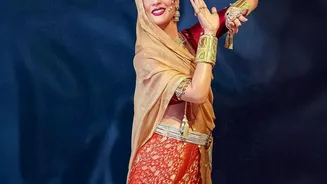
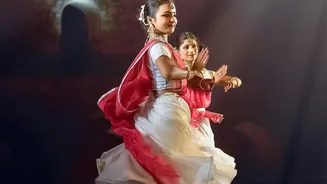
The selected group of 35 is a diverse mix of artists, designers, authors, researchers, and graphic novelists. The cohort includes notable Indian practitioners like contemporary dancer Aishwarya Raut, who will develop new work at the Centre National de la Danse in Pantin, and acclaimed novelist Shubhangi Swarup, who will be the first resident in La Réunion to explore the shared ecological histories of the Indian Ocean. French creatives like graphic novelist Pierre Dawance and artist Vincent Voillat will also participate, engaging with Indian craftsmanship and culture. The selection process was highly competitive, with over 540 applications received, signalling a strong and growing interest in the programme from around the world, including from the Indian diaspora.
The Value of Immersive Time
The headline’s mention of the “practical meaning of time” points to the core philosophy of Villa Swagatam. The residencies last between one and three months, a deliberate choice to move beyond superficial encounters. This extended duration allows creatives to immerse themselves in a new environment, conduct meaningful research, and forge genuine collaborations with local artists and communities. French Ambassador to India, Thierry Mathou, described the programme as a “remarkable laboratory for Indo-French cultural cooperation and innovation,” where the conditions are created for experimentation and unexpected encounters. It is this investment in time that allows for the 'deeper cultural work' to happen, enabling participants to become 'passeurs'—cultural transmitters who weave lasting connections between societies.
A Two-Way Cultural Street
A defining feature of Villa Swagatam is its principle of reciprocity. Since 2024, the programme has ensured that it is not a one-way flow of French artists travelling to India. Instead, it facilitates a robust, two-way exchange, with Indian laureates being hosted in partner institutions across France. This edition achieves near-parity in the flow of residents in both directions, embodying a truly balanced and respectful partnership. This bilateral dynamic is crucial, as it transforms the initiative from a simple showcase into a genuine dialogue where ideas, skills, and perspectives are exchanged on equal footing, strengthening the creative ecosystems in both nations.
Culture as a Strategic Bridge
The Villa Swagatam programme is not happening in a vacuum. The fourth edition is a key part of the India-France Year of Innovation 2026. This positions cultural exchange as a vital component of the broader strategic partnership between the two countries, which was elevated to a "Special Strategic Partnership" in early 2026. By fostering collaboration in fields like design, literature, and visual arts, the programme reinforces the 'soft power' that complements the nations' cooperation in defence, energy, and technology. It is a long-term investment in mutual understanding and shared creativity, building a foundation of trust and familiarity that underpins diplomatic and economic ties.