





A New World of Possibilities
For decades, the ultimate travel goal for many Indians involved navigating the complex Schengen visa process to witness the Eiffel Tower or the Colosseum. While the charm of Paris and Rome remains, the map of desirable destinations is rapidly expanding.
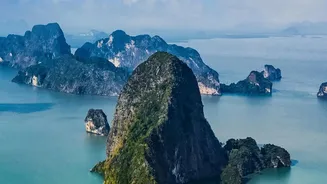
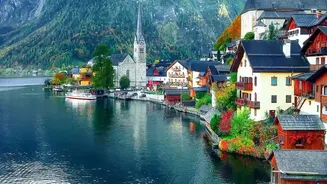
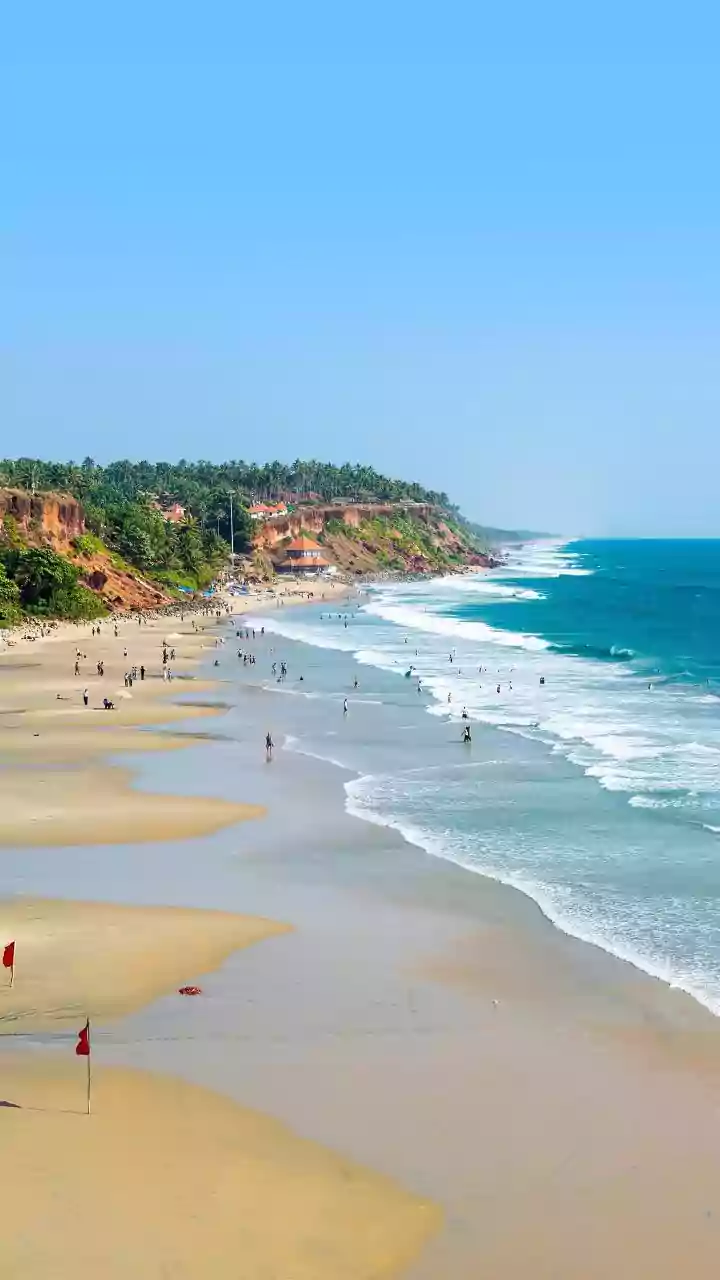
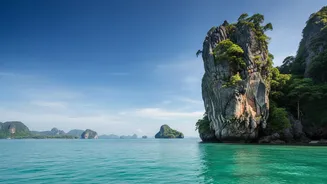
Today, Indian tourists are increasingly looking towards Southeast Asia, Central Asia, and parts of Eastern Europe and Africa. This trend isn't just about seeking the unconventional; it's driven by a powerful combination of accessibility, affordability, and the desire for unique experiences that are now within easier reach than ever before. These emerging hotspots offer rich culture, stunning landscapes, and modern amenities, presenting a serious challenge to Europe's traditional dominance.
The Power of a Simplified Visa
The single most significant factor revolutionising travel for Indians is friendlier visa policies. Countries like Thailand, Malaysia, and Sri Lanka have recently offered visa-free entry, eliminating the biggest hurdle for spontaneous travel. Others, such as Vietnam and a growing list of African nations like Kenya, have introduced streamlined e-visa systems that take minutes to complete online. This stands in stark contrast to the often lengthy, document-heavy, and uncertain process of applying for a Schengen visa, which can deter even the most enthusiastic travellers. The ability to book a trip without weeks of visa-related anxiety is a game-changer, making these emerging destinations far more attractive for short breaks and planned holidays alike.
Technology Puts You in Charge
Gone are the days of relying solely on expensive tour packages. Modern technology has empowered a new generation of independent Indian travellers. Smartphone apps have become indispensable tools, breaking down former barriers. Digital translation apps make communication in non-English-speaking countries seamless, while navigation apps ensure you never get lost, even on the winding streets of a new city. Platforms for booking local tours, activities, and transport on the fly allow for unprecedented flexibility. This digital toolkit reduces uncertainty and gives travellers the confidence to explore destinations once considered too difficult to navigate on their own, from the bustling markets of Hanoi to the ancient cities of Uzbekistan.
Value for Money and Better Connectivity
The financial aspect cannot be overstated. A trip to many of these emerging destinations can cost significantly less than a comparable holiday in Western Europe. From accommodation and food to activities and local transport, the value proposition is often unbeatable, allowing travellers to enjoy longer stays or more luxurious experiences within their budget. This affordability is bolstered by increasing flight connectivity. Airlines are continually adding direct and one-stop routes from major Indian cities to hubs in Southeast and Central Asia, reducing travel time and cost. Getting to places like Bali, Almaty, or Ho Chi Minh City is now faster and more economical than ever.
Today’s Alternatives to the Euro-Trip
So, where are Indian travellers going? Vietnam is a prime example, offering French colonial architecture, breathtaking landscapes like Ha Long Bay, and a vibrant food scene at a fraction of European prices. Central Asia, particularly Uzbekistan and Kazakhstan, is drawing interest with its Silk Road history and stunning Islamic architecture, now accessible with simplified visa rules. In Europe itself, countries outside the main Schengen zone, such as Serbia (which is visa-free for Indians) and Albania, are being discovered for their beautiful coastlines, rich history, and welcoming atmosphere, offering a European feel without the crowds or costs.