






Beyond Picky Eating: What is Food Confidence?
Before diving into solutions, it's helpful to understand the goal. Food confidence isn't just about a child eating everything on their plate. It's about them feeling relaxed, curious, and competent around food. A food-confident child trusts their own
hunger and fullness cues, is open to trying new things without fear, and doesn't feel anxious at the dinner table. This positive relationship with eating is built over time through positive, low-pressure experiences. When children are pressured, bribed, or forced to eat, it can create long-term anxiety and resistance, which is the opposite of confidence. The objective is not to win the battle over broccoli today, but to nurture a positive approach to food for a lifetime.
The Psychology of Choice
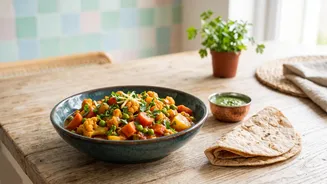
Toddlers and young children are driven by a powerful need for independence. Giving them a sense of control over their world is crucial for their development, and the dinner plate is no exception. When you demand, “Eat your bhindi,” you create a power struggle. But when you ask, “Would you like bhindi or gobi tonight?” you change the entire dynamic. This simple act of providing a limited choice hands them a feeling of autonomy. They feel respected and heard, which reduces their instinct to refuse. The choice isn't about whether to eat vegetables, but which ones. This empowers the child within a structure set by the parent, making them a willing participant rather than a passive resistor.
The Division of Responsibility
This approach is a core part of a renowned feeding strategy called the Satter Division of Responsibility (sDOR). Developed by dietitian and family therapist Ellyn Satter, the model outlines clear roles for parents and children. The parent’s job is to decide what food is served, when it’s served, and where it’s served. The child’s job is to decide whether to eat what is offered and how much to eat. Offering a choice between two vegetables fits perfectly within this framework. You, the parent, have fulfilled your duty by putting healthy options on the table. Your child then gets to exercise their responsibility by choosing from those options. This removes the pressure and allows them to listen to their own body.
How to Offer Choices (Without Becoming a Chef)
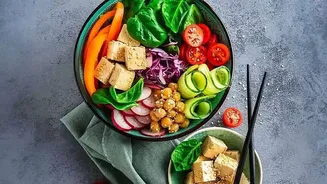
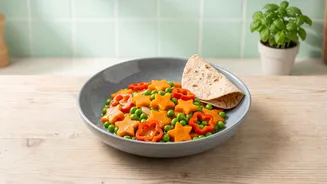
Offering choice doesn’t mean you have to cook multiple meals. It’s about small, manageable options. Start by serving two simple vegetables with dinner—perhaps some sliced carrots and some peas. Let your child choose which one (or both, or neither) to eat. Keep the portions small to avoid overwhelming them. You can also involve them earlier in the process. At the grocery store or sabzi mandi, let them pick between two green vegetables for that night's meal. This early involvement gives them a greater sense of ownership and makes them more invested in trying the food they helped choose. Remember to keep it simple: “Carrots or cucumbers?” is an effective choice; “What vegetable do you want?” is too broad and can lead to unhelpful requests.
Patience and Repeated Exposure are Key
This strategy is not a magic fix. A child might still refuse both options, and that’s okay. The goal is to remain neutral and pressure-free. Experts say it can take 10 to 20 exposures for a child to accept a new food. Just having the vegetable on the table, seeing you eat it, and having the no-pressure option to try it counts as a positive exposure. Don’t bribe with dessert or punish for not eating; these tactics undermine trust and create negative associations with food. Instead, model enjoyment yourself. When your child sees you eating and enjoying a variety of vegetables without any fuss, they learn that these foods are a normal, pleasant part of life.