






The First Rule: Always Soften Your Skin
Think of tough, dry skin on your feet like a hardened sponge. Trying to scrub it while it's dry is not only ineffective but can also cause damage. The non-negotiable first step in any successful foot exfoliation routine is to soften the skin. A simple
10 to 15-minute foot soak in warm water is all it takes to make the layers of dead skin more pliable and easier to remove. Adding Epsom salts can help, but avoid water that is excessively hot, as this can strip the skin and cause more dryness. This single step transforms the process from a battle against your skin to a cooperative effort, setting the stage for a much gentler and more effective exfoliation.
Choose Your Exfoliation Method
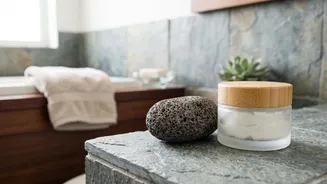
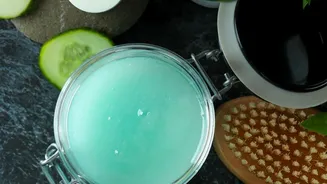
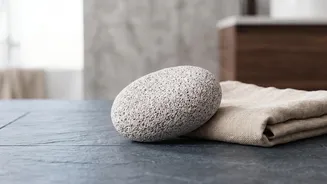
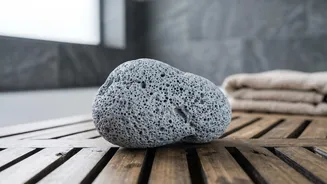
Once your skin is softened, you have two primary methods to choose from: physical or chemical exfoliation. Physical exfoliants manually remove dead skin. This category includes tools like pumice stones, foot files, and granular scrubs. Pumice stones are a classic, affordable choice; they should be used wet on wet skin with gentle, circular motions. Foot files can tackle thicker calluses but should be used with care to avoid being too harsh. Chemical exfoliants use acids—like glycolic, lactic, or salicylic acid—to dissolve the bonds holding dead skin cells together. These often come in the form of foot peels or creams. While effective for deep exfoliation, they require patience as the skin may peel for several days after application.
The Dangers of an Aggressive Approach
Here is where many people go wrong. Believing that more pressure equals smoother feet, they scrub too aggressively. This can lead to over-exfoliation, a condition that actively harms your skin. When you scrub too hard, you can create micro-tears in the skin and disrupt its natural protective barrier. In response to this perceived injury, the body's defense mechanism can kick in, sometimes leading to even thicker callus formation as it tries to protect the irritated area. Signs of over-exfoliation include redness, a burning or stinging sensation, increased sensitivity, and paradoxically, worse cracking and dryness. For most people, exfoliating once or twice a week is sufficient. If your skin feels tender or irritated, you're doing too much.
The Final, Crucial Step: Hydration
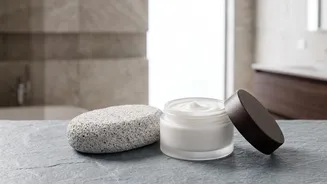
Exfoliation is only one part of the equation. Removing the top layer of dead skin is pointless if you don't protect the new, vulnerable skin underneath. Moisturizing immediately after you exfoliate and dry your feet is essential to lock in hydration and maintain softness. Standard body lotions may not be enough for the thick skin on your feet. Look for rich creams or balms containing ingredients specifically designed to hydrate and soften, such as urea, shea butter, glycerin, or ceramides. Applying a thick layer of cream and then wearing cotton socks to bed can create an intensive overnight treatment, helping to prevent future dryness and calluses from forming. This final step ensures your exfoliation efforts have lasting results.