





Why the Monsoon Poses a Risk
During the rainy season, the risk of foodborne and waterborne illnesses increases significantly. The high humidity and dampness create an ideal environment for bacteria, fungi, and other microbes to thrive. Leafy vegetables, with their large surface area
and multiple layers, are particularly susceptible to contamination. Rainwater can wash contaminants from the soil onto the leaves, and the damp conditions allow tiny insects and their larvae to hide within the folds. This means that mud, grit, and invisible pathogens can easily find their way into your kitchen, potentially leading to stomach infections, diarrhoea, and food poisoning if not handled correctly.
Choosing Your Greens Wisely at the Market
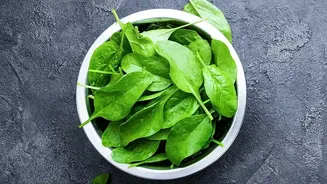
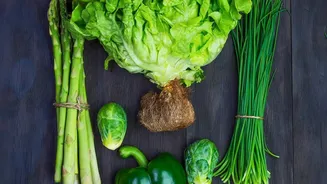
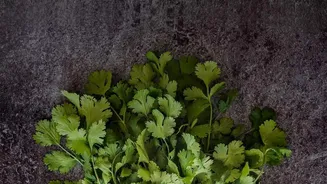
Your safety measures start at the point of purchase. When buying leafy greens during the monsoon, be extra vigilant. Opt for fresh, crisp-looking leaves and avoid anything that appears wilted, slimy, or has yellowed or brown spots. Carefully inspect the bunches for any visible signs of insects, mould, or excessive mud. It’s also wise to avoid pre-cut vegetables, as the increased surface area and handling can lead to faster bacterial growth, especially in the humid monsoon weather. Whenever possible, choose seasonal and local greens, such as various gourds, which are often hardier and easier to clean.
The Ultimate Cleaning Regimen
Thorough washing is non-negotiable. Start by separating the leaves and rinsing them under clean, running water to remove loose dirt. Do not wash them in a bowl of stagnant water at this stage, as it can re-contaminate the leaves. After the initial rinse, a disinfectant soak is highly recommended. You can use a saltwater solution (one tablespoon of salt per litre of water) or a vinegar solution (one part white vinegar to three parts water) and soak the greens for 10-15 minutes. This helps dislodge hidden insects and reduce bacteria. Some also use a very dilute solution of potassium permanganate, which is a powerful disinfectant against pathogens and pesticide residues. After soaking, lift the greens out of the water, discard the dirty water, and rinse them again thoroughly under running water.
The Importance of Proper Drying and Storage
Moisture is the enemy of freshness and the best friend of bacteria. After washing, it is critical to dry your greens completely before storage. You can pat them dry with a clean kitchen towel or use a salad spinner for best results. Once bone dry, wrap the greens loosely in a paper towel or a thin muslin cloth and place them in a breathable bag in the refrigerator. Avoid sealing them in airtight plastic bags, which trap moisture and accelerate spoilage. It's generally best to wash most vegetables just before use, but if you do wash leafy greens in advance, ensuring they are completely dry is the key to safe storage.
Cooking Is Your Final Defence
While a thorough wash helps, cooking provides the final layer of safety. The heat involved in cooking kills most of the harmful bacteria and germs that might have survived the cleaning process. For this reason, many experts advise against consuming raw leafy greens in salads during the monsoon. Instead, opt for well-cooked dishes like palak paneer, saag, or adding greens to dals and soups. If you must have them in a less-cooked form, consider blanching them first. This involves briefly submerging the leaves in boiling salted water for about 30 seconds and then immediately transferring them to an ice bath, which helps to kill germs while preserving the colour and crunch of the leaves.