


More Than Just a Playground Game
Beyond the competitive fun, tug-of-war is a serious test of muscular endurance and total-body integration. Unlike isolated exercises that target one muscle group at a time, this activity forces your entire body to work as a single, coordinated unit. To
resist the pull from the opposing side, you must generate force from the ground, transfer it through your legs and core, and express it through your back, shoulders, and arms. This makes it a prime example of functional fitness—training that prepares your body for real-world movements and physical challenges. Every muscle is engaged in a battle against an active, intelligent resistance, creating a unique stimulus for building practical strength.
The True Foundation of Stability
The phrase “stability from the ground up” is quite literal when it comes to tug-of-war. Your first point of contact and the source of your power is your connection to the ground. Your feet must grip the earth, creating a solid base. From there, your leg muscles—quadriceps, hamstrings, and calves—act as powerful pistons, driving force into the ground. Simultaneously, your core muscles, including your abdominals, obliques, and lower back, must fire intensely to keep your torso rigid and stable. This prevents your body from folding under the load and ensures that the power generated by your legs is efficiently transferred to the rope. This isometric core contraction is a phenomenal way to build the deep stabilizing muscles that protect your spine and improve your balance in all other activities.
Awakening the Posterior Chain
Modern lifestyles, often involving long hours of sitting, can lead to a weak and underactive posterior chain—the group of muscles on the backside of your body, including your glutes, hamstrings, and lower back. Tug-of-war is an exceptional tool for waking up and strengthening this crucial muscle group. The fundamental stance of the exercise involves leaning back, keeping your hips low, and driving with your legs. This position puts the glutes and hamstrings under constant tension, forcing them to activate powerfully. A strong posterior chain is vital not only for athletic power but also for maintaining good posture, preventing lower back pain, and improving your ability to lift heavy objects safely.
Grip, Back, and Upper Body Strength
While the legs and core provide the foundation, the upper body executes the pull. Your grip is arguably one of the most critical factors. Maintaining a firm hold on the rope for an extended period is a formidable workout for your hands and forearms, building the kind of grip strength that translates directly to other lifts and daily tasks. As you pull, your latissimus dorsi (lats)—the large muscles of your back—engage to draw the rope towards your body. Your shoulders, biceps, and triceps all work in concert to hold the position and apply force. This creates a powerful upper body that works in tandem with your lower body, not in isolation.
Proper Technique for a Safe Pull
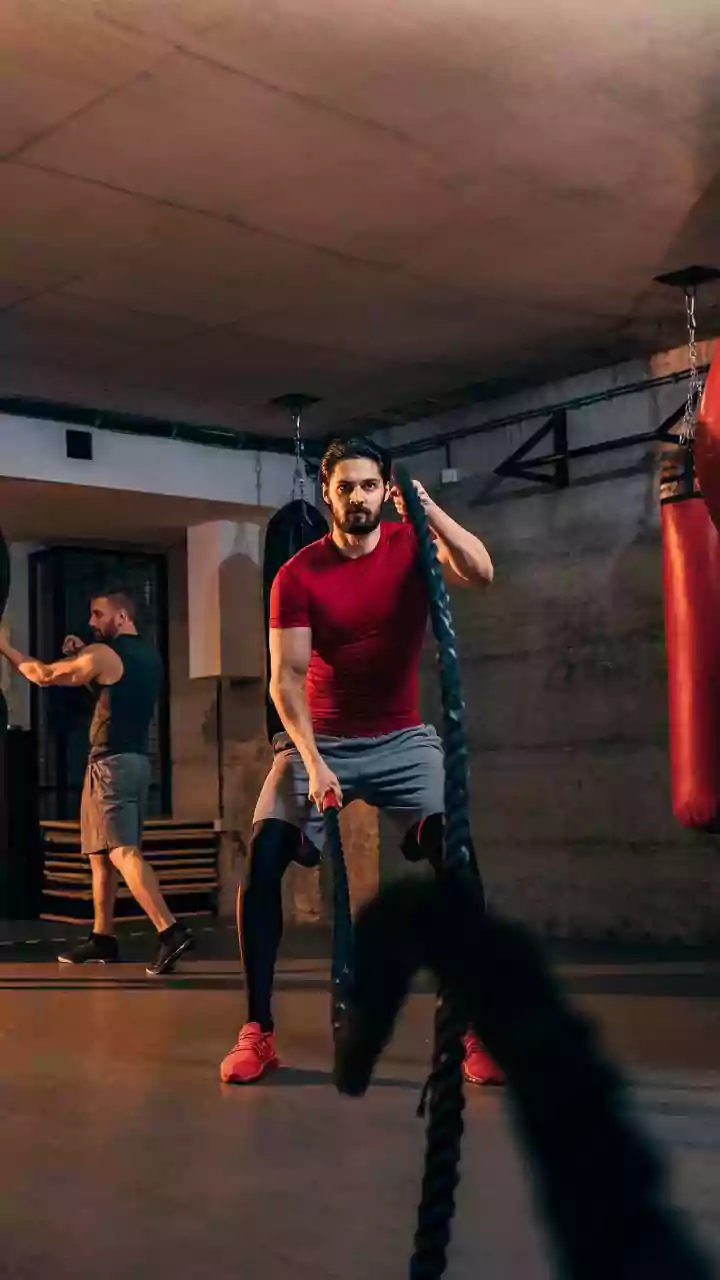
To reap the benefits without risking injury, proper form is essential. Always warm up before starting. Adopt a staggered, athletic stance with your feet about shoulder-width apart for a stable base. Lean back, keeping your spine straight and your core engaged, allowing your body weight to do much of the work. Focus on driving with your legs rather than pulling solely with your arms and back. One critical safety tip is to never wrap the rope around your hands or wrists, as this can cause serious injury if the rope slips or you lose your footing. A firm, over-under grip is much safer. If training with a partner, you can turn it into a controlled drill where one person acts as an anchor, providing steady resistance rather than an all-out pull.