


The Situation on the Ground
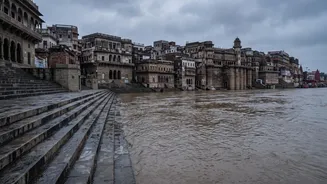
As of early September, the Ganga's water level in Varanasi has surpassed the designated warning level of 70.26 meters (about 230.5 feet). Reports on Thursday, September 3rd, clocked the level at 70.54 meters and rising at a rate of about two centimeters
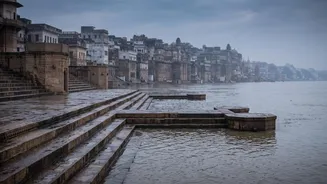
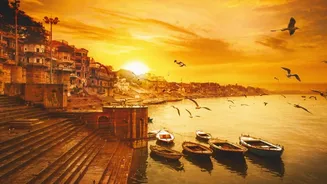
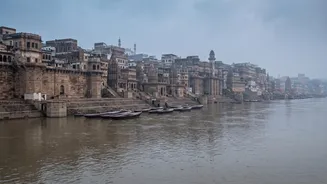
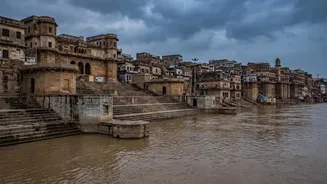
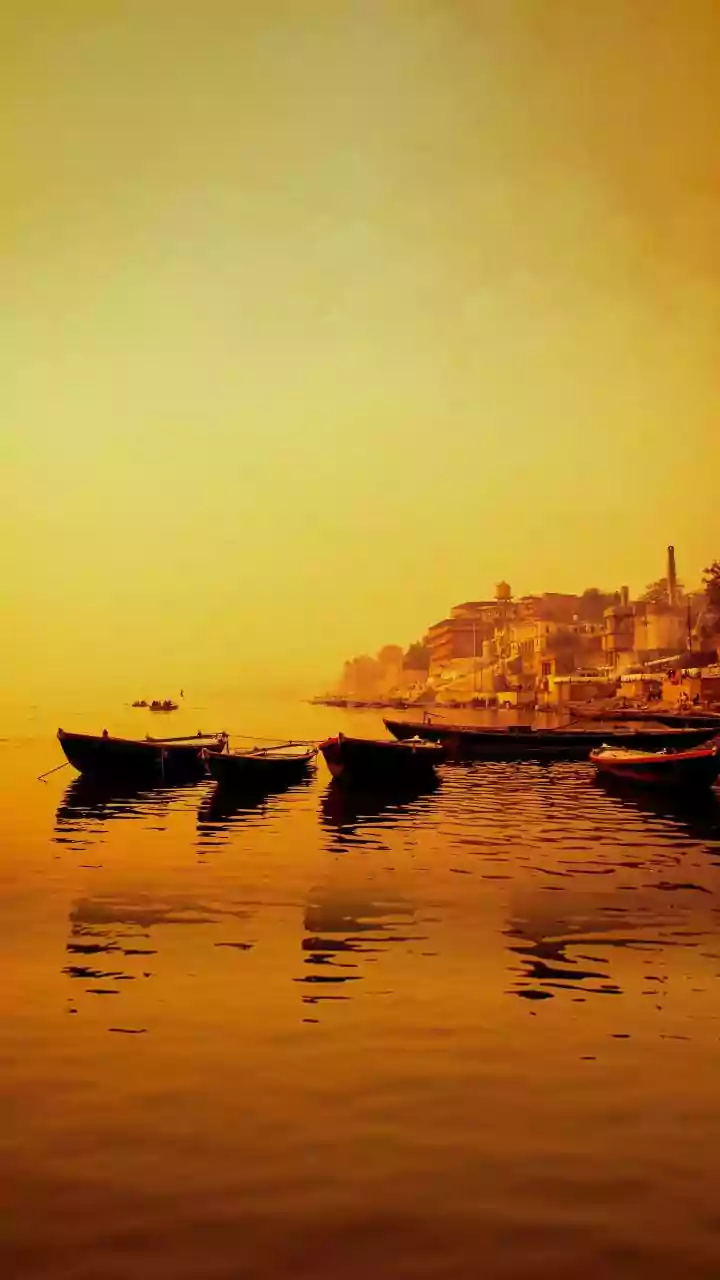
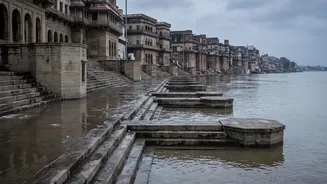
per hour. While this is still below the official "danger mark" of 71.26 meters, the rising tide has already had a dramatic impact. The city's iconic ghats—the long stretches of steps leading down to the water—are submerged, severing the connection between the city and its riverine heart. The government has suspended all boat operations for safety and urged residents and pilgrims to stay away from the riverfront due to strong currents.
When Ancient Rituals Meet Modern Crisis
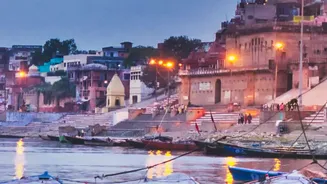
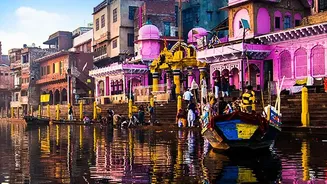
Varanasi is one of Hinduism's holiest cities, where rituals related to life and death are performed daily on the river's banks. The flooding has thrown these ancient traditions into disarray. The world-famous evening "Ganga Aarti" ceremony at Dashashwamedh Ghat has been forced to move from its traditional spot to higher ground, sometimes even onto rooftops. More critically, the city's main cremation grounds, Manikarnika and Harishchandra Ghats, are partially or fully underwater. This has forced grieving families to perform last rites in constricted spaces, on nearby rooftops, or in crowded alleyways, creating long and distressing waits. The inundation of the ghats disrupts not only spiritual life but also the local economy, affecting thousands of vendors, priests, and boat operators who depend on the river for their livelihood.
The Official Response
With the river rising and more rain in the forecast, authorities are on high alert. The district administration, along with the National Disaster Response Force (NDRF), is actively monitoring the situation. They have established dozens of relief camps to house displaced families, particularly those affected by flooding from the Varuna river, a tributary of the Ganga. As of September 2nd, hundreds of families had already been moved to these camps, where officials are working to provide food, clean water, and medical care. Prime Minister Narendra Modi, who represents Varanasi in Parliament, has been in contact with local officials to oversee the relief efforts and ensure assistance reaches those affected.
A Recurring Problem with New Urgency
Monsoon flooding is an annual reality for Varanasi, but the challenges are mounting. This latest event highlights the city's vulnerability as it navigates the pressures of climate change, upstream water management from dams, and rapid urban development in a historically rich landscape. The water has entered low-lying residential areas, affecting thousands of people and bringing daily life to a standstill in some neighborhoods. Each flood forces a difficult conversation about the future: How can an ancient city, built around a powerful river, adapt to more frequent and intense weather events while preserving its unique cultural heritage? For now, the focus is on immediate safety and relief, but the long-term question of resilience hangs heavy in the moist air.