

The Golden Rule: Layering is Everything
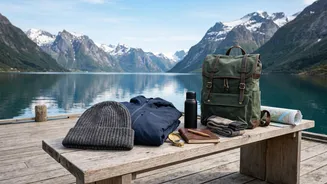
There's a well-known Norwegian saying: 'There's no such thing as bad weather, only bad clothing'. This philosophy is the key to a successful trip. Instead of packing heavy, single-purpose items, think in a three-part system that you can adapt on the fly.
Start with a base layer, ideally made of merino wool or a synthetic fabric that wicks moisture away from your skin. Cotton should be avoided as it traps dampness and can leave you feeling cold. Next, add a mid-layer for insulation, such as a fleece or a classic wool sweater. Finally, top it all with a waterproof and windproof outer shell jacket, preferably with a good hood. This trio will see you through windy ferry rides along a Norwegian fjord, sudden rain showers in a Swedish forest, and chilly evenings even in the middle of summer.
Coastal versus Inland Climates
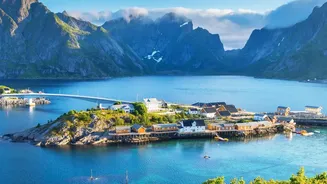
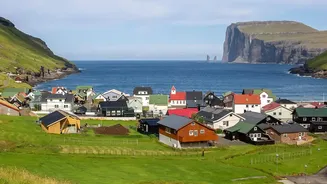
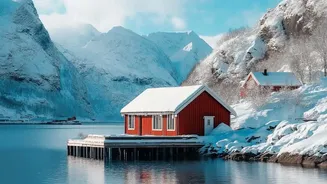
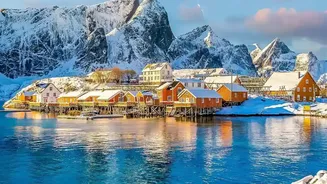
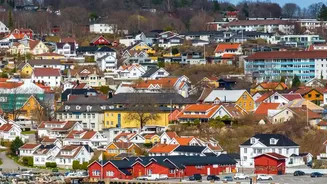
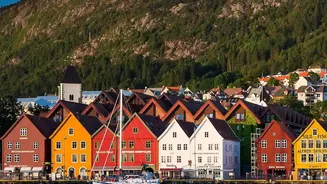
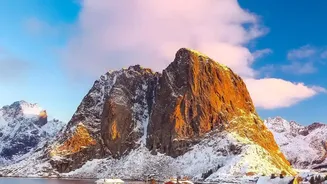
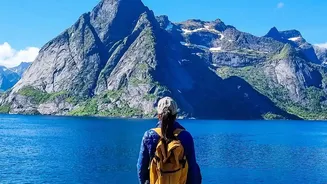
Not all Nordic towns are created equal when it comes to weather. The climate can change dramatically depending on whether you're on the coast or further inland. Coastal towns, like those in Norway's Lofoten Islands or Denmark's shores, benefit from the moderating effects of the Gulf Stream, which makes winters milder than their latitude would suggest. However, they are also prone to wind, sea fog, and sudden rain. Inland towns, particularly in Sweden and Finland, often experience more extreme temperatures—colder, crisper winters and potentially warmer, calmer summers. For example, a summer day in a sheltered valley in inland Norway might be surprisingly warm, while a coastal town just a short drive away could be cool and breezy. Always check local forecasts using reliable apps like YR.no, which is popular across the region.
What to Expect in Summer and Autumn
Summer (June-August) in the Nordics is a season of light, with long days and the famous midnight sun in northern regions. Temperatures can be pleasant, sometimes reaching into the 20s Celsius, but locals often refer to it as a 'green winter'. A warm, sunny morning can easily give way to a cool, overcast afternoon. In addition to your layering system, pack shorts, t-shirts, and sunglasses, but never leave your warm jumper and waterproof jacket behind. An eye mask is also a useful accessory for sleeping during the bright nights.Autumn (September-October) brings beautiful foliage but also a return to more unsettled weather. The days grow shorter, and temperatures drop. This 'shoulder season' is a great time to visit to avoid summer crowds, but preparedness is crucial. Waterproof trousers become more of a necessity, along with warm woollen socks, gloves, and a hat. It's a season for brisk walks followed by cozying up in a café.
Navigating Winter and Spring
Winter (November-March) transforms much of the region, especially away from the southern coasts. In smaller towns in Finnish Lapland or the Swedish interior, you can expect deep snow and temperatures that drop well below freezing. Proper winter boots with good grip are non-negotiable, as are thermal base layers, heavy wool socks, and an insulated, waterproof outer jacket. But winter also brings the magic of the Northern Lights and a cozy, festive atmosphere.Spring (April-May) is a season of awakening. Snow melts, waterfalls swell, and flowers begin to bloom. However, the weather remains highly unpredictable. It's a time of transition where you might experience winter, spring, and a hint of summer all in one trip. Layering remains essential, as mornings can be frosty while afternoons might feel pleasantly mild and sunny.
Embrace the 'Friluftsliv' Mindset
Beyond just packing the right gear, the best way to handle Nordic weather is to adopt the local mindset. The concept of 'friluftsliv', which translates to 'open-air living', is a core part of the culture. It's a commitment to spending time and being active outdoors, regardless of the weather forecast. Instead of letting a rain shower or a chilly wind ruin your plans, locals simply dress for the conditions and carry on, whether it's hiking, walking through town, or even having a coffee outside. By preparing for the elements, the weather stops being an obstacle and instead becomes part of the authentic Nordic experience you came to enjoy.