
What Happened Over India?
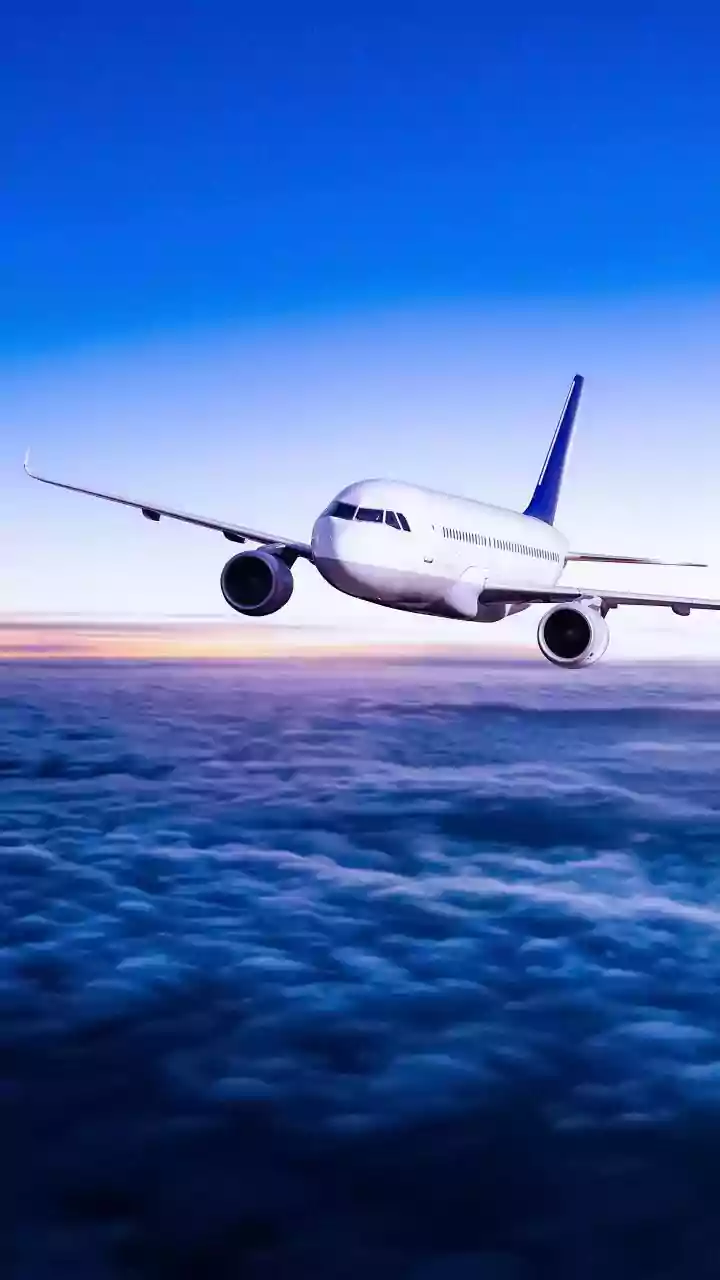
On August 4, 2026, Air India flight AI2379 was cruising at altitude when it suddenly encountered a pocket of severe clear-air turbulence. The event was so abrupt that the aircraft experienced a rapid altitude change, reportedly around 300 feet. For those
inside the cabin, the effect was terrifying. Passengers and crew who were not buckled in were thrown against the cabin ceiling, resulting in injuries for 13 passengers and four crew members. Passenger accounts describe a chaotic scene where many were sleeping before being violently jolted. The incident highlights how turbulence injuries are often not caused by a failing aircraft, but by passengers being unsecured within a perfectly sound one.
The Invisible Danger: Clear-Air Turbulence
While many associate turbulence with storm clouds, the most dangerous type is often the kind you cannot see. Clear-air turbulence, or CAT, is the turbulent movement of air masses that occurs without visual clues like clouds. It is typically found at high altitudes (above 15,000 feet) and is often associated with jet streams — fast-moving rivers of air. CAT is caused by wind shear, which is a significant difference in wind speed or direction over a short distance. Because it's not visible on weather radar, pilots can have little to no warning before flying into it, making it particularly hazardous for unprepared passengers and crew.
The Golden Rule: Keep Your Seatbelt Fastened
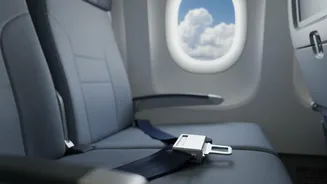
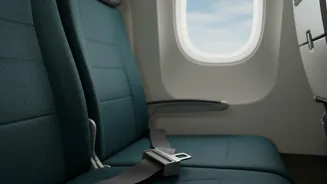
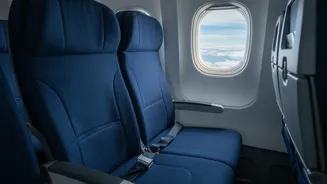
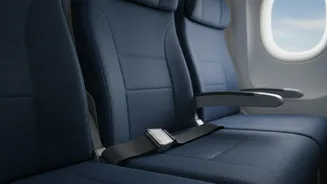
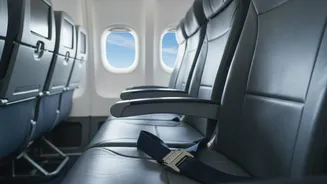
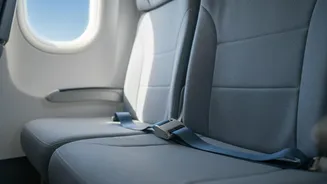
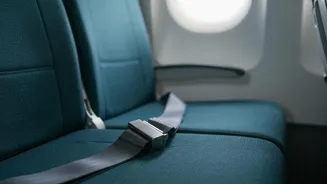
Aviation experts and regulatory bodies like the FAA are unanimous in their most important piece of advice: keep your seatbelt fastened whenever you are seated. While the seatbelt sign legally requires you to buckle up during taxi, takeoff, and landing, nearly all turbulence-related injuries happen to people who are unbelted during the cruise portion of the flight. An airplane is built to withstand extreme turbulence, but a human body is not designed to be thrown into a ceiling or solid object at high velocity. A simple lap belt is the single most effective device to prevent this, keeping you anchored in your seat during sudden upward or downward jolts. Think of it less as a suggestion and more as your personal, non-negotiable safety net.
Beyond the Belt: Other Smart Precautions
While fastening your seatbelt is paramount, other small actions can enhance your safety and peace of mind. First, pay attention to crew instructions; if they ask everyone, including themselves, to sit down, take it seriously. Second, secure heavy items in the overhead bin or under the seat in front of you. A loose laptop or camera can become a dangerous projectile in severe turbulence. Third, consider your footwear. Keeping shoes on, especially during takeoff and landing, can protect your feet if you need to move through a debris-strewn cabin. Finally, if you're a nervous flier, try to stay calm with breathing exercises and remember that the plane is designed to handle the bumps. Choosing a seat over the wings may also provide a slightly smoother ride.
A Bumpier Future?
The conversation around turbulence has grown as recent studies suggest incidents may be increasing. Research from the University of Reading indicates that severe clear-air turbulence has already increased significantly over the past four decades, a trend linked to climate change. As atmospheric temperatures rise, it can increase the wind shear in jet streams that causes CAT. This doesn't mean flying will become unsafe. Aircraft are incredibly robust and aviation authorities are constantly improving forecasting. But it does mean the passenger's role in their own safety — primarily through seatbelt compliance — becomes even more essential.