





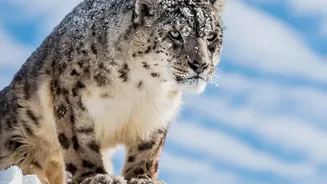
A New Chapter in Responsible Tourism
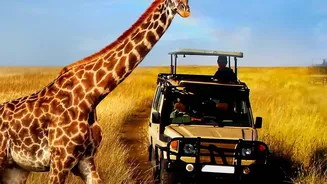
In a significant move for wildlife tourism, the Ladakh administration has officially launched India's first high-altitude wildlife safari. The first phase, flagged off in early October 2026, focuses on providing guided tours in specially designed, open-back
vehicles. This initiative, run by the SHAN Society in collaboration with the Forest Department, aims to regulate tourism, prevent illegal off-roading that disturbs wildlife, and create sustainable livelihoods for local communities by training them as guides and drivers. For years, snow leopard tracking relied on informal arrangements. This new, structured approach gives travellers a clearer and more dependable way to experience Ladakh's incredible fauna while contributing directly to conservation and the local economy.
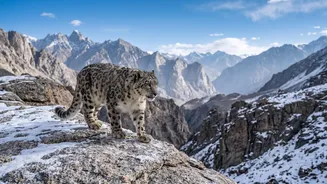
Where to Spot the 'Ghost of the Mountains'
Ladakh is rightly known as the snow leopard capital of the world, home to an estimated 477 of India's 718 individuals. The initial phase of the guided safaris will operate in Rumbak, Shang, and Ulley, all areas renowned for frequent sightings. Hemis National Park, the largest national park in India, remains the epicentre of snow leopard activity. For decades, the valleys within and around the park, such as those near Ulley village, have been the go-to locations for trackers. The new government programme plans to eventually identify and expand routes into other promising areas, including the Changthang and Karakoram Wildlife Sanctuaries, and even parts of Nubra, Zanskar, and Kargil.
The Ideal Time: A Winter Quest
Unlike most tourist activities in Ladakh that peak in summer, the prime window for a snow leopard safari is the harsh winter, from late November to March. During these cold months, the snow leopard's primary prey, such as the bharal (blue sheep) and ibex, descend to lower, more accessible valleys in search of food. The elusive cats follow them down, significantly increasing the chances of a sighting. January and February are often considered peak months due to the cold concentrating wildlife in the valleys, making them easier to track. While temperatures can plummet to -20°C or lower, the stark, snow-covered landscape makes the perfectly camouflaged leopards slightly easier to spot against the terrain.
What to Expect on the Trail
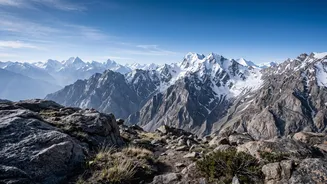
A snow leopard safari is not a typical jeep ride through a park. It is an active expedition that demands patience and a good level of physical fitness. The experience involves spending long hours in the cold, scanning rocky ridges with binoculars and high-powered spotting scopes under the guidance of expert local trackers. Days start early, as the cats are most active around dawn and dusk. The search involves a combination of driving to strategic vantage points and trekking on foot across high-altitude terrain, often around 13,000 feet or higher. A sighting is never guaranteed, but the expertise of local guides, who can read tracks and signs, makes it a rewarding pursuit. The journey is as much about immersing yourself in the silent, majestic Himalayan winter as it is about the final prize.
Preparation is Key
Proper acclimatisation to Ladakh's high altitude is the most critical first step. Most itineraries rightly dedicate the first two or three days in Leh (at 11,500 feet) to this process before heading to even higher elevations. Physically, you should be prepared for moderate hiking in extreme cold. Packing appropriately is crucial. Your gear should include multiple thermal layers, insulated and waterproof outerwear, sturdy and warm trekking boots, a good quality hat, gloves, and sunglasses. Since much of the time is spent waiting and watching, carrying extra warmers and a thermos with a hot drink can make a huge difference. Accommodation often involves a mix of hotels in Leh and traditional, increasingly comfortable homestays in the villages, which offer a wonderful cultural immersion.