








A Plant of Beauty and Danger
Datura, known by names like thornapple or devil's trumpet, holds a unique place in Indian culture. It is often associated with religious rituals, particularly as an offering to Lord Shiva. However, this cultural significance belies a serious danger: all
parts of the Datura plant are highly toxic. They contain powerful alkaloids like atropine and scopolamine, which can cause severe poisoning if ingested. Symptoms can range from delirium and hallucinations to respiratory depression, and in some cases, death. The plant's long history as both a ritualistic element and a known poison creates a complex challenge for regulators and the public alike.
Why Karnataka Is Taking Action Now
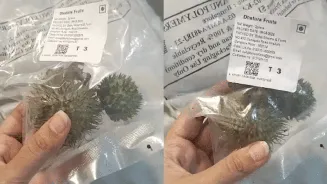
The Karnataka Food Safety and Drugs Administration (KFSDA) has suspended the food licences of e-commerce giants Amazon, Swiggy Instamart, and BigBasket. The move, initiated on Monday, came after departmental probes found that Datura fruits and seeds were being sold on these platforms for human consumption. To make matters worse, some of these toxic products were being sold with Food Safety and Standards Authority of India (FSSAI) registration numbers, creating a false sense of security for consumers. The KFSDA Commissioner, Srinivas K, issued an order stating that Datura cannot be sold or distributed as a food product under existing food safety laws due to the grave risk it poses to public health.
E-Commerce Platforms Under Scrutiny
The government's order directs the platforms to immediately remove all listings and advertisements for Datura intended for human consumption. They must also stop the sale and distribution of these products and submit compliance reports. The action isn't limited to the platforms themselves; the food licences of the third-party vendors and establishments supplying Datura to these online marketplaces have also been suspended. In response to the authorities, BigBasket stated it had already halted sales and would update labels to clarify the product is "not for human consumption." However, the regulator found the responses from the companies unsatisfactory given the severity of the risk.
A Murky Regulatory Landscape
The sale of Datura occupies a legal grey area. While the plant grows wild and is used for religious purposes, selling it as a food item is illegal under the Food Safety and Standards Act, 2006. The government's action highlights the difficulty in policing online marketplaces, where sellers can easily list products with inadequate descriptions or warnings. Experts have pointed out that even when supplied for religious reasons, the product should carry clear warnings that it is not edible. The current crackdown is a firm step towards clarifying that accountability for public safety extends to the digital shelf.
A Potential Wake-Up Call for India
Karnataka's decisive action could serve as a precedent for other states grappling with the unregulated sale of potentially harmful substances online. The case brings to light the broader challenge of monitoring millions of products sold by third-party sellers on large e-commerce platforms. It raises critical questions about platform liability and the need for more stringent checks and balances to prevent toxic items from being marketed as food. This incident is becoming a test case for how to balance cultural practices with consumer safety in the age of digital commerce, and the outcome will likely influence e-commerce regulations across the country.