



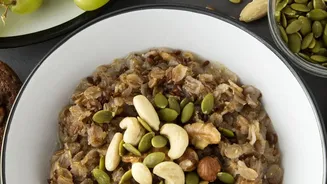
Meet Amaranth: The Ancient Grain-Like Seed
Though it's technically a seed, amaranth cooks and tastes much like a grain, making it a fantastic gluten-free alternative to oats or cream of wheat. This tiny powerhouse is celebrated for its impressive nutritional profile; it's a great source of plant-based
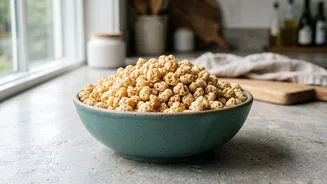
protein, fibre, iron, magnesium, and manganese. When cooked, amaranth transforms from a tiny, hard seed into a creamy, porridge-like consistency with a subtle nutty flavour and a unique 'pop' texture. Its ability to absorb flavours makes it an ideal canvas for a breakfast bowl, providing a hearty and nutritious start that keeps you feeling full and satisfied.
Dates: Nature's Caramel Sweetener
Moving away from refined sugars is easier than you think, and dates are a perfect substitute. These sweet, chewy fruits are packed with fibre and essential minerals like potassium and magnesium. Their rich, caramel-like taste adds a deep, natural sweetness to any dish. For breakfast bowls, the best way to incorporate dates is by creating a simple date paste. All you need to do is soak pitted dates in warm water for about 10-15 minutes until they soften. Then, blend them with a small amount of the soaking water until you achieve a smooth, jam-like consistency. This paste can be stored in the fridge and stirred directly into your porridge, providing sweetness and extra creaminess.
How to Cook Perfect Amaranth Porridge
Cooking amaranth is simple, but a few tips ensure a perfect, creamy result every time. First, it's a good idea to rinse the amaranth in a fine-mesh sieve under cool water until the water runs clear; this removes any potential bitterness. The general ratio for a creamy porridge is one part amaranth to about three parts liquid. You can use water, milk, or a plant-based milk of your choice. Combine the rinsed amaranth and liquid in a saucepan and bring it to a boil. Then, reduce the heat to low, cover the pot, and let it simmer for 20-25 minutes, stirring occasionally to prevent it from sticking. The porridge is ready when the liquid is absorbed and the seeds are tender. For extra flavour, you can add spices like cinnamon or cardamom during cooking.
Assembling Your Breakfast Bowl
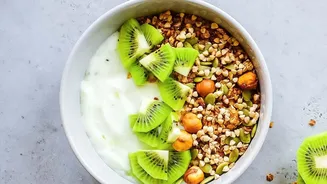
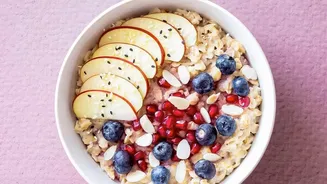
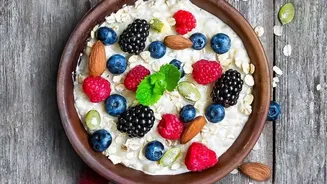
Once your amaranth porridge is cooked and sweetened with date paste, the fun begins. Building a great breakfast bowl is all about layering flavours and textures. Start with the warm amaranth porridge as your base. Next, add your choice of fresh or cooked fruit; sliced bananas, fresh berries, or stewed apples are all excellent options. For a bit of crunch and healthy fats, sprinkle on some chopped nuts like walnuts or almonds, or seeds like chia, flax, or pumpkin seeds. A dollop of yoghurt or nut butter can add extra creaminess and protein. Don't be afraid to experiment with different combinations to find what you love. The goal is a balanced bowl that is as visually appealing as it is delicious.
Tips for Success and Variations
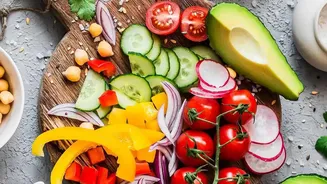
To elevate your breakfast bowl, consider toasting the dry amaranth in the saucepan for a minute before adding liquid to enhance its nutty flavour. If your porridge becomes too thick as it cools, simply stir in a splash of warm milk until it reaches your desired consistency. While Medjool dates are often preferred for their soft texture and sweetness, any variety will work for making date paste—just be sure to soak firmer dates a bit longer. For a savoury twist, skip the dates and cook the amaranth in vegetable broth, then top it with a fried egg, avocado, and sautéed greens for a completely different but equally satisfying meal.