
What is Modular and Standardised Design?
Think of it like building with high-tech Lego blocks instead of mixing concrete on-site. Modular construction involves manufacturing large components of a structure—like sections of a bridge, tunnel linings, or station elements—in a factory. These finished
'modules' are then transported to the construction site and assembled. This is a significant departure from traditional methods where most of the work happens on-site, exposed to weather and other variables. Coupled with this is the push for standardisation. Based on the experience from the ongoing Mumbai-Ahmedabad corridor, the National High Speed Rail Corporation Limited (NHSRCL) is developing a 'design library' for all future projects. This means a viaduct, bridge, or tunnel design that works on one route can be quickly adapted for another, eliminating the need to reinvent the wheel every time.
The Push for Speed and Quality
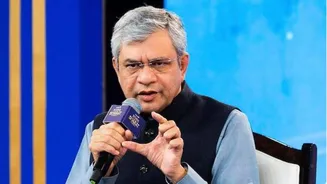
The primary drivers for this strategic shift are speed, quality, and cost-efficiency. Modular construction can slash project timelines by as much as 50% because foundation work on-site can happen at the same time as components are being built in a factory. For a country planning seven new high-speed rail corridors spanning nearly 4,000 kilometres, this acceleration is critical. Railway Minister Ashwini Vaishnaw has stated that proven, modular designs will enable faster project execution. Furthermore, manufacturing in a controlled factory environment ensures much higher and more consistent quality control compared to on-site work. This standardisation is deemed essential for ensuring safety, uniform construction standards, and simpler maintenance across the entire bullet train network.
Building an Entire Ecosystem
This move is about more than just building railways faster; it's about building a domestic industry. By creating a standardised set of designs, the government is laying the groundwork for a robust 'Make in India' manufacturing ecosystem. Indian companies can invest in factories to mass-produce these standardised components, from girders and track slabs to parts for stations. This not only reduces dependence on imported technology but also fosters domestic engineering capabilities and creates skilled jobs. NHSRCL is working with top technical institutes like the IITs to develop these indigenous standards, ensuring they are suited for Indian environmental and social conditions. The goal is to transition India from a technology buyer to a global manufacturing hub for advanced railway systems.
From Blueprint to Reality
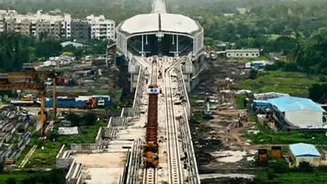
The lessons learned from the 508-km Mumbai-Ahmedabad High-Speed Rail (MAHSR) project are the blueprint for this new national strategy. With the first section of this corridor targeted for an August 2027 launch, the experience gained in everything from pier and girder installation to tunnel boring is now being codified into a master plan. The seven new proposed corridors, including key routes like Mumbai-Pune, Delhi-Varanasi, and Chennai-Bengaluru, will be the first beneficiaries of this standardised approach. While challenges like logistics for transporting massive modules and the initial capital investment for factories exist, the long-term vision is clear. India is not just building individual train lines but creating a replicable, high-quality, and indigenously-powered template for the future of its national infrastructure.