




Understanding GLP-1 Medicines
GLP-1 receptor agonists, sold under brand names like Ozempic and Wegovy, have become incredibly popular tools for weight management. These medications work by mimicking a natural gut hormone that tells your brain you're full, slows down how quickly your stomach
empties, and helps regulate blood sugar. The result is a significantly reduced appetite, which leads to lower calorie intake and, consequently, weight loss. For many, this quiets the constant “food noise,” making it easier to manage their weight. However, this powerful effect on appetite is also why the quality of your food choices becomes more important than ever.
The Danger of Losing the Wrong Weight
When you lose weight rapidly with a reduced appetite, you don't just lose fat. A significant portion of the weight lost can be lean muscle mass. Some studies suggest that up to 40% of weight lost on these treatments can come from muscle. Losing muscle is detrimental to long-term health. It slows down your metabolism, making it harder to keep the weight off if you stop the medication. It also affects your strength, stability, and overall physical function. The goal of healthy weight management is to lose excess fat while preserving as much muscle as possible, and that’s where nutrition plays a starring role.
Make Every Bite Count
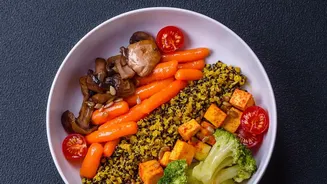
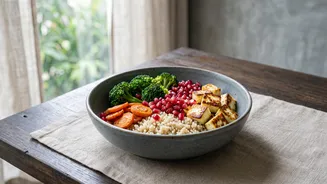
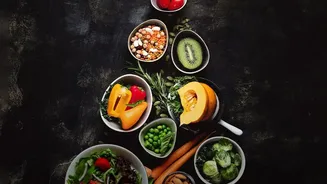
With a smaller appetite, your body has fewer opportunities to get the essential nutrients it needs to function. This means that every meal and snack needs to be as nutrient-dense as possible. Think of it as a quality-over-quantity approach. You can't afford to waste your limited appetite on empty calories from sugary drinks or heavily processed foods. Instead, the focus must shift to foods that provide protein, fibre, vitamins, and minerals to support your body's needs, manage potential side effects like nausea, and build sustainable healthy habits.
Protein: Your Muscle's Best Friend
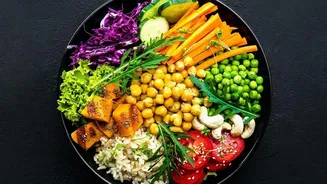
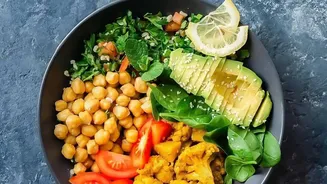
To combat muscle loss, protein is the single most important nutrient to prioritise. It provides the building blocks to repair and maintain muscle tissue. Experts recommend aiming for around 25 to 30 grams of protein with each meal. For those on a typical Indian diet, this means consciously including and prioritising sources like dal, paneer, chickpeas, eggs, fish, and lean chicken. Starting your meal with the protein source helps ensure you get it in before the medication makes you feel full. If meeting protein goals through whole foods is a struggle, a conversation with a doctor or dietitian about protein supplements might be beneficial.
Fibre, Healthy Fats, and Hydration
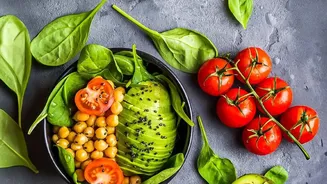
Beyond protein, a balanced intake of other nutrients is key. Fibre from vegetables, fruits, and whole grains is crucial for digestive health and can help manage constipation, a common side effect of GLP-1s. Lean protein, non-starchy vegetables, and whole grains should form the core of your diet. Small amounts of healthy fats from sources like avocados, nuts, and olive oil are also important for absorbing certain vitamins and providing sustained energy. It's also vital to avoid high-fat, greasy, or overly sugary foods, as they can worsen gastrointestinal side effects like nausea. Finally, staying well-hydrated is essential for overall health and can help minimise side effects.
Building a Foundation for the Future
These medications are a powerful tool, but they may not be a lifelong solution for everyone. Experts stress the importance of using the time on GLP-1s to establish healthy eating patterns that can be maintained long-term. By focusing on a high-quality, nutrient-rich diet while on the medication, you are not just optimising your health during treatment; you are building a foundation for sustained weight management and well-being for the future, whether you continue the medication or not.