



The Final Offering at Dawn
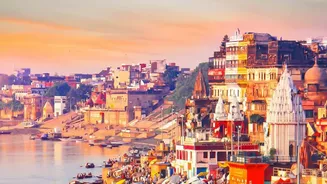
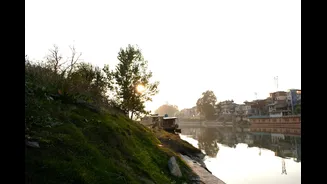
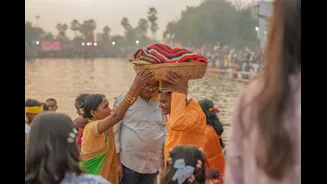
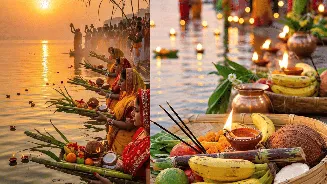
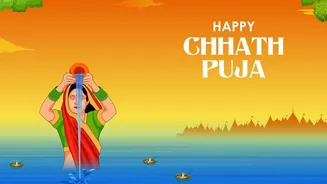
The four-day Chhath festival concluded this morning with the 'Usha Arghya', or the morning offering to the rising sun. Before dawn, devotees, known as 'vratis', gathered at rivers, ponds, and other water bodies. Standing waist-deep in the cold water,
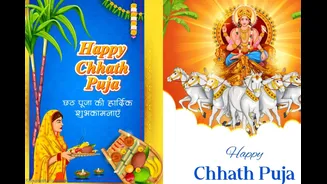
they offered prayers and arghya (offerings of water and milk) to Lord Surya, the Sun God, as he appeared on the horizon. Bamboo baskets, or 'soops', were filled with prasad including thekua (a traditional sweet), fresh fruits, and sugarcane, which were raised towards the sky in a gesture of profound gratitude. This ritual signifies a welcome to the new day and a thanksgiving to the sun for sustaining all life on Earth.
A Four-Day Journey of Austerity
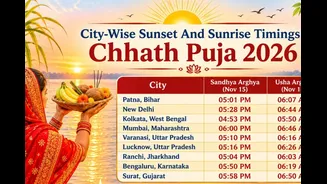
The morning's ritual was the culmination of an arduous four-day observance that began on November 13 with 'Nahay Khay' (bathe and eat). This first day involves a holy dip and preparing a simple, pure vegetarian meal. The second day, 'Kharna', requires a day-long fast broken briefly after sunset, which then begins a strict 36-hour 'nirjala' fast, where the vrati abstains from both food and water. The third day is marked by 'Sandhya Arghya', the evening offering to the setting sun. This unique practice of worshipping both the setting and rising sun is a key feature of Chhath, symbolising reverence for the entire solar cycle.
Gratitude, Purity, and Nature's Worship
At its core, Chhath Puja is an expression of deep gratitude to the Sun God for life, energy, and prosperity. The festival also honours Chhathi Maiya, the sister of Surya, who is revered as the protector of children and a bestower of health and longevity. The emphasis on purity is paramount throughout the festival, with homes meticulously cleaned and the prasad prepared in a sanctified environment. The offerings themselves—unprocessed fruits and grains—reflect a profound respect for nature. Unlike many Hindu festivals, Chhath involves no idol worship at the ghats; the worship is directed at nature itself.
The Ritual of Breaking the Fast
Following the 'Usha Arghya', the most anticipated moment for devotees is 'Parana', the breaking of the 36-hour fast. After completing the morning prayers and seeking blessings from elders, the vratis break their fast, typically with a piece of ginger and water, followed by the prasad offered to the deity. This moment is not just a physical relief but a spiritual closure, signifying the successful completion of their rigorous penance. The prasad is then distributed among family, friends, and neighbours, reinforcing the community bonds that are central to the festival.
A Confluence of Faith and Community
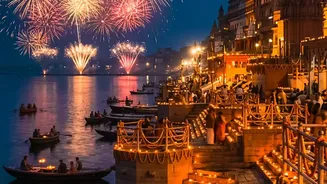
While originating in Bihar, Jharkhand, and eastern Uttar Pradesh, Chhath Puja is now a significant festival celebrated by communities across India and globally. The ghats become a vibrant tapestry of shared faith, where families come together, sing traditional folk songs, and support the vratis. The sight of thousands of devotees standing together in prayer, with the air filled with the sounds of hymns and the glow of earthen lamps, creates an atmosphere of pure devotion. The festival's conclusion brought a sense of peaceful fulfilment, with security and volunteer organisations ensuring the large gatherings proceeded smoothly.