


The Great Coffee Migration
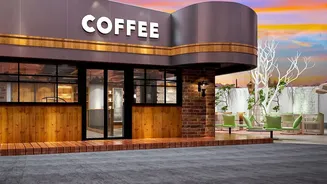
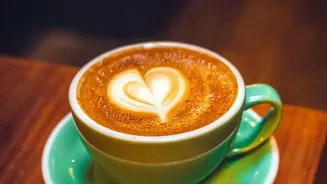
For years, the story of specialty coffee in India was written in the bustling lanes of Mumbai, Bengaluru, and Delhi. But the script is changing. A growing number of artisanal and chain coffee brands are now planting their flags in Tier 2 and Tier 3 cities,
from Jaipur and Lucknow to Chandigarh and Indore. This isn't a tentative dip into new waters; it's a strategic pivot. Brands like Starbucks, Blue Tokai, and Third Wave Coffee Roasters are aggressively expanding their footprints into these emerging markets. The headline-making claim by Pour Over Coffee Roasters, a specialty brand that launched in 2025 with outlets from Delhi to Goa, crystallizes this sentiment: the real action is no longer just in the big cities. Their founder, Ritika Sharma, notes that the biggest untapped opportunity lies where a digitally-savvy, aspirational consumer base is waiting for better coffee to arrive.
The Saturated Metropolis Problem
The push into smaller cities is driven by a simple reality: India's major metros are becoming crowded and expensive. With countless cafes fighting for the same customers, high rents, and compressed margins, the cost of acquiring and retaining a coffee drinker has soared. In Mumbai, Delhi, or Bengaluru, the supply of specialty coffee shops is threatening to outpace demand. In contrast, smaller cities offer what business strategists call 'white space'. They present a market with rising disposable incomes, growing aspirations fueled by social media, and a relative lack of competition. For chains like Third Wave Coffee and Blue Tokai, which are planning to add hundreds of new stores, these emerging hubs are not just an option but a necessity for sustainable growth.
What Drives the New Coffee Consumer?
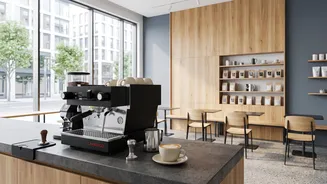
Several factors are fueling this shift from the consumer side. The post-pandemic rise of remote work means more young professionals are living and working outside the traditional Tier 1 hubs, bringing their global tastes with them. There's also a generational change at play; younger Indians who have traveled or studied in larger cities are returning home with a developed palate for high-quality coffee. This creates a ready-made audience. Furthermore, a brand's presence in a smaller city is an event. It generates buzz and becomes a community hub in a way that's harder to achieve in a saturated metro. In cities like Jaipur, cafes are becoming lively social spaces filled with conversation, a contrast to the laptop-and-headphone culture often seen in big-city coffee shops.
Adapting to the Local Palate
Success in this new frontier isn't guaranteed by simply copy-pasting a metro model. Brands are learning that they must adapt. Price sensitivity is a major factor; while aspiration is high, disposable incomes are still generally lower than in metros. Chains like Nothing Before Coffee (NBC) have built their entire model on affordability, offering quality coffee at prices that challenge premium incumbents. Pour Over Coffee Roasters focuses on education, running public cupping sessions to help customers understand and appreciate the product, making quality feel accessible rather than intimidating. Others, like Starbucks, are localizing their menus with familiar offerings like South Indian filter coffee alongside their global staples to bridge the cultural gap. The goal is to build a new coffee culture, not just impose an existing one.
More Than Just a Drink
The arrival of these cafes signals more than just a new place to get a caffeine fix. It's a marker of economic and social change. The presence of a well-known coffee brand can boost the profile of a neighborhood, attract other businesses, and create jobs. For many, it represents an integration into global consumption patterns and a tangible sign of their city's growth. As these brands establish themselves, they are not just selling coffee; they are selling an experience, a 'third place' between home and work where community can form. This expansion is a powerful vote of confidence in the economic potential and cultural vibrancy of India's smaller cities.