



The Pressure of the Perfect Memory
Modern parenting often feels like a performance. The pressure to stage elaborate birthday parties, plan epic holidays, and fill weekends with expensive outings can be immense. We scroll through social media feeds showcasing highlight reels and wonder
if we’re doing enough. This constant drive for 'making memories' can be exhausting and, ironically, pull us away from the present moment. The focus shifts from authentic connection to producing an event. But research and family experts suggest a more sustainable and effective path to family closeness. It turns out that consistency often outweighs intensity when it comes to building a resilient and happy family unit.
Why Small, Consistent Rituals Work
Family rituals are predictable, meaningful activities that go beyond simple routines. While a routine is about getting things done, a ritual is about reinforcing connection. These repeated actions create a sense of stability, belonging, and shared identity that is crucial for a child's development. Studies show that predictable home environments help children feel safe and secure, reducing anxiety and stress. This feeling of security fosters emotional resilience and confidence. Over time, these small but intentional interactions become the very fabric of a family’s unique culture, providing comfort and a sense of normalcy, especially during times of change or stress. The magic isn't in the activity itself, but in the commitment to show up for each other consistently.
The Undeniable Magic of a Shared Meal
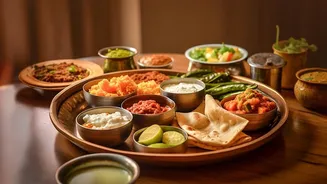
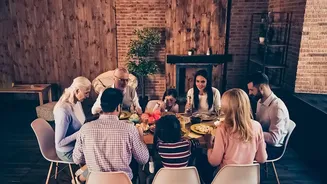
Among the most powerful yet simple traditions is the shared family meal. Decades of research highlight its profound benefits. Families who regularly eat together report stronger bonds and better communication. For children and adolescents, frequent family meals are associated with a host of positive outcomes, including better academic performance, higher self-esteem, healthier eating habits, and a lower risk of engaging in risky behaviours. The benefits extend to parents, too, who report lower levels of stress and depression when they share meals with their family. Even a few shared meals each week can provide a dedicated space to slow down, check in, and genuinely connect with one another away from the distraction of screens.
How to Weave Your Own Traditions
Starting a new tradition doesn't have to be complicated or expensive. The key is to choose something that reflects your family's values and interests. Involve your children in the process to get them excited and invested. A tradition can be as simple as having the same meal on the same day every week, like a 'Taco Tuesday' or 'Pizza Friday'. It could be a weekly walk after dinner, a Sunday morning pancake breakfast, or a monthly family game night. Another popular ritual is a daily check-in, where each person shares a high point and a low point from their day, fostering empathy and open communication. The goal is to create small pockets of guaranteed connection in your regular schedule.
It’s Never Too Late to Begin
If you feel like you've missed the opportunity to build these traditions, take heart. It's never too late to start. Families evolve, and so can their rituals. What works for a family with toddlers will be different from one with teenagers, and that's okay. The most important thing is intention. Start small with one manageable idea that you can realistically commit to. Don't aim for perfection; aim for presence. The beauty of these small traditions is that they accumulate over time, building a rich history of shared experiences and reinforcing the message that, no matter how busy life gets, you are a family that makes time for each other.