




What Exactly is a Destination Dupe?
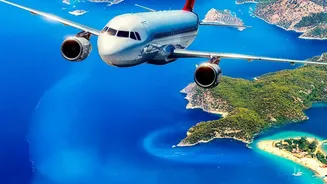
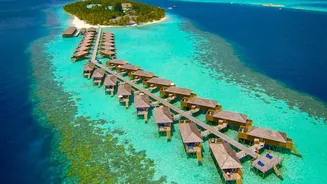
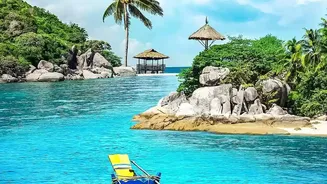
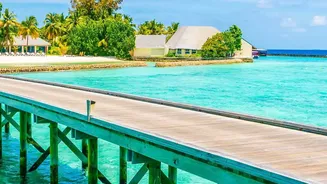
The term 'destination dupe,' borrowed from the beauty world, refers to a lesser-known travel spot that offers a similar atmosphere, landscape, or architectural charm to a world-famous (and often expensive) counterpart. Think swapping a famously crowded
and costly Greek island for a quieter, equally beautiful one nearby. The trend has gained enormous traction as savvy travellers look for more authentic and sustainable ways to explore, driven by a desire to avoid the crowds, inflated prices, and overtourism plaguing many iconic locations. It is less about finding an exact copy and more about capturing a specific feeling—be it romantic European streets, idyllic beaches, or historic charm—without the tourist traps and high costs.
The Real Financial Advantage
The primary motivator for many who choose a dupe is significant cost savings. A recent survey showed that travellers can save an average of over $2,000 per trip by opting for a dupe destination. These savings come from several areas. Accommodation is a major factor; one 2026 analysis found that nightly rates in dupe destinations can be up to 60% cheaper than their popular counterparts. For example, staying in Budva, Montenegro, is significantly cheaper than in Ibiza. Beyond hotels, daily expenses for food, activities, and local transport are often substantially lower due to lesser demand and a less commercialised environment. This allows your travel budget to stretch further, meaning you can stay longer, enjoy more experiences, or simply save money.
Instead of the Amalfi Coast, Try Puglia
The cliffside villages of the Amalfi Coast are stunning, but they come with extreme crowds and peak-season prices. For a similar vibe of Italian seaside charm, consider Puglia, the 'heel' of Italy's boot. With its own beautiful coastline, whitewashed towns like Ostuni, and incredible cuisine, Puglia offers a more relaxed and affordable experience. The region is known for its accessible beaches and historic towns that provide the same sense of discovery without the traffic jams and packed restaurants common on the Amalfi Coast during high season.
Swap Santorini for Paros or Milos
Santorini’s blue domes and sunsets are iconic, but the island is a prime example of overtourism, with high costs to match. The nearby Cycladic islands of Paros and Milos offer the same quintessential Greek experience—whitewashed villages, turquoise waters, and fresh seafood—at a fraction of the price. Paros, with its charming port of Naoussa, and Milos, with its unique coastline, provide a more authentic and peaceful atmosphere. You get the same stunning aesthetics and Cycladic culture without having to fight for a sunset spot.
Choose Slovenia's Ljubljana over Prague
Prague is a fairy-tale city, but its popularity means its historic centre is almost always crowded. For a similar Central European feel with charming bridges, a castle overlooking the city, and a vibrant cafe culture, Ljubljana, the capital of Slovenia, is a fantastic alternative. It's one of Europe's greenest and most liveable capitals, offering a relaxed pace while still delivering on beautiful architecture and history, often at a lower cost than its more famous counterparts.
How to Find Your Own Travel Dupe
Finding your own dupe is part of the adventure. Start by identifying what you truly want from a destination. Is it the architecture, the food, the beaches, or the nightlife? Once you know the 'vibe' you're after, look at a map for nearby, lesser-known regions. For example, instead of a capital city, explore the country's 'second city'. Travel blogs and social media hashtags like #DestinationDupes are full of suggestions from other travellers. By focusing on the experience rather than the famous name, you can uncover hidden gems that provide a richer, more personal, and far more affordable journey.