

A Jewel of the Changthang Plateau
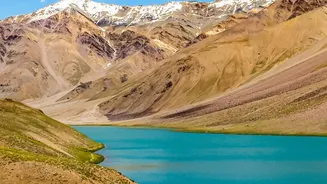
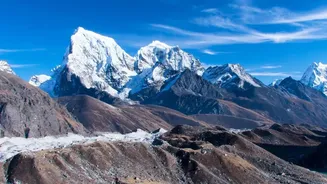
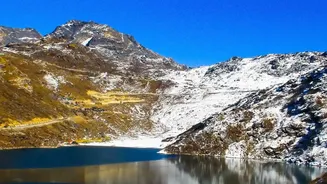
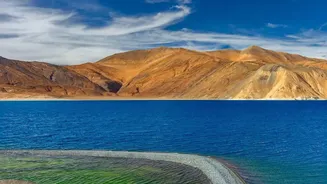
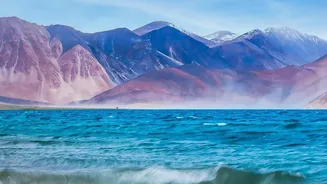
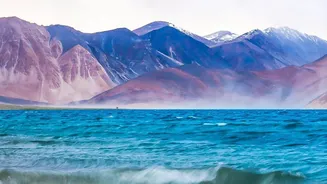
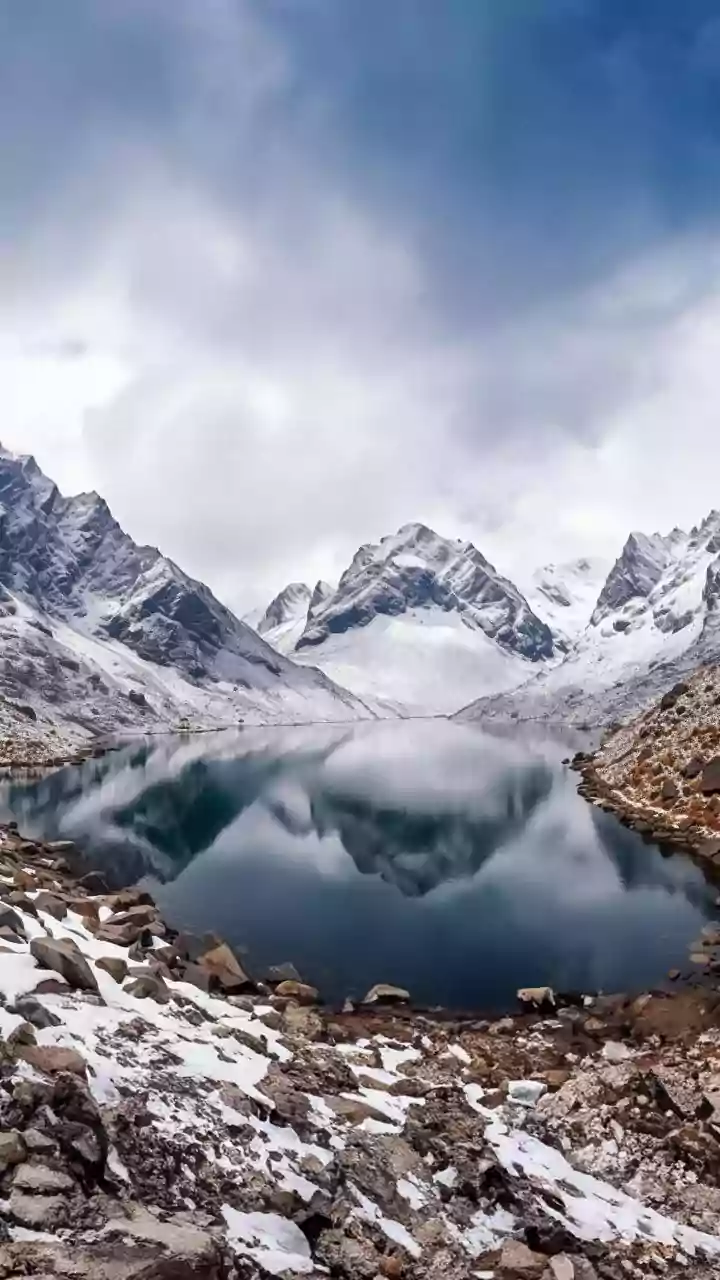
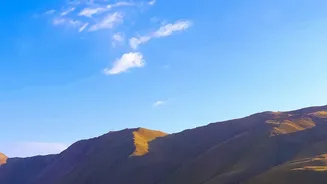
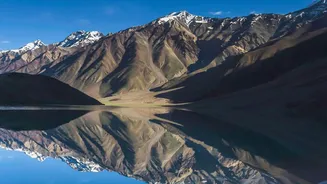
Tso Moriri, whose name translates to 'Mountain Lake', sits at a breathtaking altitude of over 4,500 metres (around 14,836 feet). Located in the vast, arid expanse of the Changthang plateau, it holds the distinction of being the largest high-altitude lake
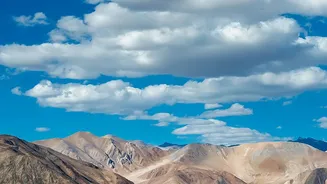
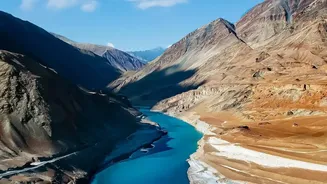
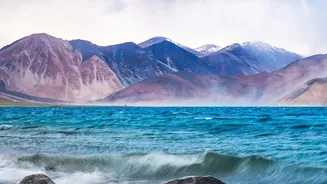
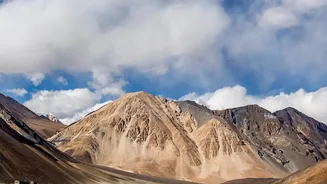
entirely within Indian territory. Fed by glacial streams and springs from the surrounding snow-capped peaks, the lake stretches nearly 26 kilometres in length and is between three to five kilometres wide. Unlike its more famous cousin, Pangong Tso, which is shared with China, Tso Moriri lies completely within Ladakh. The journey from Leh, roughly 220-240 kilometres, takes travellers through a rugged, almost otherworldly landscape, setting the stage for the serene spectacle that awaits.
More Than a Lake: A Protected Sanctuary
This high-altitude wetland is not just a pretty sight; it's an ecosystem of global importance. In November 2002, Tso Moriri was designated as a Ramsar site, a wetland of international importance. It is, in fact, the highest Ramsar site in the world. This protection, under the Tso Moriri Wetland Conservation Reserve, is crucial for its fragile environment. As a result of this status, activities like pitching tents or constructing buildings along the immediate shoreline are strictly prohibited to preserve its pristine condition and protect its resident and migratory wildlife. The water itself is slightly brackish but is considered fresh enough for its ecosystem to thrive in the oligotrophic (nutrient-poor) conditions.
A Haven for High-Altitude Wildlife
The area around Tso Moriri is a vibrant sanctuary for a surprising diversity of wildlife adapted to the harsh, cold desert environment. The lake is a critical breeding ground for several bird species. Birdwatchers flock here, especially in the summer, to spot the rare and endangered Black-necked crane, which has one of its only Indian breeding grounds here. Other notable avian residents include the Bar-headed goose, Brown-headed gulls, and the Great-crested grebe. The surrounding plains and mountains are home to mammals like the Kiang (Tibetan wild ass), Himalayan marmots, Bharal (blue sheep), and the Tibetan gazelle. Lucky and patient visitors might even catch a rare glimpse of the elusive Tibetan wolf or the even rarer snow leopard that inhabits the rocky terrain.
Life on the Edge: The Korzok Community
On the northwestern shore of the lake lies Korzok, one of the highest permanent settlements in the world. This small village is home to the Changpa, a community of semi-nomadic pastoralists who have inhabited this region for centuries. They are renowned for herding yaks and, most famously, the Changra goats that produce the world-famous pashmina wool. The life of the Changpa is intrinsically tied to the rhythms of this high-altitude environment. The village is also home to the historic Korzok Monastery, a 300 to 400-year-old Buddhist gompa that overlooks the lake and serves as a spiritual centre for the region. Visiting Korzok offers a profound glimpse into a resilient culture thriving in one of the most extreme landscapes on earth.