








The Problem of 'Social Jetlag'
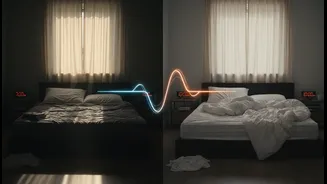
Scientists have a term for the mismatch between your body's internal clock and your sleep schedule: 'social jetlag'. It happens when you go to bed and wake up later on weekends than you do on weekdays. Even a one- or two-hour shift can throw your body's natural
circadian rhythms out of sync. This isn't just about feeling a bit groggy on a Monday morning; this discrepancy sends confusing signals to your entire system, affecting everything from your energy levels to your metabolism. Your body's internal master clock, located in the brain, gets disconnected from the secondary clocks in your organs, including those that manage digestion and hunger. This internal confusion is where the trouble with appetite begins.
The Hunger Hormone Connection
Recent research highlights how social jetlag directly influences the hormones that control hunger. When your sleep schedule is inconsistent, it can lead to lower levels of leptin, the hormone that tells your brain you're full. Simultaneously, it can cause a spike in ghrelin, often called the 'hunger hormone', which stimulates your appetite. This hormonal imbalance means you're more likely to feel hungry, even if your body doesn't need calories. The effect isn't immediate; it often peaks in the late afternoon and evening, precisely when willpower can be at its lowest. Studies have found this hormonal shift makes people crave sweet, salty, and high-fat foods specifically.
Why Your Body Craves Junk Food
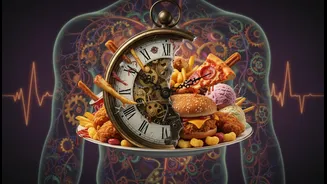
The link between a disrupted body clock and food choice is becoming clearer. When your circadian rhythm is disturbed, your brain's reward centers become more active in response to food cues. This makes high-calorie junk food seem far more appealing than it otherwise would. Some studies have shown that people with significant social jetlag are more likely to have unhealthier eating patterns, consuming more sugary drinks, processed foods, and saturated fats. This isn't just a matter of poor self-control; your biology is actively pushing you toward these choices as it struggles to cope with the confusing sleep-wake signals it's receiving. The body misinterprets the fatigue from a disrupted schedule as a need for quick energy, driving cravings for calorie-dense options.
Beyond Appetite: The Broader Impacts
While increased hunger is a noticeable short-term effect, chronic social jetlag is linked to more serious long-term health concerns. A consistent misalignment of your internal clock is associated with a higher risk of metabolic issues, including weight gain and reduced insulin sensitivity, which is a precursor to type 2 diabetes. Research shows individuals with greater social jetlag tend to have a higher body mass index (BMI) and more body fat. The disruption doesn't just stop at metabolic health; it can also affect mood and increase the likelihood of emotional eating, further complicating the relationship between sleep, stress, and food.
How to Reset Your Weekend Clock
The solution isn't necessarily to give up your extra weekend rest entirely, but to aim for more consistency. Experts recommend keeping your weekend wake-up time within an hour of your weekday schedule. If you get up at 7 a.m. during the week, try to be up by 8 a.m. on Saturday and Sunday. Another powerful tool is light exposure. Getting bright, natural sunlight shortly after you wake up helps to anchor your circadian rhythm, sending a strong 'good morning' signal to your brain and body. Conversely, limiting exposure to bright screens and overhead lights in the hour or two before bed can help your body prepare for sleep, making it easier to maintain a consistent bedtime all week long. Even small steps toward a more regular sleep routine can help regulate your appetite and reduce those powerful evening cravings.