



The High Cost of Delay
The central finding of the new report from the UN Environment Programme (UNEP) and the Climate and Clean Air Coalition (CCAC) is a warning shot for policymakers. Titled 'Hidden Assets: The Economic and Health Case for Climate and Clean Air Action', the report projects
that if Delhi meets its national air quality standards on schedule starting from 2026, it could reduce the public's exposure to harmful PM2.5 particulate matter by 20% by 2040. However, the report cautions that an eight-year delay in implementation—a period reflecting the global average for such projects—would slash that achievement in half, resulting in only a 10% reduction. This delay would lead to significantly greater health risks and economic costs for the city and its residents.
Identifying the Polluters
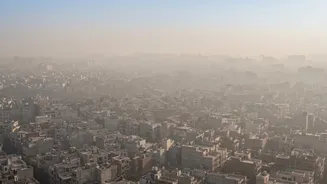
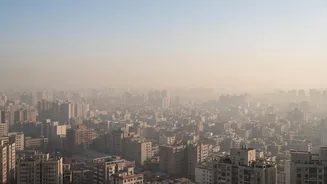
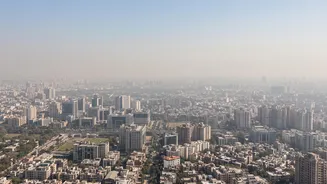
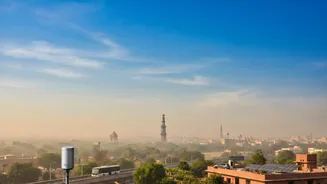
While Delhi's air pollution is often seen as a winter-specific issue driven by stubble burning, recent evidence confirms it is a year-round problem with multiple sources. According to various analyses, vehicular emissions remain a primary contributor, accounting for a significant portion of local PM2.5. Construction and road dust are identified as other major and persistent sources, fueled by large-scale infrastructure projects. Industrial emissions, waste burning, and household fuel use in lower-income areas also play a significant role. A 2026 study highlighted a concerning trend where disruptions in clean energy supply can cause a rapid shift back to polluting fuels in commercial sectors like restaurants, increasing emissions of sulfur dioxide and carbon monoxide. This complex mix of sources requires a multi-pronged strategy, as focusing on just one culprit is insufficient.
The Deepening Health Crisis
The human cost of breathing Delhi's air is becoming alarmingly clearer. Globally, outdoor air pollution was linked to an estimated 6.4 million premature deaths in 2025. For Delhi's residents, the health impacts extend far beyond the commonly known respiratory issues like asthma. A recent review of studies by Delhi University professors linked long-term exposure to PM2.5 with disturbing neurological effects. This includes changes in brain structure, memory loss, and cognitive decline, with researchers stating that air pollution is now a 'brain-health problem'. The fine particles are believed to breach the blood-brain barrier, potentially accelerating brain ageing and contributing to conditions similar to Alzheimer's and Parkinson's diseases.
A Glimmer of Progress?
Despite the grim warnings, data suggests that concerted efforts are yielding some results. Government data indicates a generally improving trend in Delhi's air quality over the last few years, with a decline in the number of 'Very Poor' days and an increase in 'Satisfactory' days recorded through 2025. While pollution levels still regularly exceed safe limits, authorities attribute the modest gains to sustained actions like stricter vehicle emission checks, mechanized road sweeping, and improved waste management. However, temporary improvements, often aided by favourable weather like rainfall, can mask the underlying severity of the problem. For instance, while September 2026 saw some days with 'satisfactory' air quality due to rain, the threat of rising pollution remains constant.
The Path Forward: An Economic Case for Action
The UN-backed report strongly reframes the narrative from one of cost to one of investment. It makes a compelling economic case for integrated climate and clean air action, arguing that every US$1 invested can yield around US$15 in economic benefits. These returns include market advantages and non-market value like improved public health and longer lifespans. The report identifies 25 key solutions, including a faster transition to renewable power, enhancing energy efficiency, and adopting cleaner cooking technologies. For Delhi, the message is clear: strengthening institutional frameworks to implement these solutions without delay is not just an environmental imperative but a crucial economic strategy for a healthier and more prosperous future.