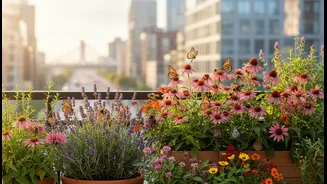








Redefining a 'Valuable' Balcony
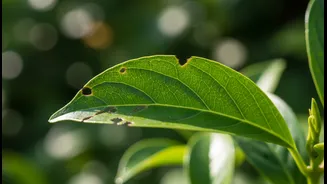
When we think of a valuable garden, we often picture pristine, picture-perfect blooms, untouched by pests or disease. This pursuit of perfection can lead to a cycle of routine chemical spraying. However, a truly valuable balcony garden is not a sterile
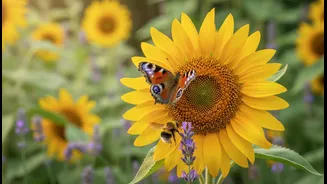
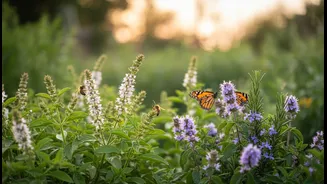
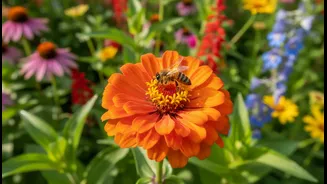
environment; it's a living one. Its worth can be measured in the buzz of a native bee, the flutter of a butterfly, and the satisfaction of knowing you’ve created a tiny, thriving ecosystem. The value shifts from a static visual to a dynamic experience—a small haven for nature and a healthier space for you. By avoiding routine sprays, you are not just growing plants; you are cultivating life.
The Hidden Cost of Chemical Sprays
Routine pesticide use has a significant downside, especially in a concentrated space like a balcony. Many common garden sprays are broad-spectrum, meaning they don’t distinguish between a 'pest' aphid and a beneficial ladybug or a pollinating bee. These chemicals can be devastating to local pollinator populations, which are already facing threats. When a bee brings pesticide-laced pollen back to its hive, it can have far-reaching consequences. Furthermore, these sprays can eliminate the natural predators that would otherwise keep pest populations in check, potentially making your problem worse in the long run. The result is a fragile, dependent garden that requires constant chemical intervention to look 'good'.
Embrace Integrated Pest Management (IPM)
The alternative to a spray-heavy routine is an approach called Integrated Pest Management (IPM). IPM is a thoughtful strategy that focuses on prevention and uses chemical intervention only as a last resort. The goal is not to eradicate every single bug, but to create a balanced environment where pests are kept at manageable levels. The first step is prevention: choose healthy, disease-resistant plants suited for your specific conditions (sun, wind, etc.). Regularly inspecting your plants allows you to catch problems early, before they become major infestations. Often, a strong jet of water or simply hand-picking larger pests is enough to solve the issue.
Welcome the Good Bugs
A spray-free balcony quickly becomes a welcoming habitat for beneficial insects. Ladybugs, for instance, are voracious aphid eaters. You can attract these natural allies by planting things they love. Herbs like dill, fennel, and coriander are excellent choices, as are flowers like marigolds and cosmos. Creating a complete habitat is key. Beyond just flowers, provide a shallow dish of water with pebbles for insects to land on and drink safely. Grouping pots together creates a more sheltered microclimate that insects and plants will appreciate. By actively inviting in the 'good bugs', you create a self-regulating system where nature does much of the pest control for you.
Natural Alternatives for Tough Problems
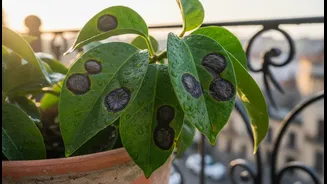
Even in a well-balanced garden, you may occasionally need to intervene. Fortunately, there are many effective alternatives to synthetic chemical sprays. A simple soap spray, made from a mild, biodegradable dish soap and water, can be effective against soft-bodied insects like aphids. Neem oil, derived from a tree, is another powerful tool; it disrupts the life cycle of many pests and can also help with fungal issues like powdery mildew. These solutions are targeted and have a much lower impact on beneficial insects and the environment. The key is to use them to treat a specific problem, not as a routine preventative spray.