





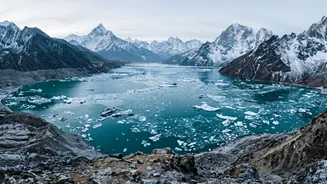


The Threat From The Rooftop of the World
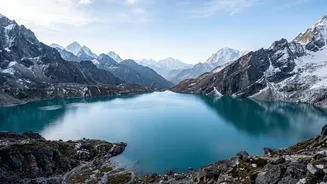
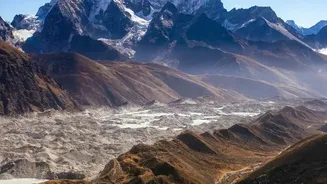
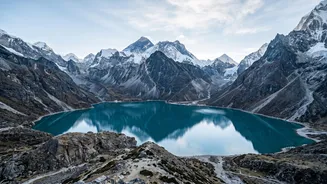
A Glacial Lake Outburst Flood, or GLOF, is a sudden and powerful release of water from a lake dammed by glacial ice or a moraine—a loose wall of rock and debris left by a retreating glacier. Unlike predictable monsoon floods, GLOFs unleash a torrent of water,
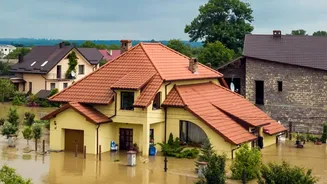
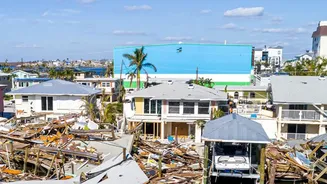
mud, and boulders with incredible speed and destructive force. These natural dams are inherently unstable and can be breached by triggers like landslides, avalanches, or even intense rainfall, releasing millions of cubic meters of water in mere hours. The resulting flash flood can devastate everything in its path, destroying homes, bridges, and critical infrastructure like hydropower plants.
A Growing Danger in a Warming Climate
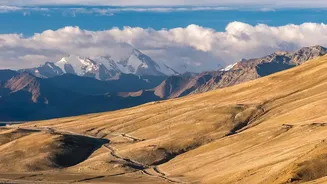
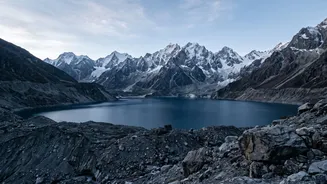
The threat of GLOFs is intensifying across the Hindu Kush Himalaya region as climate change accelerates glacier melt. With rising temperatures, glaciers are retreating faster, leading to the rapid formation and expansion of glacial lakes. In India, states like Sikkim, Himachal Pradesh, Uttarakhand, and Arunachal Pradesh are particularly vulnerable. The 2023 disaster at South Lhonak Lake in Sikkim serves as a stark reminder of the danger. A landslide into the lake generated a massive wave that breached its moraine dam, triggering a flood that killed dozens, displaced thousands, and caused enormous infrastructure damage, including wiping out the Teesta-III hydropower dam.
Strengthening the First Line of Defence
In response to this escalating risk, Indian authorities are focusing on preparedness. The National Disaster Management Authority (NDMA) has issued detailed guidelines for GLOF risk reduction. A recent review chaired by the Union Home Secretary with officials from five Himalayan states and territories emphasized strengthening early warning systems, mapping high-risk zones, and ensuring evacuation plans are robust. This involves identifying potentially dangerous lakes, monitoring them through a combination of satellite imagery and ground sensors, and establishing clear protocols for disseminating alerts to communities in harm's way. The government's National GLOF Risk Mitigation Programme aims to fund and guide states in these efforts.
The Challenge of the Last Mile
Despite progress, significant challenges remain. The remote and rugged terrain of the Himalayas makes installing and maintaining monitoring equipment difficult. More critically, ensuring that warnings reach isolated, low-connectivity villages in time is a major hurdle. GLOFs can occur with very little lead time, sometimes just minutes, making rapid evacuation essential but incredibly difficult. A recent GLOF in Bhutan in late October 2026, which triggered flood alerts and evacuations in downstream areas of West Bengal and Assam, highlighted this transboundary risk and the need for regional cooperation on data sharing. The event showed how a disaster in a neighbouring country can put Indian communities at risk within hours.