





The Soothing Oatmeal and Honey Mask
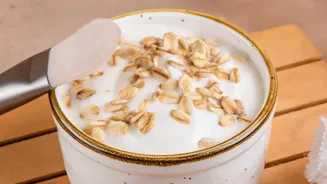
This classic combination is a go-to for calming irritated skin. Oatmeal is well-regarded for its anti-inflammatory properties, which can help reduce redness and soothe itchiness. Honey is a natural humectant, meaning it draws moisture into the skin, and possesses
antibacterial qualities that can be beneficial for acne-prone skin. Together, they create a mask that hydrates, cleanses, and calms. To prepare, simply mix two tablespoons of finely ground oats with one tablespoon of raw honey. Add a little warm water or plain yoghurt to form a paste. Apply to a clean face, leave on for 15 minutes, and rinse with lukewarm water.
Skin Safety Note: Patch Test and Allergies
While generally gentle, this mask isn't without risks. Honey can cause allergic reactions in some individuals, especially those with pollen or bee sting allergies. It is crucial to perform a patch test before applying any new DIY mask to your entire face. Apply a small amount to a discreet area, like behind your ear or on your inner wrist, and wait at least 15-20 minutes (or up to 24 hours for sensitive skin) to check for any signs of redness or irritation.
The Brightening Yoghurt and Turmeric Mask
This vibrant mask is popular for achieving a natural glow. Plain yoghurt contains lactic acid, a gentle alpha-hydroxy acid (AHA) that helps exfoliate the skin, smooth fine lines, and improve texture. Turmeric has been studied for its anti-inflammatory and antioxidant components, which may help calm the skin and target pores. Create a paste by mixing two tablespoons of plain, unsweetened yoghurt with half a teaspoon of turmeric powder. Apply a thin layer, leave on for 10-15 minutes, and rinse thoroughly.
Skin Safety Note: Staining and Irritation
The primary drawback of turmeric is its potent yellow pigment, which can temporarily stain the skin. Using a small amount can help minimise this. Some dermatologists also warn that spices like turmeric and cinnamon can be irritating for sensitive skin types. If you experience any burning or stinging, wash the mask off immediately. Always avoid recipes that mix in harsh ingredients like lemon juice, which can be highly acidic and disruptive to the skin's pH balance.
The Hydrating Avocado and Olive Oil Mask
For skin that feels dry and tight, this rich mask offers intense hydration. Avocado is packed with vitamins A and E, as well as fatty acids that help moisturise and repair the skin barrier. Olive oil is another excellent moisturiser rich in antioxidants. This combination helps to seal moisture into the skin, leaving it feeling soft and supple. Mash half a ripe avocado until smooth and mix in one teaspoon of olive oil. Apply the creamy paste to your face, let it sit for 10-15 minutes, and then rinse with warm water.
Skin Safety Note: Not for Every Skin Type
While a saviour for dry skin, this mask can be problematic for those with oily or acne-prone complexions. Both avocado and olive oil are rich and can be comedogenic, meaning they have the potential to clog pores and worsen breakouts for some people. If your skin is prone to congestion, you may want to opt for a lighter formulation.
The Cleansing Besan (Gram Flour) Mask
A staple in traditional Indian skincare, besan, or gram flour, is an excellent natural cleanser and gentle exfoliant. Its fine texture helps to remove dead skin cells and absorb excess oil without the harshness of some commercial scrubs. It's often used to achieve clearer, smoother skin and can be beneficial for managing an oily T-zone. To make a simple mask, mix two tablespoons of besan with enough rose water or plain water to form a smooth paste. Apply evenly, and rinse off just as it begins to dry.
Skin Safety Note: Can Be Over-Drying
Besan's oil-absorbing properties make it fantastic for oily skin, but it can strip natural oils from dry or combination skin if used incorrectly. For those with dry skin, it's essential to mix besan with hydrating ingredients like milk, honey, or yoghurt and to never let the mask dry completely and crack on your face, as this can lead to excessive dryness and irritation.
The Exfoliating Papaya Mask
Papaya contains a natural enzyme called papain, which acts as a gentle exfoliant to break down and remove dead skin cells. This can help to unclog pores, fade the appearance of marks, and leave the skin looking brighter and more refined. Using a mask with fresh papaya can help to refresh a dull complexion. For a simple enzyme mask, mash a few pieces of ripe papaya into a smooth pulp. Apply to the skin and leave for about 10 minutes before rinsing. A slight tingling sensation can be normal as the enzymes work.
Skin Safety Note: Enzyme Sensitivity
Papain can be a potent ingredient. For some, especially those with sensitive skin or a latex allergy, it can cause significant irritation, redness, and allergic reactions by disrupting the skin's protective barrier. If you feel anything more than a mild tingle, or if you have known sensitivities, it is best to wash the mask off immediately and avoid using it.
The Purifying Multani Mitti (Fuller's Earth) Mask
Multani mitti, also known as Fuller's earth, is a mineral-rich clay celebrated for its ability to absorb excess oil and impurities from the skin. It's highly effective for deep cleansing pores, reducing shine, and helping to manage acne and blackheads, making it a powerful ally for oily and congested skin types. Its cooling effect can also help soothe inflammation. Mix one to two tablespoons of Multani mitti powder with rose water to form a paste. Apply to the face, avoiding the eye and mouth area, and let it dry for 10-15 minutes before rinsing.
Skin Safety Note: Extreme Dryness
The exceptional absorbency of Multani mitti is its biggest benefit and its main risk. For those with dry or sensitive skin, this clay can be extremely drying, leading to tightness, flakiness, and irritation. It is best reserved for oily skin types and should always be followed with a moisturiser. To avoid over-drying, limit use to once a week.
The Antioxidant Green Tea Rinse
While less of a traditional 'mask', using cooled green tea as a final rinse or in a compress is a simple way to deliver antioxidants to your skin. Green tea is rich in polyphenols, which have anti-inflammatory and antioxidant properties that can help protect the skin from environmental stressors and soothe redness. Simply brew a strong cup of green tea, let it cool completely in the refrigerator, and then use a cotton pad to apply it to your face after cleansing. You can also soak a face cloth in the cold tea and use it as a calming compress.
Skin Safety Note: Temperature and Purity
The primary safety concern here is temperature. Never apply hot or even warm tea to your skin, as this can cause irritation or burns. Ensure the tea is completely cooled or even chilled for a soothing effect. Use pure green tea without any added sugars or flavours, which could irritate the skin. As with any new product, a patch test is a wise first step to ensure your skin doesn't react negatively.