





The Grandeur of IMAX 15/70 Film
When a filmmaker like Christopher Nolan talks about the 'true visual scale' of his work, he’s referring to a specific, colossal format: IMAX 15/70mm film. Unlike standard 35mm film, or even most digital formats that carry the IMAX brand, this is the pinnacle
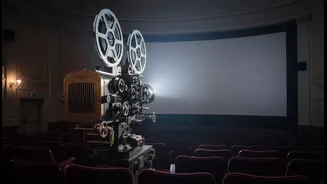
of cinematic image quality. The '70' refers to the width of the film stock, but the '15' is the crucial part; it means each frame is 15 perforations wide, running horizontally through a massive projector. The result is a negative that is almost nine times larger than a standard 35mm frame. This huge canvas captures an astonishing amount of detail, creating an image so clear and immersive it’s the closest thing to looking through a window. It allows for a unique aspect ratio of 1.43:1, which is much taller than typical widescreen, filling your entire field of vision on a true IMAX screen.
Nolan's Uncompromising Vision
Christopher Nolan has been a vocal champion of shooting on film, especially the IMAX format, for years. From key sequences in The Dark Knight to the space-faring vistas of Interstellar and the historical intensity of Oppenheimer, he has consistently used IMAX cameras to create unparalleled cinematic events. For The Odyssey, he has taken this a step further, shooting the entire movie with IMAX film cameras. This commitment isn't just a technical preference; it's an artistic choice. Nolan believes this format provides a level of immersion and grandeur that digital cinematography cannot replicate. Each film print is a physical artifact struck directly from the original negative, preserving the rich colour and detail captured on set. For a director obsessed with the theatrical experience, providing the audience with the highest possible quality is paramount.
An Exclusive Club of Cinemas
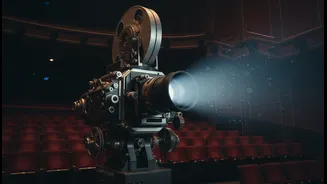
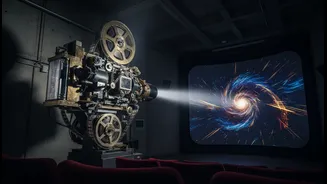
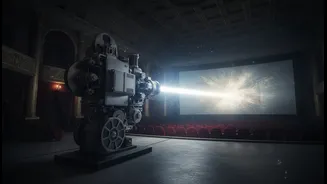
So, why can’t you see The Odyssey in its true glory at your local multiplex? The answer lies in the technology. The projectors required to handle 15/70mm film are mechanical marvels—enormous, incredibly complex, and expensive to maintain. They are a rare breed in an industry that has almost entirely shifted to digital projection over the last two decades. According to the CEO of IMAX, new projectors for this film format haven't been made in decades; the existing ones are located, refurbished, and carefully maintained. This makes the 41 venues capable of projecting in this format an exclusive global club. The majority of theatres branded 'IMAX' today use digital systems, which project at a lower resolution and in a wider, less immersive 1.90:1 aspect ratio, cropping the full picture Nolan composed.
Is It Worth the Pilgrimage?
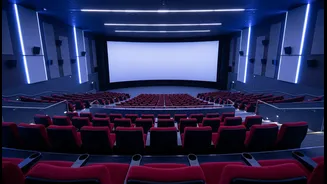
For cinephiles and fans of Nolan's work, the answer is a resounding yes. Experiencing a film in IMAX 70mm is fundamentally different from a standard screening. The sheer size and clarity of the image on a proper floor-to-ceiling screen is designed to fill your peripheral vision, creating a powerful sense of presence and immersion. You don't just watch the movie; you feel like you are inside of it. The demand for these limited seats is intense, with screenings often selling out weeks or even months in advance and prompting fans to travel across states or even countries. While the best digital alternative, IMAX with Laser in a 1.43:1 compatible theatre, offers an excellent experience with the correct aspect ratio, it still cannot match the organic texture and sheer resolution of the celluloid print. Seeking out one of these 41 cinematic temples is to experience the film at the absolute apex of its intended artistry.