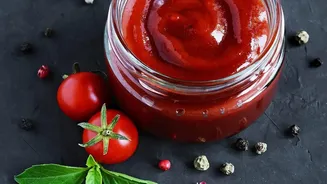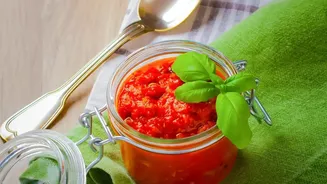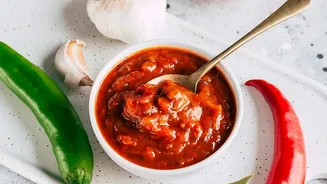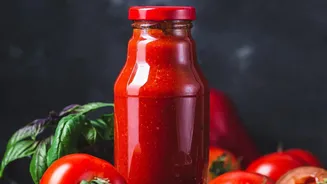







The dinner-time dilemma is a familiar one: you crave flavour, but the kids reject anything with a hint of spice. Crafting a sauce that pleases everyone doesn't mean settling for bland. The secret lies in building flavour, not just adding heat.
Build a Savoury Foundation
The most
delicious sauces start long before any spice is added. The foundation of flavour begins with aromatics. Gently sautéing finely chopped onions, garlic, or shallots in oil until they are soft and translucent builds a layer of savoury sweetness. This slow cooking process caramelises their natural sugars, creating a deep, rich base that adds complexity to any sauce, from a simple tomato base to a more elaborate curry. This patient first step is crucial; it’s the difference between a flat sauce and one that tastes like it has been simmering for hours. Don't rush this stage—the aroma of sweetly softened onions and garlic is the first sign you're on the right track to a flavourful, kid-approved meal.
Unlock the Power of Umami
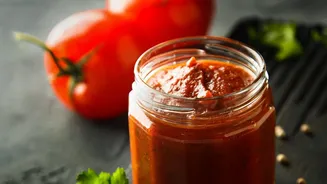
Umami, the fifth basic taste, is often described as savoury, rich, or meaty, and it’s a secret weapon for making food satisfying. Children are naturally primed to enjoy it, as breast milk is high in the amino acids that create this taste. You can easily add umami to your sauces without overwhelming young palates. Ingredients like tomato paste, mushrooms, and even a small amount of soy sauce or tamari can provide this depth. Roasting tomatoes before adding them to a sauce intensifies their umami qualities. Even a sprinkle of Parmesan cheese can add that savoury note that makes a dish feel complete and deeply comforting. By incorporating these elements, you’re creating a more rounded and enjoyable flavour profile that satisfies on a fundamental level.
Harness Natural Sweetness
Balancing flavours is key, and a touch of sweetness can make acidic or earthy ingredients more appealing to children. Instead of reaching for sugar, look to vegetables. Roasting vegetables like carrots, sweet potatoes, and red bell peppers brings out their inherent sweetness, which can round out a tomato sauce beautifully. These can be pureed and stirred directly into the sauce, adding both flavour and a nutrient boost. A simple tomato sauce can be transformed by the addition of a single grated carrot, which mellows the acidity of the tomatoes while it cooks. This technique not only adds a gentle sweetness but also contributes to the overall complexity of the sauce.
Introduce 'Warm' Spices Gently
Spice does not have to equal heat. Many spices add warmth, aroma, and depth without any of the fiery sensations that kids often reject. Think of spices like sweet paprika, turmeric, cumin, and coriander. These are staples in many Indian and global cuisines and are excellent for introducing children to more complex flavours. Start with a very small amount—often just a pinch—and toast the dried spices in oil for a minute before adding other ingredients to help release their natural aromatic oils. A mild curry powder designed for children can also be a great starting point, often featuring a blend of turmeric, coriander, and cumin without any chilli.
Lean on Fresh Herbs and Creaminess
Fresh herbs, added towards the end of cooking, can lift a sauce with bright, vibrant flavour. Mild herbs like basil, parsley, and oregano are familiar to most children and work wonderfully in everything from pasta sauces to creamy chicken dishes. Tearing fresh basil leaves into a tomato sauce just before serving adds a fresh, aromatic finish. For a final touch of kid-friendly luxury, a swirl of something creamy can soften and meld all the flavours together. Plain yoghurt, a splash of cream, or coconut milk can temper any sharp notes and add a luscious texture that children love. In many curries, coconut milk or yoghurt serves this exact purpose, balancing the spices and creating a milder, richer sauce.