





Beyond Fresh vs. Canned
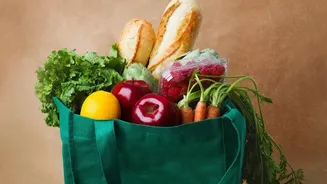
The common belief that fresh is always nutritionally superior isn't the full story. While fresh produce is fantastic, canned and frozen vegetables can be just as healthy. Fruits and vegetables destined for canning are typically picked at their peak freshness
and processed within hours, which helps preserve many of their nutrients. The high-heat canning process can sometimes even make certain antioxidants, like the lycopene in tomatoes, more available for your body to use. However, this heating process can reduce the levels of water-soluble vitamins like C and B, a similar loss that occurs when you cook fresh vegetables at home. Ultimately, the nutritional difference is often minimal, and the best choice is the one that gets more vegetables onto your plate.
Your Smart Shopper's Checklist
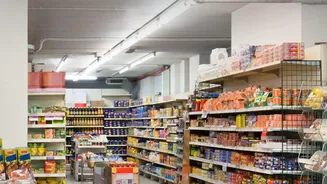
Navigating the canned goods aisle is simple when you know what to look for on the label. First, check the sodium content. Many canned vegetables are packed with added salt, so opt for versions labeled "no salt added" or "low sodium" whenever possible. If those aren't available, you can significantly reduce the sodium content by thoroughly rinsing canned beans and vegetables under water. Second, pay attention to the packing liquid for fruits. Choose fruits canned in 100% juice or water rather than heavy syrup, which adds unnecessary sugar. The ingredients list, which arranges items by weight, can quickly tell you if sugar or salt is a primary component.
The BPA Consideration
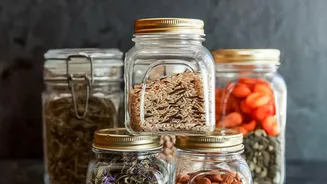
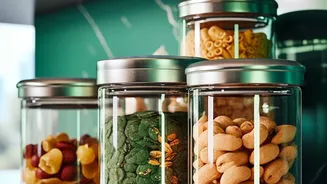
Bisphenol A (BPA) is an industrial chemical used in the epoxy linings of many food cans to prevent corrosion and food contamination. However, research has raised concerns about BPA's potential health effects, as the chemical can leach from the can lining into the food. Studies have suggested possible links between BPA exposure and issues like high blood pressure, type 2 diabetes, and behavioral effects in children. While regulatory bodies like the FDA state that current low levels of exposure are safe, many consumers prefer to minimize their intake. To do so, look for cans explicitly labeled "BPA-free" or choose products packaged in glass jars or cartons as an alternative.
The Healthiest Pantry Staples
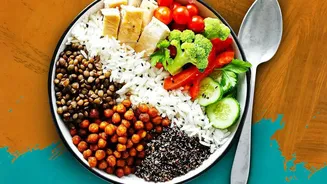
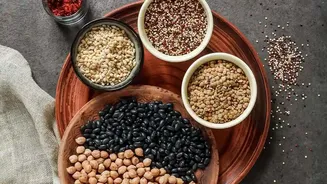
A practical, healthy pantry is built on versatile staples. Canned beans—like chickpeas, black beans, and kidney beans—are excellent sources of fiber and plant-based protein. Canned fish such as tuna, salmon, and sardines are packed with protein and heart-healthy omega-3 fatty acids. Canned tomatoes are a kitchen workhorse, perfect for creating sauces, soups, and stews. Shelf-stable whole grains like quinoa, brown rice, and rolled oats provide sustained energy and fiber. Low-sodium broths and stocks are essential for adding flavor, and dried lentils are another fantastic, long-lasting source of protein and fiber.
Putting It All Together
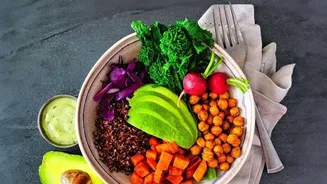
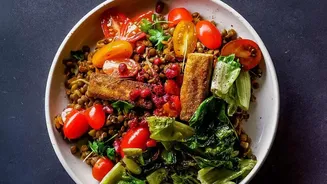
With a well-stocked pantry, a nutritious meal is never far away. Combine a can of rinsed black beans with canned corn and diced tomatoes for a quick salsa or a filling for quesadillas. Toss canned chickpeas with chopped vegetables, a splash of lemon juice, and olive oil for a refreshing salad. Create a hearty pasta sauce by sautéing garlic, adding a can of crushed tomatoes, and stirring in canned lentils for extra protein and fiber. A simple stir-fry can be made with canned chicken or chickpeas, a bag of frozen mixed vegetables, and a splash of soy sauce over a bed of brown rice. These combinations transform convenient staples into complete, satisfying meals.