



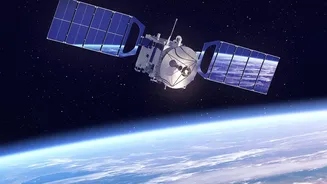
The Problem with Today's Eyes in the Sky
For years, firefighters have relied on a mix of public tip-offs, watchtowers, and existing weather satellites to spot new fires. While crucial, this patchwork has significant gaps. Satellites from agencies like NOAA and NASA, though powerful, were designed
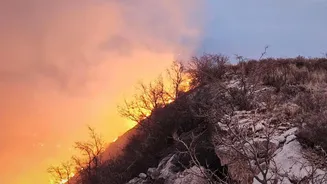
for broad weather and Earth observation, not specifically for fire detection. This means they often revisit the same spot on Earth too infrequently, sometimes taking hours to pass over again. By the time they detect the heat signature of a new blaze, it may already be too large to easily contain. Their resolution also limits their ability to spot smaller ignitions, meaning they can't see a new fire until it has grown significantly.
Enter FireSat: A Purpose-Built Solution
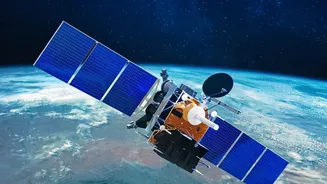
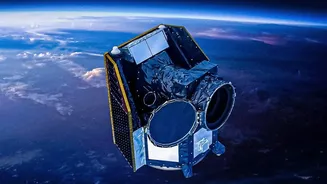
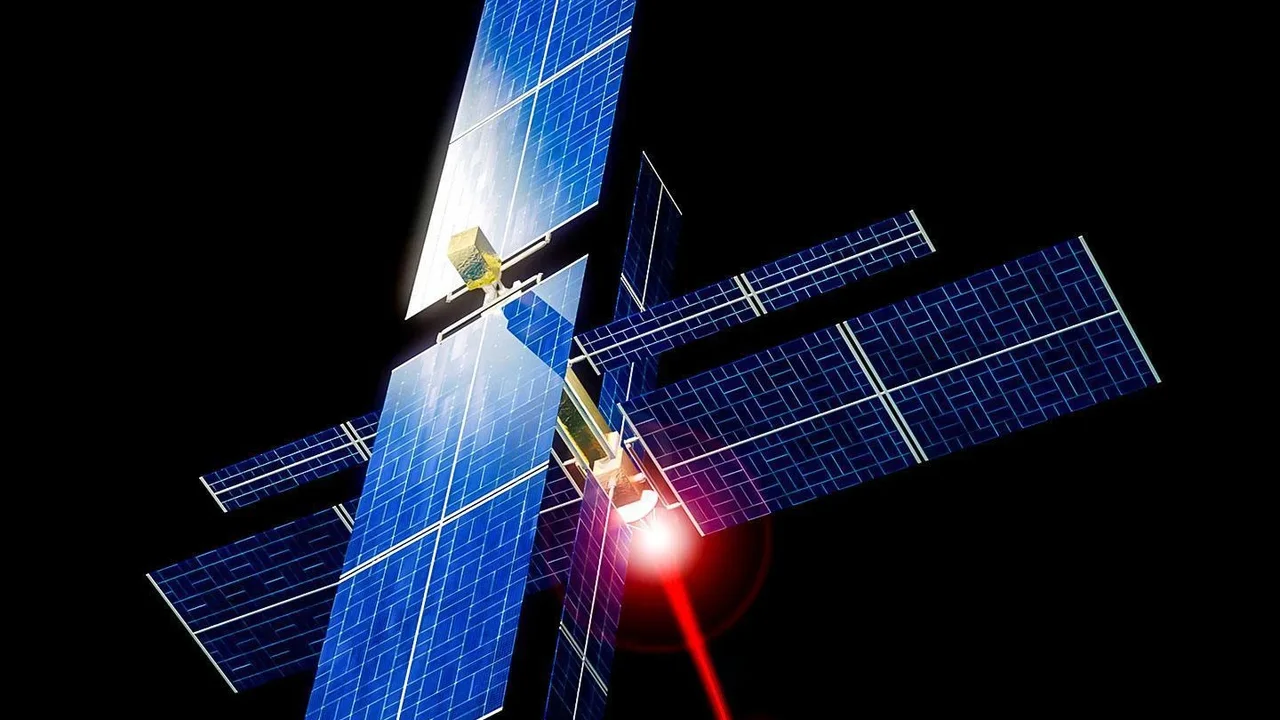
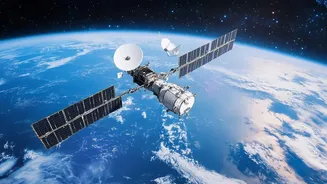
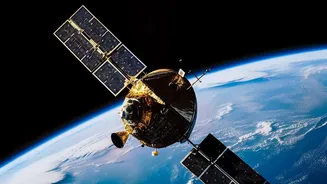
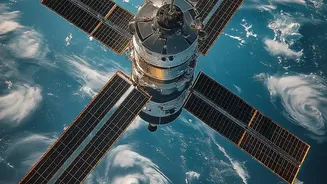
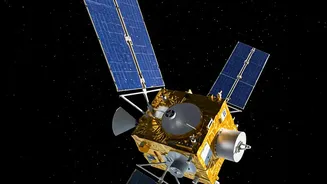
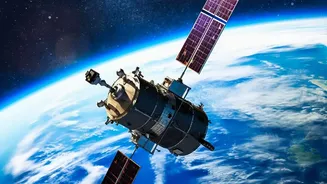
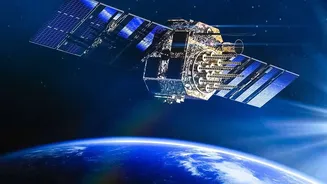
This is the gap FireSat aims to fill. Developed through a collaboration including the nonprofit Earth Fire Alliance, satellite manufacturer Muon Space, and Google, FireSat is a satellite constellation designed for one primary purpose: finding wildfires faster. The project launched its first operational satellites in July 2026, marking a transition from a successful demonstration phase to a live service. The ultimate plan is to deploy a constellation of around 50 satellites that can scan nearly every point on the globe every 20 minutes. This dramatic increase in frequency is the core of FireSat's promise.
How It Sees Heat from Orbit
FireSat satellites are equipped with advanced multispectral infrared sensors. Think of it as being able to see heat, not just visible smoke. These sensors operate across multiple infrared bands, allowing them to detect the specific thermal signature of a fire, even through smoke. The system is sensitive enough to detect a blaze as small as five-by-five meters—roughly the size of a large car or a small classroom. Onboard artificial intelligence then analyzes the incoming data, comparing new heat signatures to previous images and factoring in weather conditions to reduce false alarms from things like sun-baked rocks or industrial heat sources. When a likely fire is identified, an alert is sent to emergency responders in minutes.
A Powerful Tool, Not a Silver Bullet
While a game-changer, FireSat is not a standalone solution. It is designed to work in concert with a growing array of other high-tech firefighting tools. These include ground-based cameras, often placed on mountaintops and cell towers, which use AI to constantly scan the landscape for the first wisps of smoke. These cameras provide excellent coverage in their line of sight, but satellites like FireSat can monitor vast, remote wilderness areas where no cameras or people are present. The combination of eyes on the ground and dedicated eyes in orbit creates a more comprehensive and faster detection network, giving firefighters a more complete picture of where new threats are emerging.