






In a major push for self-reliance in space, the Indian government is backing deep-tech startup Astrome to build an indigenous satellite network. This November deal signals a strategic investment in India's sovereign defence and intelligence capabilities.
A Landmark Deal for 'Make in India'
The Technology Development Board (TDB), under the Department of Science and Technology, has committed ₹64.05 crore to Bengaluru-based Astrome Technologies. This funding, part of a total project cost of ₹128.11 crore, is a significant endorsement of India's private space sector. The agreement, signed in early November 2026, aims to develop a sovereign, space-based Artificial Intelligence-enabled Electronic Intelligence (AI-ELINT) satellite constellation. Rather than a simple grant, the support comes as Optionally Convertible Debt, showcasing a flexible, modern approach to financing critical national technology projects. This move is designed to accelerate Astrome’s work, taking its advanced systems from the lab to operational readiness in orbit.
Who is Astrome Technologies?
Founded in 2015 and incubated at the prestigious Indian Institute of Science (IISc), Astrome has been a quiet pioneer in wireless and satellite communications. Started by Dr. Prasad Bhat and Dr. Neha Satak, the company has developed a range of cutting-edge products, from its GigaMesh terrestrial radios that provide fibre-like connectivity to satellite communication modules. While initially focused on using satellite technology to bridge the digital divide, Astrome has also built expertise in military-grade communications, securing contracts with the Indian defence establishment. This new government project leverages their deep experience in millimeter-wave technology, software-defined modems, and phased-array antennas, which are crucial for modern satellite networks.
The AI-Powered Satellite Constellation Explained
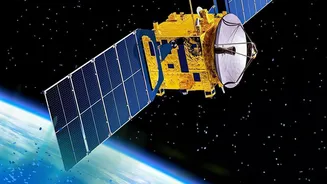
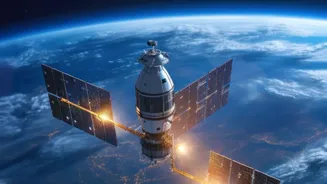
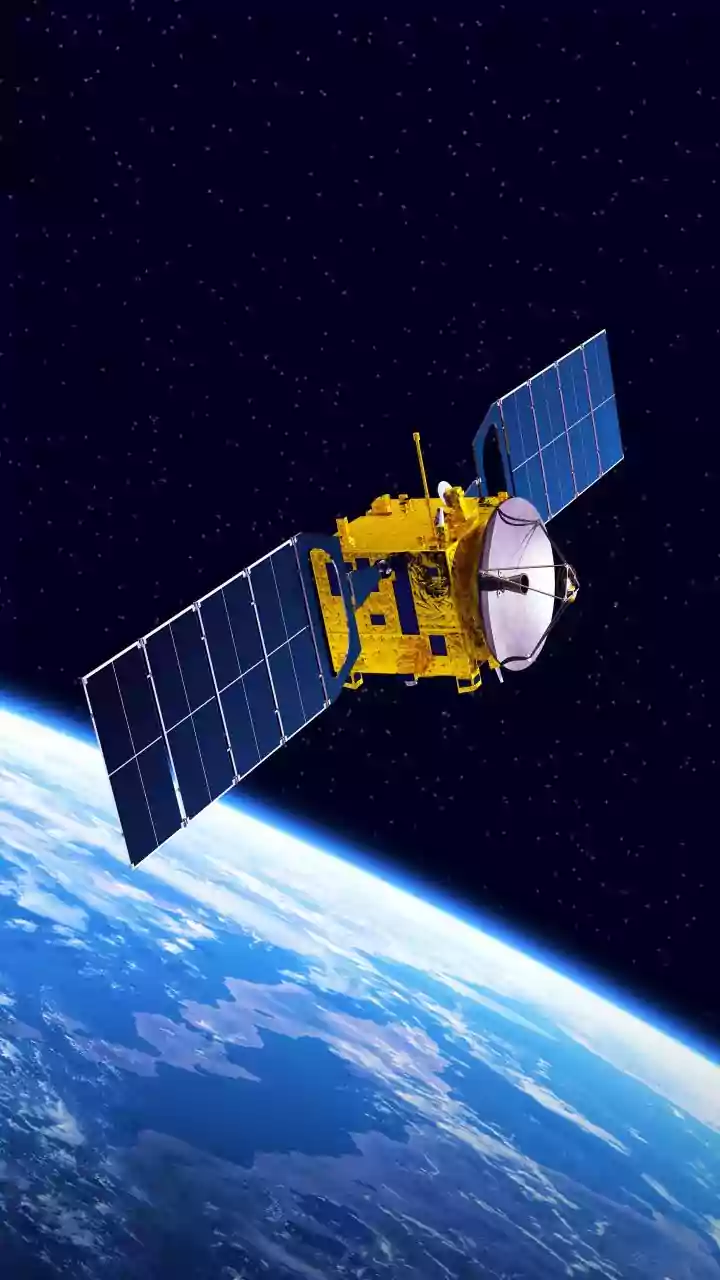
The project's goal is to create a network of 50-kg class microsatellites in Low Earth Orbit (LEO). These satellites will be equipped with sophisticated Electronic Intelligence (ELINT) payloads capable of detecting and analysing radio and radar signals from across a wide frequency range. Where the AI comes in is on the ground. The vast amounts of data collected by the satellites will be processed using AI-based software, allowing for rapid and efficient analysis. Furthermore, the satellites will feature inter-satellite communication links, enabling them to work together as a cohesive and intelligent network, rather than as isolated data collectors. This integrated system is designed to provide persistent surveillance and faster revisit times over strategic areas of interest.
Strategic Importance for National Security
This AI-ELINT constellation is more than a technological marvel; it's a strategic asset. By developing a sovereign space-based intelligence system, India reduces its reliance on foreign technology for critical national security applications. The project aims to give India's defence forces a home-grown capability for real-time intelligence gathering, enhancing situational awareness. The government's backing through the Research, Development and Innovation (RDI) Fund underscores a national strategy to foster a robust deep-tech ecosystem. TDB Secretary Rajesh Kumar Pathak noted that combining indigenous engineering with AI is vital for meeting the nation's emerging security requirements. The project falls under the government's broader push for innovation in defence through initiatives like Innovations for Defence Excellence (iDEX) and Mission DefSpace.
Bolstering India's Private Space Ecosystem
This funding is a clear example of the Indian government acting as an anchor customer for its burgeoning private space industry. Since opening the sector in 2020, India has seen its number of space startups grow from a handful to over 400. Agencies like the Indian National Space Promotion and Authorisation Centre (IN-SPACe) have been created to facilitate private sector involvement, offering everything from seed funding to access to ISRO facilities. The Astrome deal is one of several recent government-backed initiatives, including funding for other startups developing critical components like rocket engines and navigation chips. This strategy not only fast-tracks innovation but also builds a resilient domestic supply chain for space technology, positioning India as a globally competitive player.