



A Once-in-a-Generation Spectacle
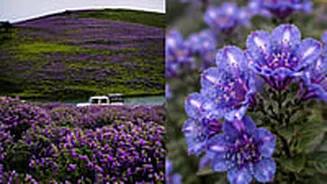
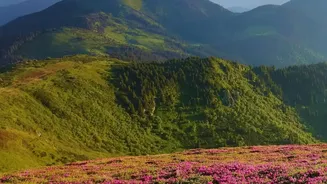
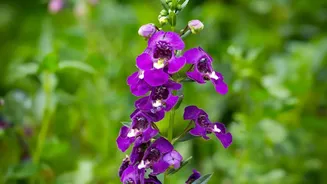
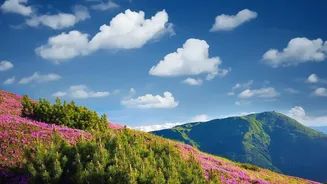
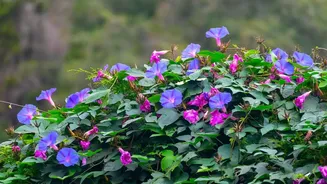
Across the rolling hills of Munnar, a natural event of breathtaking scale and beauty is unfolding. Patches of the landscape are being transformed into a sea of purple-blue flowers. This is the bloom of Neelakurinji, scientifically known as Strobilanthes
kunthiana, a shrub native to the high-altitude shola grasslands of the Western Ghats. The name itself, derived from Tamil, means 'blue flower'. What makes this event so magical is its rarity. Each Neelakurinji shrub flowers just once in its lifetime before dying, a phenomenon known as being monocarpic. After this grand floral display, it releases its seeds, which will grow into a new generation of plants that will wait another 12 years to repeat the cycle. This mass, synchronised flowering, called gregarious flowering or masting, ensures that entire hillsides burst into colour simultaneously, creating one of India's most stunning natural wonders.
Why Is a Bloom Happening in 2026?
Many associate Munnar’s Neelakurinji with the massive 2018 bloom, with the next major event in those specific areas, like Eravikulam National Park, expected in 2030. However, the 2026 bloom is not an anomaly or an early arrival; it is a different population of the same flower following its own precise 12-year clock. The Western Ghats host numerous species of Strobilanthes and multiple populations of Strobilanthes kunthiana, each with its own schedule. The flowers currently blooming across areas like the Chokramudi, Korandakadu, and Mattupetty hills belong to a population that last flowered in 2014. This creates a fascinating scenario where different parts of the Munnar landscape come alive in different years, with both 2026 and 2030 being correct years to witness this spectacle, just in different locations.
The Central Development Explained
The headline's "Central Development" refers to a significant push from the Union government to protect this fragile species and its habitat. In 2023, the Ministry of Environment, Forest and Climate Change (MoEFCC) placed Neelakurinji under Schedule III of the Wildlife (Protection) Act of 1972. This landmark decision makes it illegal to uproot, damage, or possess the plant, with violators facing fines of up to ₹25,000 and imprisonment for up to three years. Furthermore, in August 2026, the MoEFCC petitioned the National Green Tribunal, urging the states of Kerala, Tamil Nadu, and Karnataka to prepare and submit annual conservation plans for Neelakurinji. This central directive aims to create a synchronised, cross-state strategy for habitat restoration, controlling invasive species, and managing tourism, ensuring the long-term survival of the flower. This move strengthens the protection offered by state-level initiatives like the Kurinjimala Sanctuary, which was established in Kerala in 2006 to conserve the core Neelakurinji habitat.
Balancing Tourism with Conservation
The Neelakurinji bloom is a powerful magnet for tourism, with officials anticipating a huge influx of visitors for the 2026 season. While this provides a significant economic boost to the region, it also places immense pressure on a delicate ecosystem. The increased footfall risks soil compaction, waste generation, and the accidental destruction of the very plants people come to see. Recognizing this, authorities are implementing stricter regulations. Measures include keeping large private buses out of Munnar town on peak days and developing a mobile application for tourists to book viewing slots in advance, helping to regulate crowds. The new central protections under the Wildlife Act provide legal backing to these efforts, empowering forest officials to take action against anyone who damages the plants. The goal is to manage the 2026 bloom as a model for sustainable tourism ahead of the even larger crowds expected in 2030.
A Guide for Responsible Visitors
For those planning to witness the 2026 bloom, the main viewing areas are the Chokramudi hills and the Korandakadu hills near Mattupetty. It is crucial to remember that Eravikulam National Park is not the site for this particular bloom. Visitors are urged to be responsible tourists. The most important rule is to not pluck or uproot the flowers; they are now a protected species. Always stay on designated trails to avoid trampling on young saplings that are the future of the bloom. Carry reusable water bottles and ensure all waste is brought back down from the hills. By observing these simple guidelines, visitors can help ensure that this breathtaking natural heritage continues to thrive for generations to come, painting the hills blue every 12 years.