

A Historic Catch After 22 Hours in Orbit
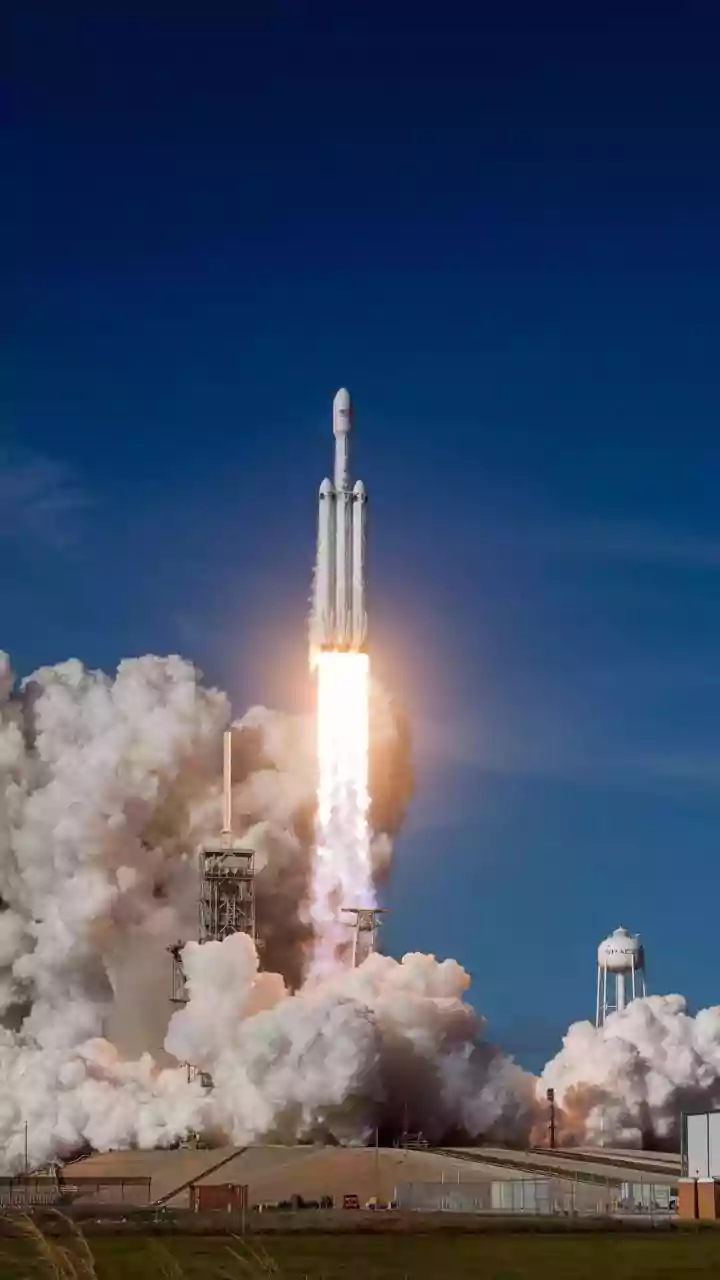
On November 13, the 15th integrated test flight of the Starship system launched from Starbase, Texas. While the launch itself was notable, the main event came about 22.5 hours later. After circling the Earth 14 times and deploying 26 Starlink satellites,
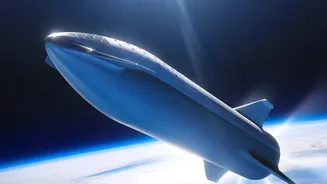
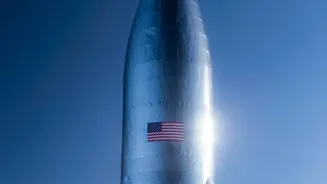
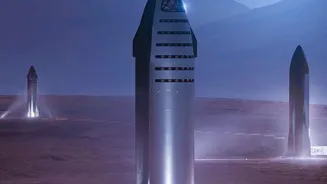
the Starship upper stage, known as Ship 42, performed a deorbit burn and began its fiery descent back through the atmosphere. In a stunning display of precision engineering, the 171-foot-tall spacecraft maneuvered itself toward the launch tower, where a pair of giant mechanical arms, nicknamed 'Mechazilla' or 'the chopsticks', closed around the vehicle and plucked it from the air. This was the first time an orbital-class upper stage has ever been recovered in this way, a moment a SpaceX commentator called 'the holy grail of spaceflight'.
The 'Chopsticks': How the Catch Works
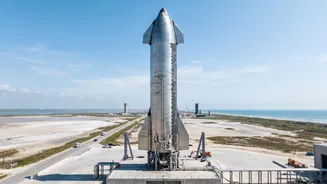
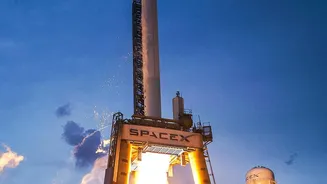
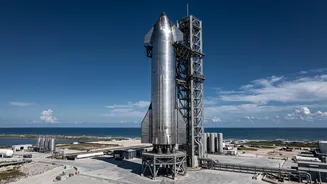
The launch tower at Starbase is more than just a platform; it's a launch and recovery system. The 'chopsticks' are massive arms designed to lift the booster and ship onto the launch mount for assembly, and, more ambitiously, to catch them as they return. Rather than squeezing the rocket's delicate frame, the system works by having the vehicle lower itself onto two reinforced catch pins or hardpoints. The arms simply need to position themselves correctly to slot onto these points, with shock absorbers managing the immense forces. By eliminating the need for heavy landing legs on the rocket itself, SpaceX can save weight, which translates directly into more payload capacity for missions. While SpaceX had previously caught its Super Heavy boosters, recovering the upper stage, which returns from orbital velocity, was a far greater challenge.
Why Full Reusability Is a Game-Changer
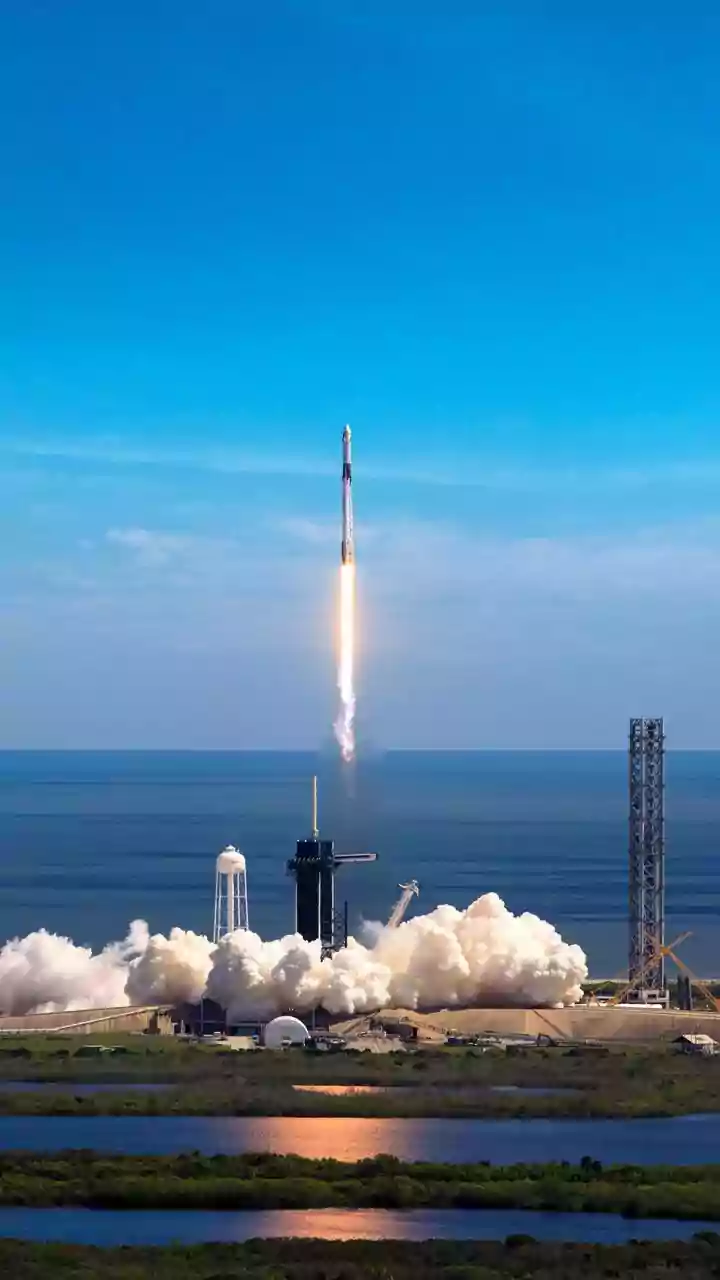
For decades, rockets have been expendable, with the most expensive components burning up in the atmosphere after a single use. SpaceX's Falcon 9 rocket changed this by proving first-stage boosters could be landed and reused. Starship aims to take this a massive step further by reusing the entire system: both the Super Heavy booster and the Starship upper stage. Achieving this would slash the marginal cost of a launch, as the main expense shifts from manufacturing new hardware to simply refueling and servicing existing vehicles. This airline-like model of operation is what makes ambitions like building a base on the Moon, transporting hundreds of tons of cargo to Mars, and even high-speed point-to-point travel on Earth economically feasible. This successful catch is perhaps the most critical proof-of-concept for that revolutionary economic model.
Not a Perfect Mission, But a Crucial One
While the upper stage catch was a historic success, the mission was not without issues. The plan for Flight 15 was to recover both stages at the launch tower. However, the Super Heavy booster experienced an issue during its return burn, triggering an automatic safety abort. Instead of attempting a tower landing, the booster redirected itself for a controlled splashdown in the Gulf of Mexico. SpaceX is investigating the cause, which appears related to low propellant levels. Despite the loss of the booster, the successful catch of the upper stage was the primary and most difficult goal of the flight. It validates the most challenging part of the recovery architecture and provides invaluable data for future attempts to recover both stages on the same flight.