





A Comeback Story for Indian Space
The successful launch of the EOS-05 satellite, also known as GISAT-1A, on September 4, 2026, was a moment of triumph for the Indian Space Research Organisation (ISRO). This mission was particularly significant because it came after the unsuccessful launch of its
predecessor, EOS-03 (or GISAT-1), in August 2021. The earlier mission failed due to a technical anomaly in the cryogenic upper stage of the GSLV-F10 rocket. After a thorough investigation, ISRO implemented corrective measures, making the successful flight of the GSLV-F17 carrying EOS-05 a testament to the agency's ability to overcome complex challenges. The success not only placed a crucial asset in orbit but also restored confidence in the GSLV rocket programme, often nicknamed the “naughty boy” for its mixed record in the past.
India's First 'Eye in the Sky' in Geo-Orbit
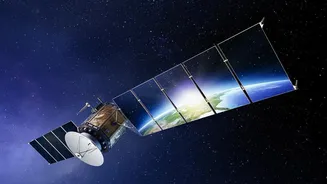
What truly sets EOS-05 apart is its destination: a geosynchronous orbit approximately 36,000 kilometres above Earth. Most Earth observation satellites operate in Low Earth Orbit (LEO), circling the planet and getting only brief glimpses of any specific location. In contrast, a satellite in geosynchronous orbit moves at the same speed as the Earth's rotation, allowing it to remain over the same broad geographical region continuously. This makes EOS-05 India's first dedicated imaging satellite from such a high perch. It can act like a persistent 'eye in the sky,' providing near-continuous monitoring of the Indian subcontinent and surrounding oceans, a capability the country has pursued for years.
A Game-Changer for Disaster Management
The ability to watch over a large area without interruption is a massive advantage for managing natural disasters. The EOS-05 mission was designed to provide rapid monitoring of events like cyclones, floods, and forest fires. Instead of waiting for a satellite to pass over a developing weather system, EOS-05 can provide frequent updates, helping authorities to issue timely warnings and plan evacuations more effectively. This near-real-time imaging capability can save lives and minimise damage by giving disaster response teams a clear and current picture of the situation on the ground.
Enhancing National Security and Agriculture
Beyond civilian uses, the mission holds significant strategic importance. The satellite's persistent gaze is invaluable for monitoring borders and strategic assets, providing a new layer of space-based surveillance. The applications also extend to resource management. The satellite's imagers can collect data for agriculture, forestry, and monitoring environmental changes over time. By observing the entire Indian landmass at regular intervals, it can help in assessing crop health, tracking deforestation, and managing water resources more efficiently. The mission's success illustrates a powerful convergence of technology serving national security, environmental monitoring, and economic development.
Boosting India's Launch Capabilities
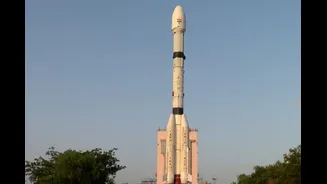
The EOS-05 mission was not just about the satellite; it was also a crucial test for the Geosynchronous Satellite Launch Vehicle (GSLV). At over 2,300 kg, EOS-05 is the heaviest satellite that the GSLV has successfully placed into orbit, demonstrating the vehicle's improved capacity. This heavy-lift capability is vital for India's ambitions in space, including future communication satellite launches and potentially even missions for the Gaganyaan human spaceflight programme. Each successful GSLV launch strengthens India's self-reliance in accessing geostationary orbit without depending on foreign launch providers.