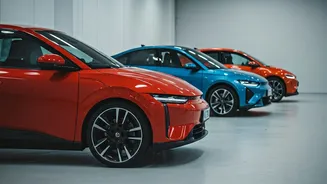




The Rise of the Sub-₹15 Lakh EV
For years, the high cost of electric cars kept them out of reach for most Indian families. That era is officially over. The market has found its sweet spot in the sub-₹15 lakh category, where a growing number of models are offering a compelling mix of practicality,
modern features, and significantly lower running costs compared to their petrol counterparts. Market analysts project that India's electric passenger vehicle sales will cross 300,000 units for the first time in 2026, a significant jump from just under 200,000 in 2025. This boom isn't accidental; it's the result of several converging factors. Persistent volatility in fuel prices has made consumers acutely aware of long-term ownership costs, where EVs have a clear advantage, costing as little as ₹1-2 per kilometer to run. At the same time, advancements in battery technology mean even affordable models now offer practical driving ranges, reducing the once-common 'range anxiety'.
Tata Motors: Driving the Charge
It’s impossible to discuss India's affordable EV boom without focusing on Tata Motors. The domestic automaker has single-handedly democratized electric mobility with a strategic, multi-pronged approach. The Tata Punch EV, starting at around ₹9.7 lakh, has been a game-changer, packaging the popular micro-SUV design with a credible electric powertrain. It has successfully drawn in first-time car buyers and those looking for a second family vehicle. Close behind is the Tata Tiago EV, India's entry-level electric hatchback, which starts at an even more accessible price point. With real-world ranges suitable for city driving and features once reserved for more expensive cars, these models are consistently topping sales charts. Tata's success lies in offering multiple battery pack options, allowing buyers to choose between a lower entry price for city use or a long-range version for more flexibility. This strategy, combined with a strong brand trust, has made Tata the undisputed leader in the space.
The Competitors: Niche Appeal and Urban Focus
While Tata dominates, other players are carving out important niches. The MG Comet EV is a prime example, targeting the urban commuter with its ultra-compact, two-door design. Priced aggressively, the Comet is positioned as a 'gadget on wheels'—a perfect second car for navigating congested city streets and tight parking spots. Its appeal is less about long-distance travel and more about smart, efficient, and tech-forward urban mobility. Then there is the Citroen eC3, which focuses on delivering a comfortable and spacious cabin, a traditional strength of the French automaker. Though it faces stiff competition from Tata on features and pricing, it offers a compelling alternative for those who prioritize ride quality and interior space over a long features list. Together, these models are broadening the market, ensuring there's an affordable EV for different needs and preferences, from a primary family car to a dedicated city runabout.
The Support System: Incentives and Infrastructure
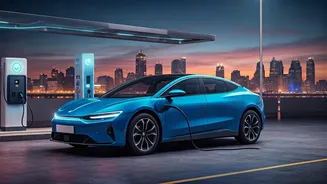
The rapid sales growth is also being fueled by a supportive ecosystem. While central government schemes like PM E-DRIVE 2026 primarily focus on two-wheelers and commercial vehicles, the real savings for car buyers come from state-level policies. Many states offer significant benefits, including waivers on road tax and registration fees, and in some cases, direct purchase subsidies that can substantially lower the upfront cost of an EV. These benefits, combined with the lower 5% GST on electric vehicles compared to petrol cars, make the total cost of ownership highly attractive. Furthermore, the charging infrastructure, long considered a major hurdle, is steadily improving. As of early 2026, India had over 27,000 operational public charging stations, a number that is continuously growing. While gaps remain, this expansion is building consumer confidence and making EV ownership more practical than ever before.