




The Essence of the Bitter Orange Blossom
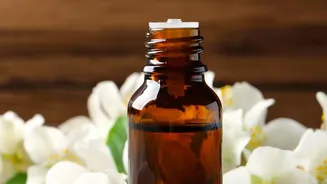
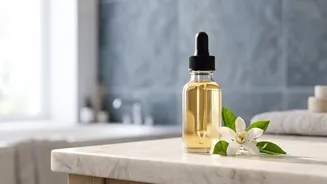
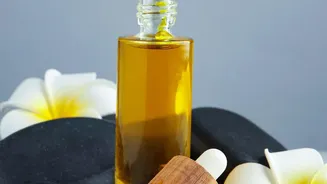
Neroli oil is an essential oil produced from the delicate, waxy white blossoms of the bitter orange tree, scientifically known as Citrus aurantium amara. While the tree itself is native to parts of Asia and eastern Africa, it is now cultivated extensively
across the Mediterranean region. Major producers of high-quality neroli oil include the North African nations of Tunisia, Morocco, and Egypt. The name 'neroli' is said to have been popularized in the 17th century by Anne Marie Orsini, an Italian princess of Nerola, who famously used the essence to perfume her gloves and bathwater, creating a fashionable scent that endures to this day.
A Labour of Love: The Extraction Process
The reason for neroli's precious status and often high price tag lies in its demanding extraction process. The blossoms are typically harvested by hand in late spring, a task requiring great care. To capture the volatile aromatic compounds, the flowers must be quickly processed through steam distillation. This method involves passing steam through the fresh blossoms; the steam ruptures the tiny oil sacs and carries the fragrant molecules away. When the steam condenses back into liquid, the essential oil separates from the water. It is an incredibly labour-intensive process, with some estimates suggesting it takes about 1,000 pounds of handpicked flowers to produce just one pound of neroli oil.
What Makes African Neroli Special?
While neroli is produced in several countries, African varieties are particularly celebrated in perfumery and aromatherapy for their nuanced profiles, which are influenced by the local soil and climate—a concept known as 'terroir'. Tunisian neroli, often considered a benchmark, is typically described as bright, green, and fresh, with an uplifting, radiant quality. Moroccan neroli tends to be rounder, softer, and slightly spicier, with more pronounced honeyed notes. Egyptian neroli is often perceived as the richest and sweetest of the three, with a deep, opulent floral character. These subtle but distinct differences allow perfumers and formulators to choose the specific origin that best suits their creative vision.
A Soothing Balm for Skin
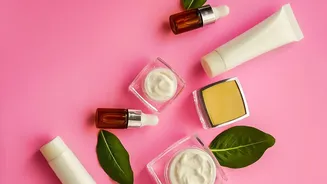
Beyond its beautiful scent, neroli oil is a powerhouse ingredient in skincare. It's known for its ability to help regenerate skin cells, which can improve the skin's elasticity and may be beneficial for addressing the appearance of scars, stretch marks, and fine lines. Studies have shown that neroli oil possesses antimicrobial, antifungal, and antioxidant properties. These qualities may help in managing acne breakouts and reducing skin irritation. It is also valued for its ability to balance oil production without over-drying, making it a suitable choice for all skin types, from oily to sensitive.
Calming the Mind with Aromatherapy
Perhaps neroli's most famous benefit is its profound effect on the mind and emotions. In aromatherapy, it is widely used for its calming abilities. Research suggests that inhaling neroli oil can help reduce stress, anxiety, and anxiety-induced depression. A 2014 study on postmenopausal women found that inhaling neroli oil helped lower blood pressure, reduce stress, and improve mood. Its calming effect is attributed to its chemical components, such as linalool, which interacts with the body's nervous system to promote relaxation. This makes it a popular choice for diffusing in the evening to wind down or during moments of heightened stress.
How to Use Neroli Oil Safely
There are several ways to incorporate this luxurious oil into your wellness routine. For aromatherapy, add a few drops to an electronic diffuser to fill your space with its serene fragrance. For a calming bath, mix a few drops with a carrier substance like honey or full-fat milk before adding it to the water to ensure it disperses properly. For topical skin application, it is crucial to dilute neroli essential oil with a carrier oil, such as jojoba, almond, or marula oil, before applying it to the skin. This helps prevent potential skin sensitivity. A patch test on a small area of skin is always recommended before widespread use.