






Why Protein is a Non-Negotiable
Protein is often seen as something only for athletes, but it's a vital nutrient for everyone, every single day. Think of it as the foundational building block for your body. It helps build and repair tissues, supports muscle health, and is crucial for making
enzymes and hormones. A key benefit, especially for those with busy schedules, is its effect on satiety. Protein takes longer to digest than carbohydrates, which helps you feel fuller for longer. This can prevent energy slumps in the afternoon and reduce the urge to reach for unhealthy snacks between meals. Adequate protein intake also supports a strong immune system, helping your body fight off illnesses.
The Modern Urban Challenge
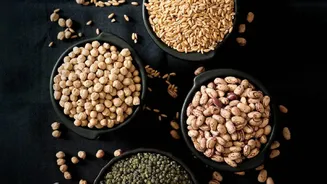
For many Indians, especially in urban centres, getting enough protein can be a challenge. Hectic work schedules, long commutes, and a reliance on quick, carbohydrate-heavy meals often mean protein intake is pushed to the side. A survey by the Indian Market Research Bureau found that a majority of Indians are protein-deficient. Traditional Indian diets can be rich in protein through dals, legumes, and dairy, but modern lifestyles often disrupt these balanced eating patterns. The convenience of a quick snack or a takeaway meal often wins over a planned, balanced thali, leading to a nutritional gap that can impact energy levels, focus, and overall well-being throughout the day.
Making Convenience Your Ally
The key to consistently meeting your protein goals isn't about drastic diet overhauls or spending hours meal prepping; it's about making smart, convenient choices. The most effective diet is one you can stick with, and convenience is a huge part of that. Instead of viewing convenience as a compromise, reframe it as a strategy. By having easy-to-access protein sources on hand, you make the healthy choice the easy choice. This could be as simple as keeping a container of roasted chana at your desk or stocking your fridge with boiled eggs. The goal is to build small, sustainable habits that naturally integrate into your daily routine without adding stress or complexity.
Simple Swaps and Easy Additions
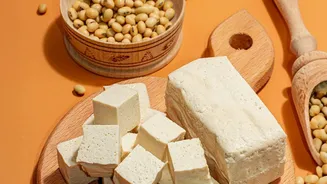
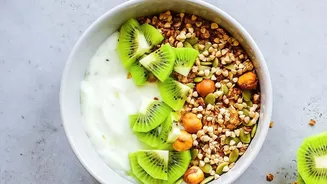
Integrating more protein into your diet can start with simple swaps. Instead of a biscuit with your evening tea, try a handful of peanuts or roasted makhana. At breakfast, two boiled eggs can provide around 12 grams of high-quality protein. For vegetarians, paneer and soya chunks are excellent options; 100 grams of paneer offers about 18 grams of protein. You can easily add scrambled paneer (bhurji) or soya chunks to pulao for a quick and satisfying meal. Another effortless addition is Greek yogurt or strained dahi, which has nearly double the protein of regular curd and can be used as a base for smoothies or a quick snack with fruit. Sprouted moong salad, or chana chaat, also requires minimal cooking and is perfect for a packed lunch.
The Role of Ready-to-Go Protein
In recent years, the market has responded to the need for ultimate convenience with products like protein bars, powders, and ready-to-drink shakes. These can be incredibly useful for filling nutritional gaps, especially on particularly hectic days or after a workout. When choosing these products, it’s important to read the label carefully. Look for bars with a good amount of protein (around 15-20 grams) and fibre, and be mindful of added sugars and unhealthy fats. Protein powders, which can be made from whey, soy, or other plant-based sources, offer versatility and can be quickly blended into a smoothie or even added to your morning oats. These supplements are not meant to replace whole foods but can serve as a practical tool to ensure you hit your daily protein target.