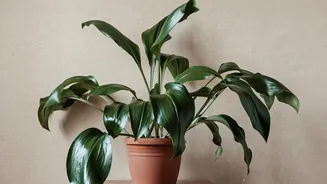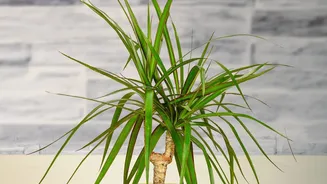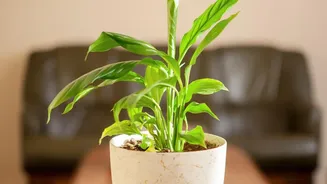







We’ve all seen the lists: ‘Top 10 Plants to Purify Your Home’. They promise that a few pots of greenery can scrub your air clean. But while our homes are lusher than ever, the science behind these claims is more complex than a simple list.
The Myth's Origin: A NASA Study
The belief that
houseplants are nature’s air purifiers stems largely from a landmark 1989 NASA study. Facing the challenge of keeping air breathable in sealed space stations, researchers placed common houseplants in small, airtight chambers and injected pollutants like benzene and formaldehyde. The results were promising: plants like the peace lily and spider plant successfully removed a significant percentage of these volatile organic compounds (VOCs) from the sealed environment. For instance, spider plants were shown to remove 95% of formaldehyde within 24 hours under these lab conditions. This exciting finding was simple, shareable, and quickly grew into the popular wisdom that filling our homes with these plants would create personal clean-air domes.
The Real-World Problem: Scale and Ventilation
The issue is that your living room is not a sealed space capsule. Later analysis by scientists, including a comprehensive 2019 review, revealed a major flaw in applying NASA's findings to the average home. Our homes and offices have much higher air exchange rates due to windows, doors, and ventilation systems. This natural airflow dilutes pollutants far more quickly and effectively than a few potted plants ever could. Researchers at Drexel University calculated that to achieve the same air-cleaning rate as a building’s standard ventilation system, you would need a staggering number of plants—somewhere between 10 and 1,000 plants per square meter of floor space. To put that in perspective, a typical 1,500-square-foot home might need around 680 plants to make a meaningful difference. That’s not a living room; it’s a jungle.
What Are VOCs, Anyway?
Volatile organic compounds, or VOCs, are gases emitted from thousands of everyday products. That 'new paint' smell or the scent from a strong cleaning spray is often from VOCs. They are released by paints, varnishes, aerosol sprays, air fresheners, furniture made of pressed wood, and even dry-cleaned clothing. Common VOCs found indoors include formaldehyde, benzene, and toluene. While high concentrations can cause health issues like eye irritation, headaches, and nausea, the levels in most homes are typically low but consistently higher than outdoors. Because sources are so varied, managing them is more about ventilation and source control than anything else.
The Real, Proven Benefits of Indoor Plants
Just because they aren't miracle air purifiers doesn't mean indoor plants are useless. Far from it. Their benefits are real, just primarily psychological, not atmospheric. Multiple studies have shown that interacting with and even just being around indoor plants can significantly reduce stress and anxiety. A 2015 study found that actively caring for a plant lowered physiological stress responses like heart rate and blood pressure more effectively than completing a computer task. Plants in the workplace have been linked to increased productivity, improved focus, and a greater sense of well being. This connection to nature, sometimes called biophilia, helps make our indoor spaces feel calmer, more comfortable, and more restorative.
Better Ways to Actually Clean Your Air
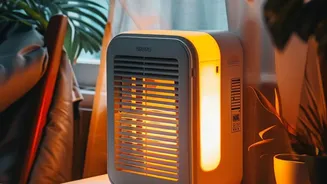
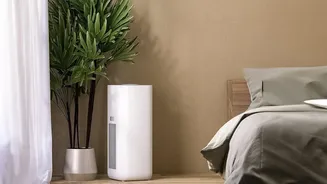
If your primary goal is to improve indoor air quality, there are far more effective methods than buying a few more snake plants. The most effective strategy is source control: reduce the number of products that release VOCs in the first place by choosing low -VOC paints and furnishings. The next best step is ventilation. Simply opening your windows for a few minutes each day can dramatically reduce pollutant concentrations. For targeted, continuous cleaning, use a mechanical air purifier with a HEPA filter, which is designed to capture a wide range of airborne particles, allergens, and pollutants far more efficiently than any plant can.