



Beyond the Vacation Fantasy
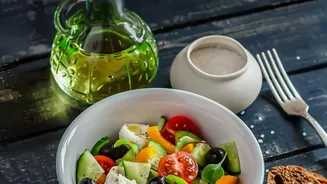
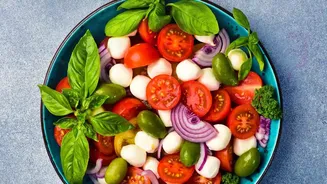
The Mediterranean diet has been named the world's best diet for years, celebrated for its links to heart health and longevity. This popularity has created a romanticized image of expensive meals featuring elaborate seafood platters and perfectly composed
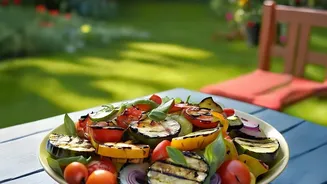
salads. While those are delicious, they don't represent the daily reality for the people living in the region. The true Mediterranean eating pattern is less about specific recipes and more about a foundation of accessible, affordable foods. It’s built on what’s seasonal, local, and readily available, emphasizing simple preparations that let the ingredients shine.
The Real Foundation: Plants, Legumes, and Grains
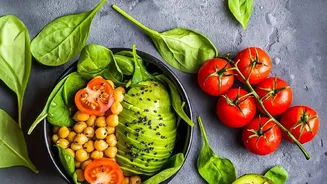
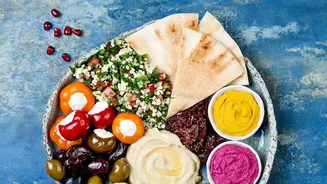
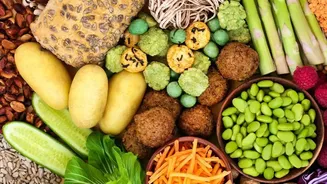
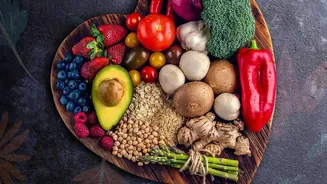
At its core, the Mediterranean way of eating is overwhelmingly plant-based. Every meal is centered around vegetables, fruits, whole grains, and, crucially, legumes. Think hearty lentil soups, chickpeas tossed into salads or mashed into hummus, and beans stewed with tomatoes and herbs. These are not side dishes; they are often the main event, providing filling fiber and plant-based protein. Whole grains like barley, farro, and whole-wheat bread are also fundamental, not forbidden carbs. This focus on inexpensive plant foods is what makes the diet sustainable and budget-friendly.
How Protein Fits Into the Picture
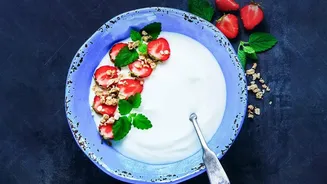
A common myth is that you can't eat meat on a Mediterranean diet. The truth is more nuanced: meat, particularly red meat, is eaten, but it’s treated as a flavoring or a small part of the meal, not the star. You might find small amounts of lamb in a vegetable stew or chicken on occasion. The more frequent animal proteins are fish and seafood, enjoyed about twice a week. Canned fish like sardines and tuna are affordable pantry staples that make this easy to achieve. Eggs and dairy, especially fermented kinds like yogurt and cheese, are also consumed in moderation.
The Essential Role of Good Fats
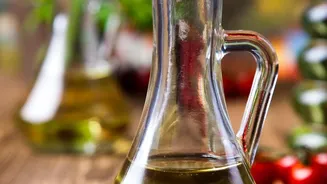
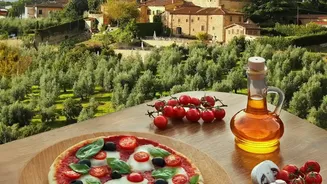
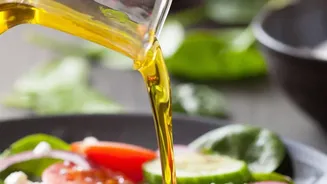
The Mediterranean diet is not a low-fat diet; it’s a diet that celebrates healthy fats. The primary source of fat is extra virgin olive oil, used generously for cooking, dressing salads, and even drizzling over finished dishes. This is supplemented with fats from nuts, seeds, and fatty fish. These fats are crucial for flavor and satiety, and they contribute significantly to the diet's health benefits. Rather than avoiding fat, the focus is on replacing saturated fats like butter with unsaturated ones from plant sources.
More Than Food: A Way of Life
Perhaps the biggest misconception is viewing this as just a list of foods to eat. The word “diet” itself comes from the Greek word diaita, meaning “way of life.” The health benefits are linked not only to the food but also to the lifestyle. This includes regular physical activity, like walking, which is naturally integrated into the day. It also emphasizes the importance of social connection. Meals are often enjoyed slowly with family and friends, which fosters mindfulness and community. This social aspect is considered a key contributor to overall well-being.