





Know Your Limits: Weight and Rules
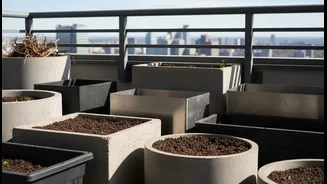
Before buying a single pot, the first step is a reality check. Balconies have weight limits, typically ranging from 40 to 60 pounds per square foot for residential buildings. This may sound like a lot, but the combined weight of heavy terracotta pots,
wet soil, and large plants can add up quickly. It's advisable to use lighter materials like plastic or fibreglass containers. Equally important is checking your building society’s regulations. Some have specific rules about what can be grown or affixed to railings, often to prevent issues with pests or water dripping onto lower floors. A quick check beforehand can save you significant trouble later.
Tame the Elements: Wind and Sun
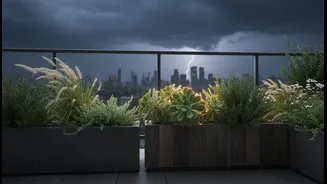
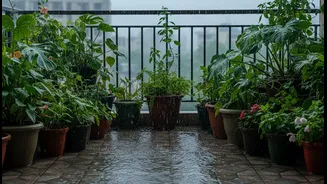
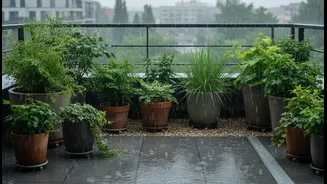
A high-rise balcony is a unique microclimate, often exposed to stronger winds and more intense sunlight than a garden on the ground. Wind can shred leaves, break stems, and rapidly dry out soil. Consider creating a windbreak using sturdy plants like ornamental grasses or by installing a transparent screen. Similarly, observe your balcony's sun patterns. A south-facing balcony in India gets harsh, all-day sun, perfect for tough bloomers like bougainvillea and hibiscus. An east-facing one receives gentle morning light ideal for herbs, while a north-facing one is better for shade-lovers like snake plants and ferns. During intense summer heatwaves, even sun-loving plants may need temporary shade from a net or sheet.
The Right Foundation: Containers and Drainage
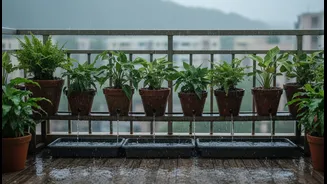
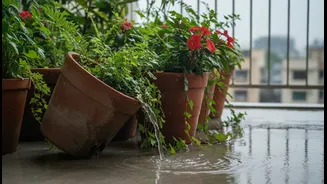
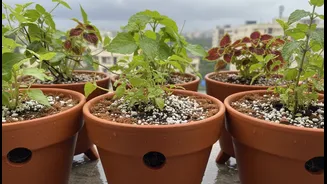
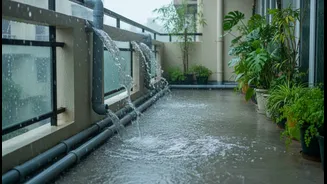
Choosing a container is a structural decision, not just a style choice. The material impacts weight, water retention, and durability. Terracotta pots are porous and dry out fast, while plastic and fibreglass are lightweight and retain moisture longer. Regardless of the material, drainage is non-negotiable. Ensure every pot has drainage holes to let excess water escape, preventing root rot. For balconies where runoff can be an issue, placing pots on saucers or using planters with built-in drainage trays is essential. Elevating pots even slightly on feet allows air to circulate underneath and water to drain freely, a simple trick that dramatically improves plant health.
Build a Lighter Base: The Soil Mix
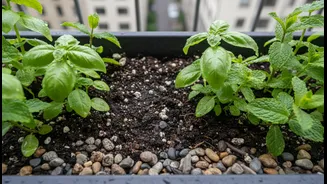
Regular garden soil is far too heavy and compacts easily in pots, choking roots. For high-rise gardens, a lightweight, well-draining potting mix is critical. These mixes are specially formulated for container gardening and often contain components like peat moss, coco coir, perlite, or vermiculite. These ingredients help retain moisture without becoming waterlogged, provide aeration for roots, and significantly reduce the overall weight of your planters. You can buy pre-made rooftop or container mixes or create your own. Using a lightweight mix allows you to have larger planters without exceeding your balcony's load capacity.
Now the Styling: Choosing Hardy Plants
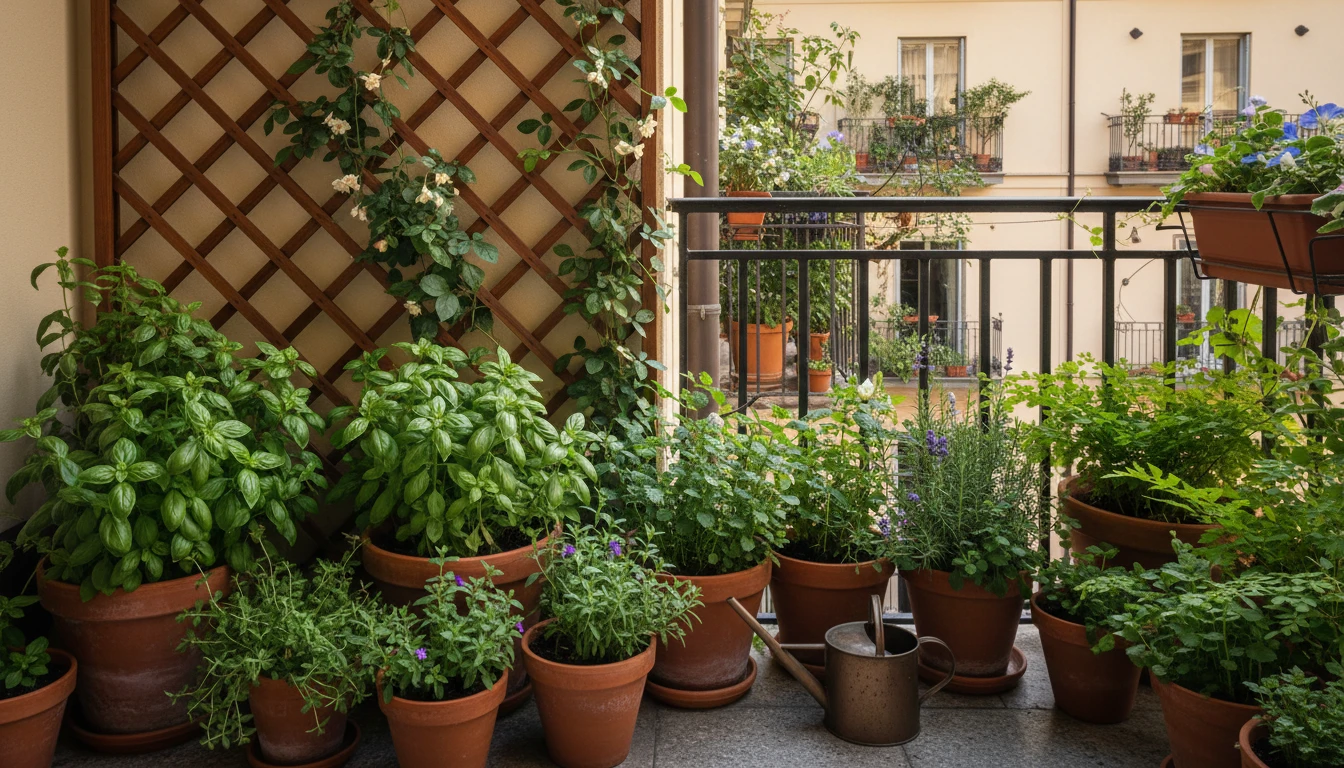
Once you have the structure in place, you can finally think about styling. The best approach is to choose plants that are well-suited to the conditions you've planned for. For sunny, hot, and windy balconies in India, hardy and low-maintenance options are your best friends. Drought-tolerant succulents like Aloe Vera and Jade Plant thrive on neglect. Flowering plants like Marigold (Genda), Hibiscus, and Bougainvillea provide vibrant colour and handle the sun well. For herbs, Tulsi and Mint are excellent choices for pots. Air-purifying plants like the Snake Plant and Money Plant are incredibly resilient and suitable for areas with less direct sunlight.