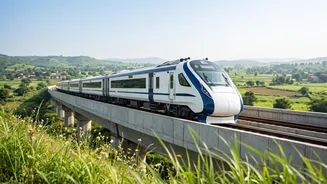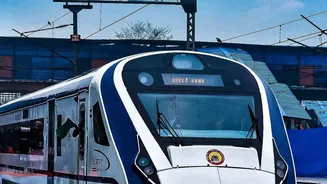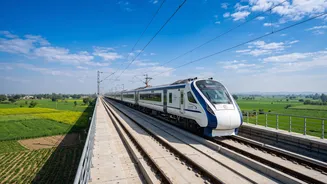





The Journey, Redefined
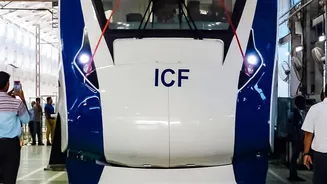
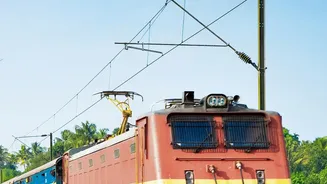
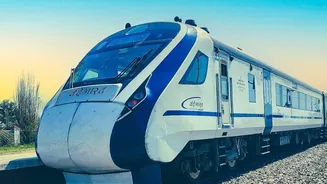
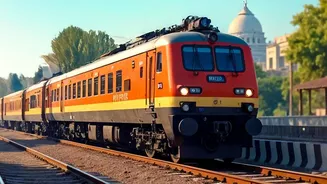
Until recently, the journey between New Delhi and Varanasi was a lengthy affair, often taking 12 to 14 hours by train. The introduction of the Vande Bharat Express has fundamentally altered this reality. The semi-high-speed train slashes the travel time
to just eight hours, making the trip faster, more comfortable, and significantly more efficient. Decked out with modern amenities, GPS-based information systems, and an emphasis on passenger comfort, it represents a generational leap in Indian Railways' service offerings. The demand for this connection was so high that a second Vande Bharat service was introduced on the same route, underscoring its immense popularity and utility for travellers. This isn't just about getting from point A to B faster; it's about redefining the entire experience of travelling between two of India's most significant cities.
A Boost for Tourism and Pilgrimage
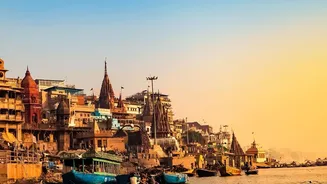
Varanasi has always been a magnet for pilgrims and tourists, both domestic and international. The Vande Bharat Express has amplified this pull, making the city more accessible than ever. The reduced travel time turns a long-haul trip into a manageable overnight or weekend journey from the Delhi-NCR region. Travel and trade associations have reported a significant uptick in tourist traffic, with estimates suggesting a 25-30% increase in movement on routes served by the new trains. For pilgrims, this means a more comfortable and less arduous journey to the holy city. For leisure and international tourists, who often fly into Delhi, it provides a seamless and modern link to one of India's most vital cultural destinations, integrating Varanasi more firmly into the mainstream tourist circuit.
The Economic Ripple Effect
The arrival of thousands of additional tourists each week creates a powerful economic ripple effect. The entire local economy, from hotels and guesthouses to restaurants, tour guides, and local taxi services, stands to benefit. This increased connectivity also coincides with major infrastructure upgrades within Varanasi itself, most notably the Kashi Vishwanath Corridor project, which has already beautified and decongested the area around the main temple. The Vande Bharat acts as a high-capacity channel, feeding a steady stream of visitors into a city that is actively preparing for them. This synergy of improved access and enhanced local infrastructure is crucial for translating higher footfall into sustainable economic growth for artisans, shopkeepers, and the wider community.
Connecting Culture, Commerce, and Governance
The train does more than move people; it forges a stronger bond between India's political capital and its spiritual soul. By making Varanasi a quick trip from Delhi, the Vande Bharat facilitates a more fluid exchange between governance, commerce, and culture. It becomes easier for policymakers, business leaders, and artists to travel, fostering collaboration and investment. This enhanced connectivity elevates Varanasi's status, not just as a heritage site to be preserved, but as a dynamic, living city with a crucial role in the national narrative. The train itself becomes a symbol of a modernising India that values its ancient heritage and is investing strategically to bring it closer to the centres of contemporary power and influence.
The Challenges of Rapid Growth
While the benefits are clear, this rapid influx of visitors also presents challenges. The foremost concern is the strain on Varanasi's existing infrastructure. As one of the world's oldest continuously inhabited cities, its ancient lanes and ghats were not designed for the modern pressures of mass tourism. There is a tangible risk of 'over-tourism', which could lead to overcrowding, place stress on civic amenities like water and sanitation, and potentially dilute the authentic spiritual and cultural experience that draws people to the city. Balancing the economic opportunities of increased tourism with the critical need to preserve Varanasi's unique character and heritage will be the key challenge for city planners and administrators in the years to come.