




The Vanishing Sanctuary
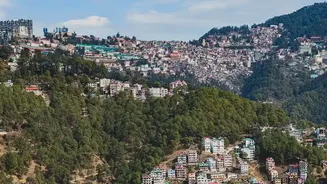
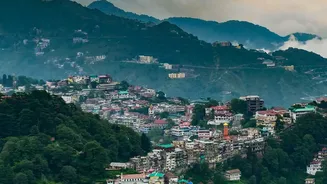
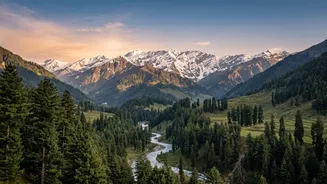
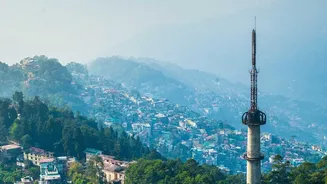
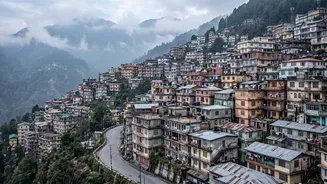
Shimla, Manali, Mussoorie, Nainital — names that once evoked images of misty mountains, pine-scented air, and quiet retreats are now synonymous with peak-season chaos. Instead of peaceful walks, tourists and locals alike navigate streets choked with traffic
and crowds. Recent reports from the summer of 2026 painted a grim picture: traffic jams stretching for hours, hotel occupancy at nearly 100 percent, and towns bursting at the seams. Shimla, originally designed for a population of 25,000, now reportedly grapples with a population of over 800,000 at times, placing an unimaginable strain on its colonial-era infrastructure. The very charm that draws millions—the promise of escaping the heat and hustle of the plains—is being eroded by the sheer volume of people seeking it.
A Perfect Storm of Popularity
Several factors have converged to create this crisis of overtourism. A post-pandemic boom in domestic travel saw people flocking to accessible destinations. Rising incomes, improved road connectivity, and the pervasive influence of social media have turned once-seasonal spots into year-round hotspots. A heatwave across the plains can now trigger a mass exodus to the hills, with hospitality chains reporting booking surges of over 75 percent. The trend of spontaneous travel is also a major contributor, with nearly half of all trips being booked within three days of departure, making it difficult for local authorities to plan or manage the influx. The result is that towns are regularly forced to handle visitor numbers far exceeding their carrying capacity, a term describing the maximum population an environment can sustain.
The Unseen Environmental Toll
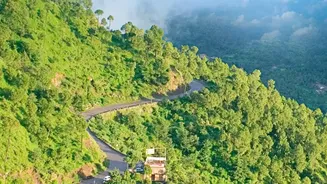
Beyond the visible chaos, a deeper ecological crisis is unfolding. The massive tourist footfall places extreme pressure on fragile Himalayan ecosystems. Water, a precious resource in the mountains, is often the first casualty. Cities like Shimla and Leh have faced severe water shortages, with water being diverted to serve the needs of hotels, often at the expense of local residents. Waste management is another critical issue. Hill stations are struggling to cope with the thousands of tonnes of waste, much of it plastic, generated by tourism. Furthermore, the demand for more hotels and homestays has led to rampant, often unregulated, construction. This clearing of forests and modification of natural slopes not only destroys biodiversity but also dramatically increases the risk of landslides and flash floods in these geologically sensitive zones.
The Search for Sustainable Solutions
Recognizing the looming crisis, governments and courts have begun to intervene. The "latest development" is a growing consensus that the current model is unsustainable. High courts have started to take a stricter stance, with the Madras High Court ordering prosecution for officials who permit illegal construction in hill stations. In Uttarakhand, illegal construction on steep slopes in Mussoorie is under judicial scrutiny due to earthquake risks. There is also a push to promote lesser-known destinations to distribute the tourist load. Experts and policymakers are increasingly looking towards models like Bhutan's 'high-value, low-impact' tourism, which uses sustainable development fees and visitor caps to protect the environment. The idea of creating master plans that unify tourism, water, and waste management based on a region's carrying capacity is gaining traction as a necessary step.